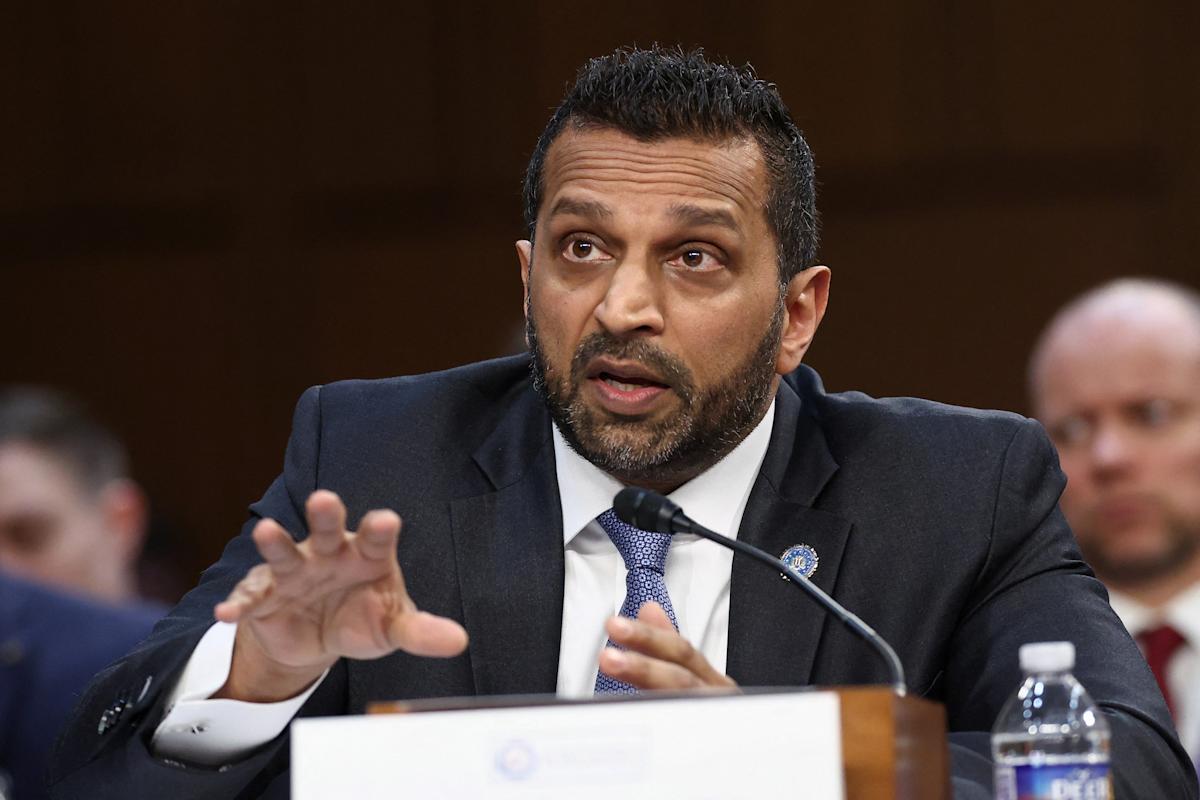
FBI Director Kash Patel confirmed during a Senate Intelligence Committee hearing that the agency purchases location data from commercial vendors. This practice allows investigators to track individuals without obtaining a judicial warrant for their movements. The admission highlights a significant shift in how law enforcement accesses private information in the modern digital age.
According to Patel, the agency acquires commercially available information deemed consistent with the Constitution and the Electronic Communications Privacy Act. He stated that these purchases have yielded valuable intelligence for federal investigations into criminal activities. This approach bypasses traditional legal hurdles associated with cell site location information obtained from carriers.
Legal precedent established in the 2018 Carpenter v United States ruling requires law enforcement to secure a warrant before accessing historical cell phone location data. The Supreme Court determined that such data reveals intimate details of a person's life and cannot be shared without probable cause. Consequently, the government must generally seek judicial approval to compel service providers to share these records under strict conditions.
Critics argue that purchasing data from third-party brokers constitutes an end run around these constitutional protections established by courts. Senator Ron Wyden described the practice as particularly dangerous given the capabilities of modern artificial intelligence systems. He noted that AI systems can comb through massive amounts of private information collected by data brokers to find patterns.
Wyden emphasized that doing this without a warrant undermines Fourth Amendment rights regarding protection against unreasonable searches and seizures. Several lawmakers are currently pushing for an overhaul of when and how the government obtains citizen data to ensure accountability. They argue existing regulations fail to address the scale of modern data aggregation and the speed at which it moves.
The confirmation comes amidst broader scrutiny of government surveillance practices across multiple federal departments in Washington. The Department of Homeland Security faces litigation regarding illegal tracking of immigration raid protestors in recent months. Meanwhile, the Pentagon labeled Anthropic as a supply-chain risk after the AI company refused mass surveillance applications.
Patel has faced previous criticism regarding the use of government resources for personal security arrangements during his tenure. His history includes ordering SWAT protections for family members and attending Olympic hockey events without proper clearance. These incidents add to concerns about his oversight of privacy-sensitive operations within the federal government.
Commercial data brokers aggregate information from various public and private sources to create detailed profiles of individuals. This information often includes historical location data that can reveal patterns of movement and association through WiFi signals and mobile apps. Law enforcement agencies utilize these datasets to identify suspects or establish alibis without direct oversight or public notification.
The reliance on commercial data raises questions about the transparency of the intelligence gathering process and the scope of oversight. Public awareness of how much information is sold to government agencies remains limited across the general population. Privacy advocates warn that the lack of judicial oversight creates a significant gap in civil liberties protections for ordinary citizens.
Future legislation may attempt to close loopholes regarding commercial data acquisition for law enforcement purposes within the United States. Tech companies and privacy groups will likely monitor how the FBI utilizes these purchased datasets to ensure compliance with new statutes. The outcome of these debates will shape the balance between national security and individual privacy rights for decades.