Shares of Dell Technologies climbed in early trading on Friday following specific legal developments at a primary competitor in the server market. United States prosecutors have charged a cofounder of Super Micro Computer with allegedly illegally smuggling artificial intelligence chips to China. This development marks a significant disruption for the server manufacturer and creates immediate volatility in the technology hardware sector.
The stock market reaction was swift, with Dell shares moving higher while Super Micro Computer stock plunged on the news. Investors appear to interpret the federal allegations as a competitive advantage for the rival system maker in the current environment. Market analysts suggest that legal scrutiny could hinder Super Micro operations during a critical period for infrastructure build-out.
According to reports from Sherwood News, the charges involve key personnel tied to the distribution of restricted hardware components. The allegations specifically concern the transfer of chips intended for artificial intelligence applications to foreign entities. Such transfers violate current United States export control regulations designed to limit Chinese military advancement capabilities.
Dell, Super Micro, and HP Enterprise represent the core group of known system makers in the global industry sector. These companies sell ready-to-roll rack servers and storage systems required by major hyperscale customers globally to expand capacity. Hyperscalers are currently desperate to build data centers to support the rapid expansion of generative AI tools.
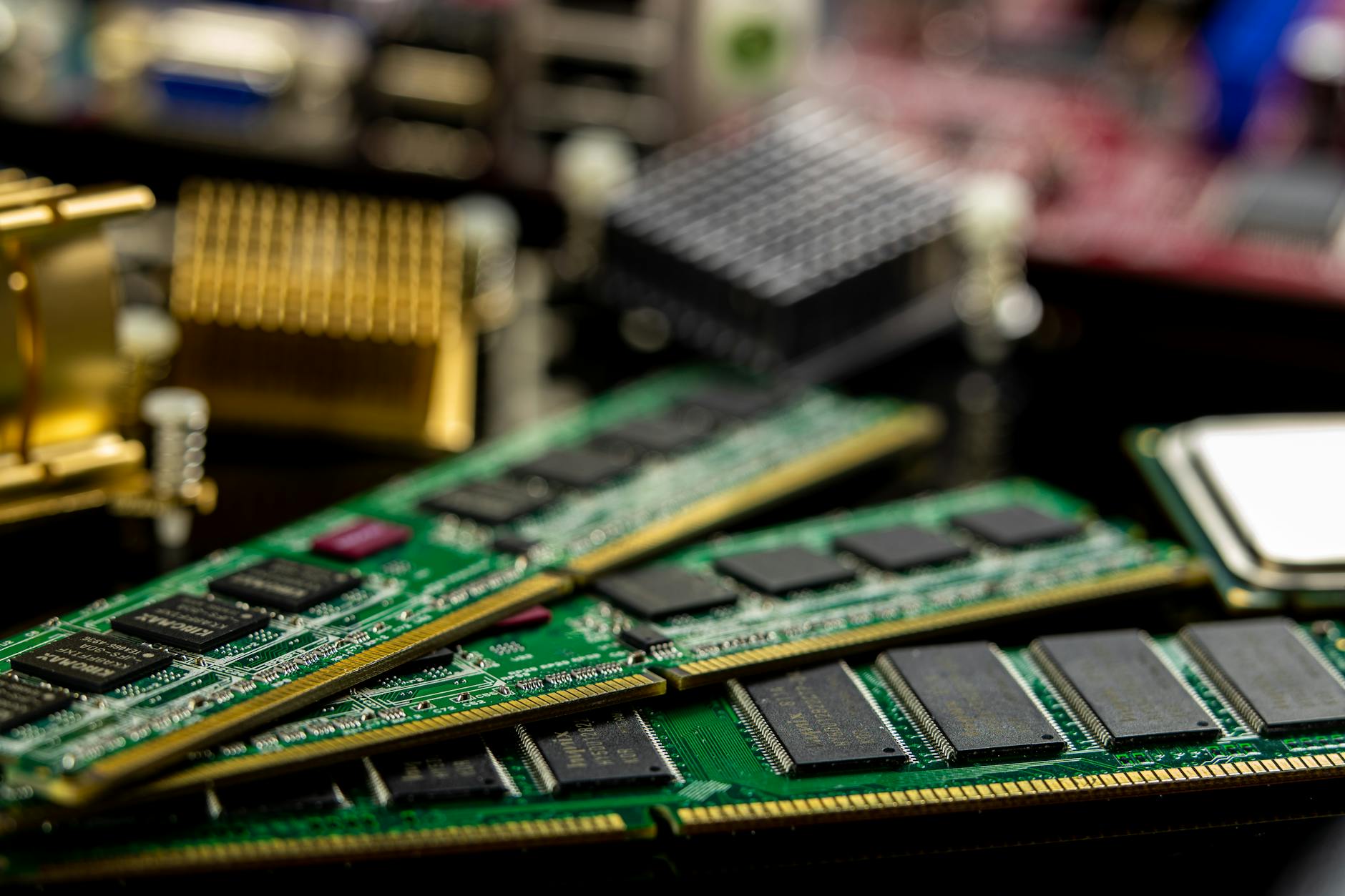
Both Dell and Super Micro sell systems built around Nvidia graphics processing units or GPUs for high performance computing tasks. The US government allegations against Super Micro personnel could jeopardize the company access to Nvidia products entirely. Restrictions on supply could force data center operators to pivot toward alternative vendors immediately to maintain uptime.
This situation provides Dell with a potential leg up in the crucial AI-related server market for business clients. If Super Micro faces supply constraints, Dell positions itself as the more stable supplier for enterprise contracts. Competitors often struggle to maintain inventory levels when regulatory hurdles increase significantly in the supply chain.
The incident highlights the growing friction between United States technology security and global supply chain logistics. Similar restrictions have previously impacted semiconductor manufacturers and cloud service providers in the region. Regulatory bodies are increasingly scrutinizing the movement of high-performance computing components across borders.
Industry observers note that legal proceedings could take months to resolve without immediate operational changes. However, the uncertainty alone often causes clients to hesitate before signing new contracts with the affected firm. Procurement teams prefer vendors with clear compliance records to avoid secondary regulatory penalties.
What comes next depends on the outcome of the federal investigation and potential plea negotiations between parties. Super Micro management must address investor concerns regarding ongoing supply chain stability and reputation. The market will watch closely for any official statements regarding Nvidia partnership continuity.
Broader implications include a potential consolidation of power among compliant hardware vendors in the region. Geopolitical tensions continue to reshape the economic environment of the semiconductor industry significantly. Future deals may require stricter adherence to export compliance protocols across all sectors.