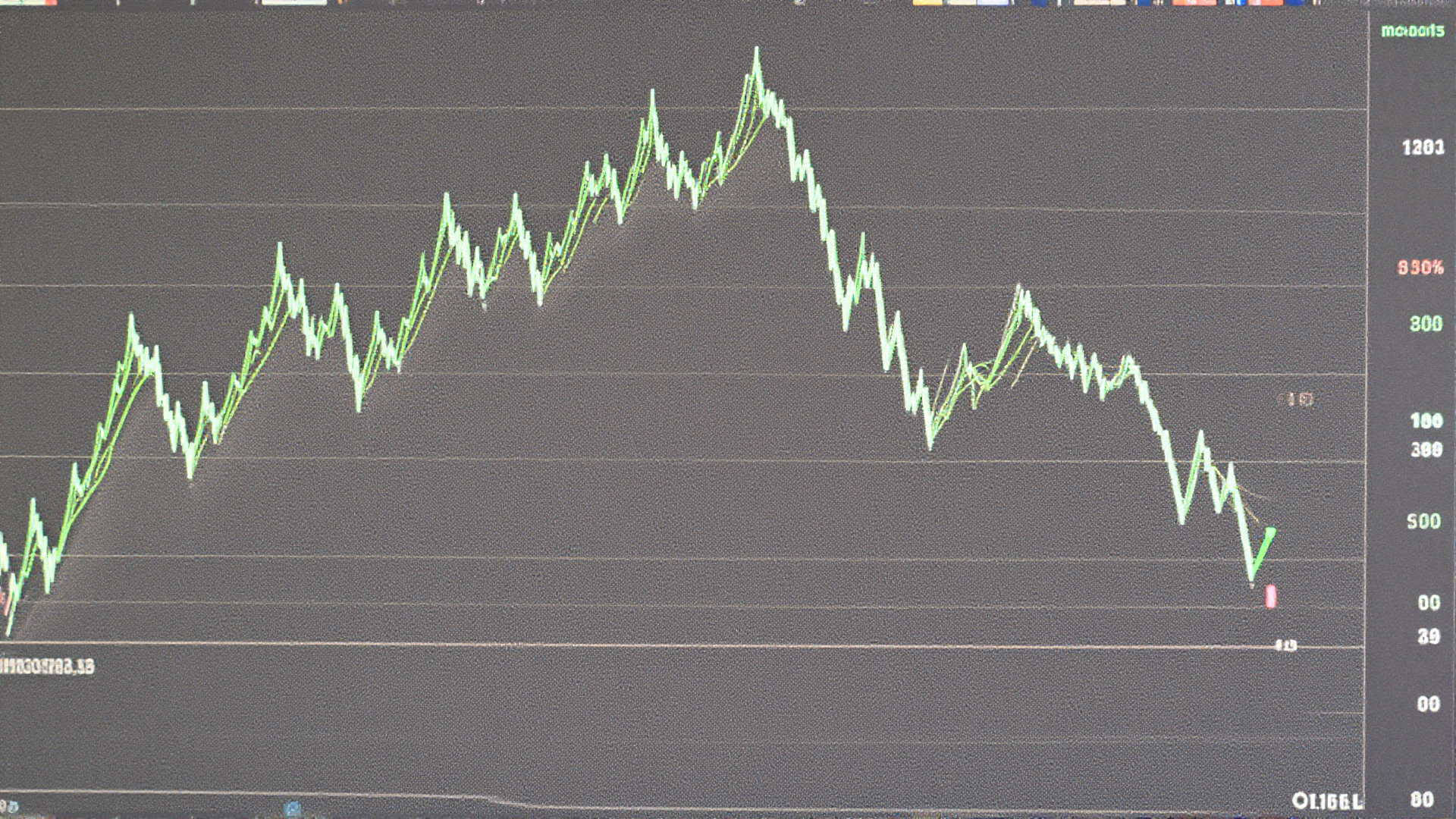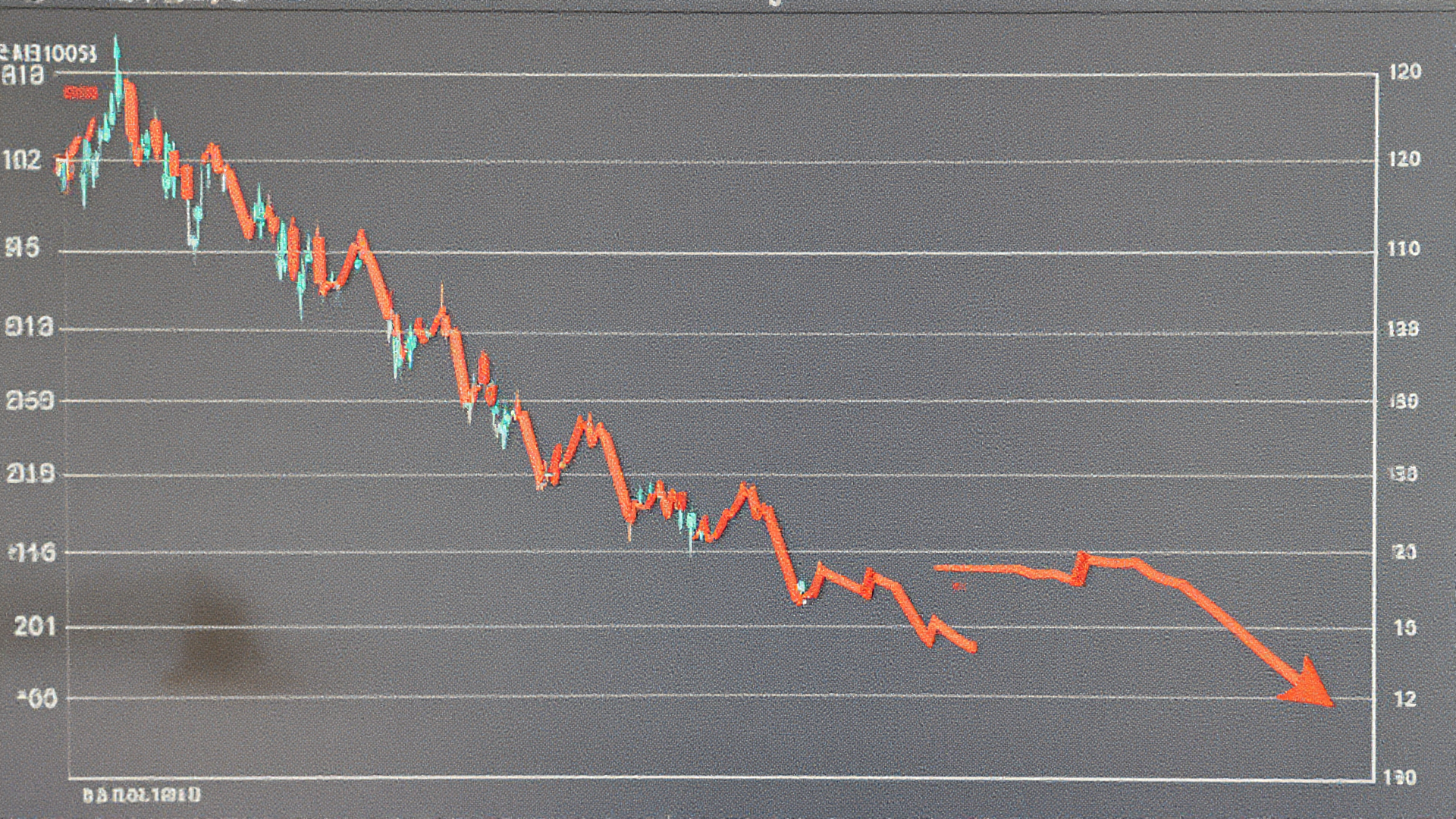
Shares of stablecoin issuer Circle fell sharply on Tuesday following widespread reports of new U.S. legislation targeting financial products. The draft version of the Clarity Act raised immediate concerns regarding strict limits on yield payments for users holding digital assets. Consequently, the stock price tumbled while Coinbase also saw significant value erosion during the active trading session. The market reaction highlighted the sensitivity of crypto-related equities to regulatory developments in Washington.
Circle shares dropped by 20%, erasing a weeks-long rally that previously delivered gains exceeding 100% for investors. Coinbase, which shares revenue generated from the stablecoin ecosystem, declined nearly 10% in correlation with the broader sector. This volatility occurred after the stock had gained 170% since early February, making it vulnerable to negative sentiment. The sudden reversal underscores the fragility of recent gains amidst regulatory uncertainty.
The primary catalyst behind the market movement is the latest iteration of the Clarity Act reported by CoinDesk on Tuesday. Regulators appear to target restrictions on offering rewards on stablecoin balances held by retail or institutional investors. Analysts note this could ban anything economically equivalent to interest on passive holdings within the platform infrastructure. Such measures aim to prevent stablecoins from functioning as unregulated money market funds.
Dan Dolev, an analyst at Mizuho, stated the legislation could potentially ban yield payments for simply holding a stablecoin asset. He argued this approach restricts any method making the program equivalent to a traditional bank deposit under current law. The analyst warned that a potential ban could reduce the use case for Circle in the near-term significantly. This restriction fundamentally alters the value proposition for holding USDC.
Shay Boloor, chief market strategist at Futurum Equities, highlighted that stablecoin yield is a major pitch to investors currently. He argued that removing this incentive makes it harder for tokens like USDC to evolve beyond simple payment utilities. Boloor stated this weakens a key part of the bull case for the digital asset class moving forward. Without yield, adoption rates may stagnate among passive holders.
The GENIUS Act previously banned issuers from paying yield directly, yet companies found ways to pass through income earned on reserves. Circle collects interest on USDC backing assets and shares it with Coinbase to fund user rewards for retention. The latest draft targets this structure by effectively cutting off a key incentive for holding the currency. This move disrupts the established revenue sharing model between issuers and exchanges.
Amir Hajian, a digital asset researcher at Keyrock, noted that the legislation pulls the rug on the pass-through model driving adoption. He explained that restricting yield payments removes a fundamental economic driver for the ecosystem globally. This shift represents a significant hurdle for stablecoin growth strategies currently in place across the market. Companies must now innovate to maintain user engagement without direct interest payments.
Competitor Tether announced it hired one of the Big Four accounting firms to conduct a full audit of its reserves recently. If successful, this audit could improve USDT image among institutional users by demonstrating stronger risk management practices. Potential shifts in market share could further complicate the environment for Circle following this regulatory news. Tether's transparency efforts contrast with the regulatory uncertainty facing Circle.
Despite the selloff, analysts do not view the situation as an existential crisis for the company or its stock price. Ryan Rasmussen, head of research at Bitwise, suggested investors should see past today short-term headwinds and look ahead. He noted there will be workarounds such as loyalty programs that could replicate similar incentives as yield. Strategic pivots could mitigate the immediate impact of the new regulations.
The stablecoin market remains a major player in a fast-growing sector projected to grow 10x over the next four years. Circle still holds a 30% share of this expanding market despite the recent price correction on Tuesday. Owen Lau of Clear Street indicated the actual situation does not appear as bad as the headline suggests to observers. Long-term fundamentals remain intact despite the temporary market turbulence.