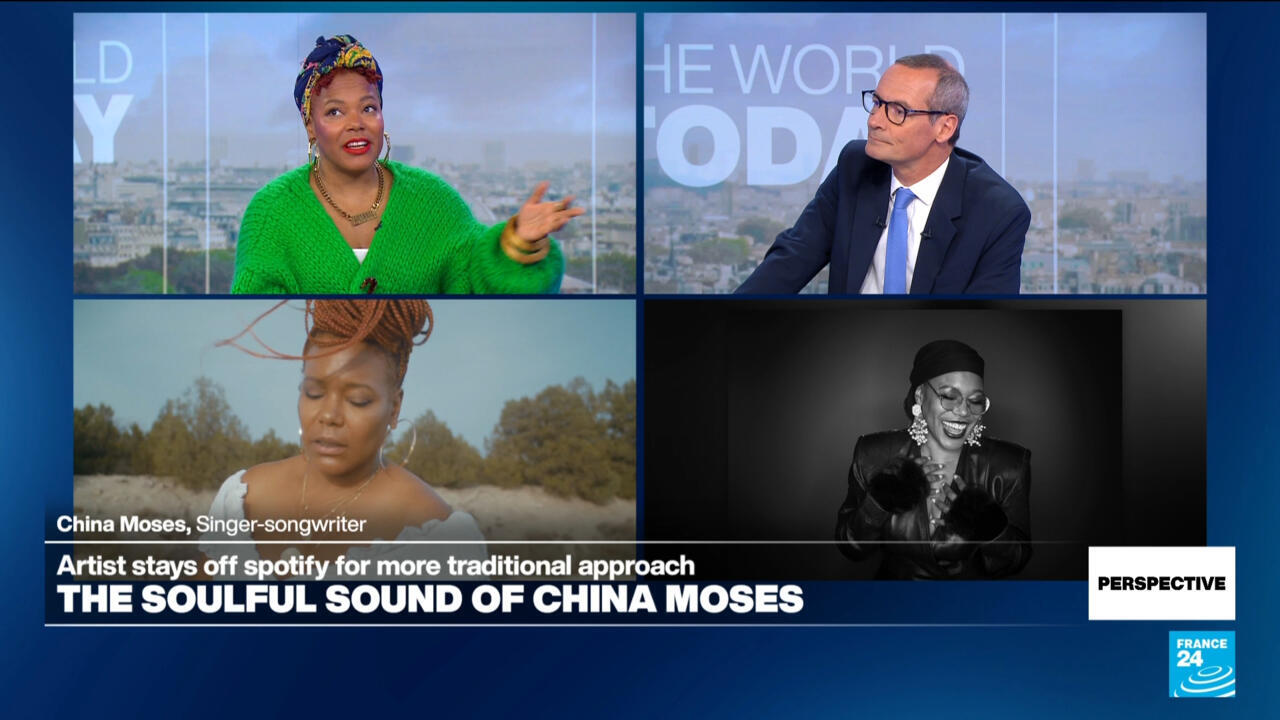
Franco-American jazz and soul singer China Moses has officially removed her music from major streaming platforms. The decision was confirmed on March 30, 2026, by the international publication France 24 in a dedicated interview. Moses explains that the current digital economy fails to compensate creators adequately for their intellectual property.
Her latest album, titled "It's complicated", is currently inaccessible on services like Spotify and Apple Music. She stated that the per-stream payout rates do not align with fair labor value for professional musicians. This move highlights a significant friction point between independent artists and large tech intermediaries.
Industry Context and Economic Impact
Moses is the daughter of renowned jazz singer Dee Dee Bridgewater and filmmaker Gilbert Moses. She has maintained a career focused on artistic control rather than mass market saturation or commercial success. Her choice reflects a strategic shift away from algorithmic distribution models that favor volume over quality.
"I am not on most streaming devices," Moses reportedly said during the interview segment regarding her catalog. She emphasizes the need for alternative distribution channels to ensure financial stability for her artistic output. Direct sales often provide significantly better margins for musicians in the long term compared to streaming royalties.
Global Market Implications
The global music industry relies heavily on subscription revenue models for projected growth and shareholder value, impacting international trade balances. Major streaming services process billions of transactions annually across the world and manage vast data libraries. Critics argue that current per-stream rates remain too low for artist sustainability and investment in new work.
This situation mirrors previous disputes involving major label artists globally regarding royalty structures and contracts. Some musicians have successfully sued for better royalty structures in recent years to secure fair compensation. The trend suggests a potential structural shift in how music is monetized digitally across all regions.
France 24 published the full interview as part of its Perspective series focusing on culture and economics. The outlet focuses on global economic and cultural issues affecting various nations and international markets. Moses provided detailed context on her management strategy and future plans for independent distribution.
Industry analysts predict more artists may follow this path in the near future as contracts expire. Independent revenue streams could become more vital for survival in the increasingly crowded digital age. The tech giants face increasing pressure to reform their payment systems for creators to avoid backlash.
Investors should watch for changes in the digital distribution sector regarding rights and ownership structures within the global economy. Music rights are becoming a key asset class for institutional portfolios seeking stable long-term returns. Regulatory bodies may intervene if complaints from creators continue to increase regarding transparency.
The outcome will influence future negotiations between labels and major platforms regarding revenue sharing. Consumers might see higher prices for direct artist purchases if streaming dominance wanes significantly. The tension between access and ownership will persist within the industry for years to come.