China has banned the sale of new passenger vehicles featuring hidden door handles, establishing the first national regulation targeting the controversial designs popularized by electric vehicle manufacturers. This regulatory action comes as global safety watchdogs increase scrutiny on new energy vehicles (NEVs) following several high-profile incidents involving power failures that reportedly prevented door egress.
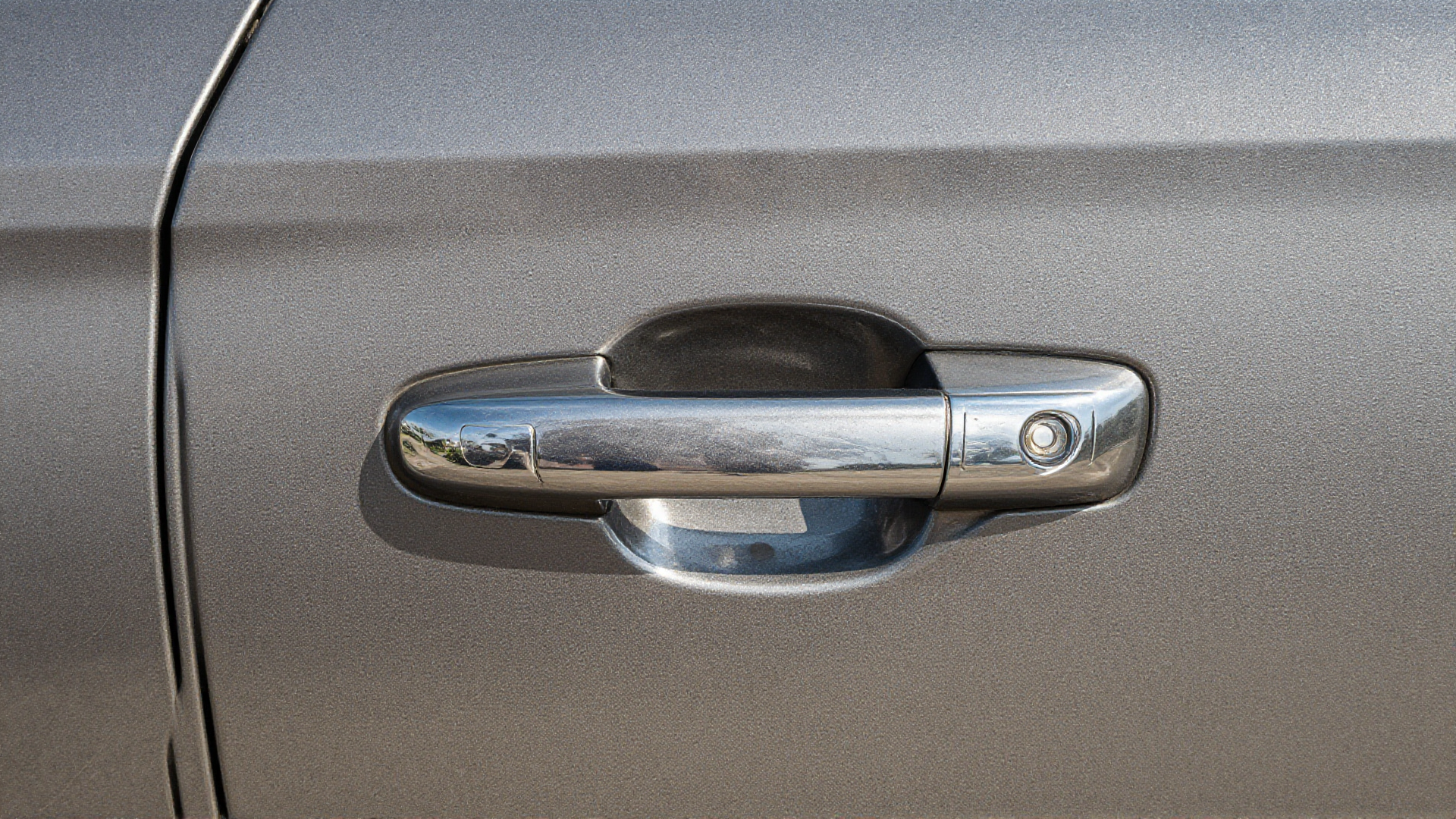
The Ministry of Industry and Information Technology stipulated that all passenger doors, excluding the boot, must possess a mechanical release both internally and externally to comply with the new standards. State media reported that exterior handles must have a recessed access space measuring a minimum of 6cm by 2cm by 2.5cm, while interior mechanisms require clear signage.
These stringent requirements are scheduled to take full effect on January 1, 2027, providing manufacturers a deadline to update their designs for the substantial Chinese market. Vehicles already approved for sale will receive an additional two years to conform to the updated specifications, according to official announcements.
Hidden handles are prevalent in China's NEV sector, which encompasses battery electric, hybrid, and fuel cell vehicles, appearing on approximately 60% of the top 100 best-selling models, government-controlled China Daily noted. This high adoption rate suggests significant compliance costs and retooling for domestic and international automakers operating within the country.
The regulatory shift is poised to exert influence beyond China's borders due to the nation's central role in global automotive supply chains. The move mirrors ongoing investigations into similar designs by safety authorities in other major markets, including the United States and Europe.
Specifically, the US National Highway Traffic Safety Administration (NHTSA) opened an inquiry in November concerning Tesla's electric door handles following multiple complaints about sudden failures. Reports indicated that owners, including those with children trapped inside, sometimes had to resort to breaking windows to exit affected vehicles.
While the immediate impact is confined to models sold in China, the global automotive industry will likely see a standardization toward more conventional, mechanically accessible door systems to streamline production across jurisdictions. This regulatory divergence highlights differing national priorities regarding consumer safety versus aerodynamic design innovation.