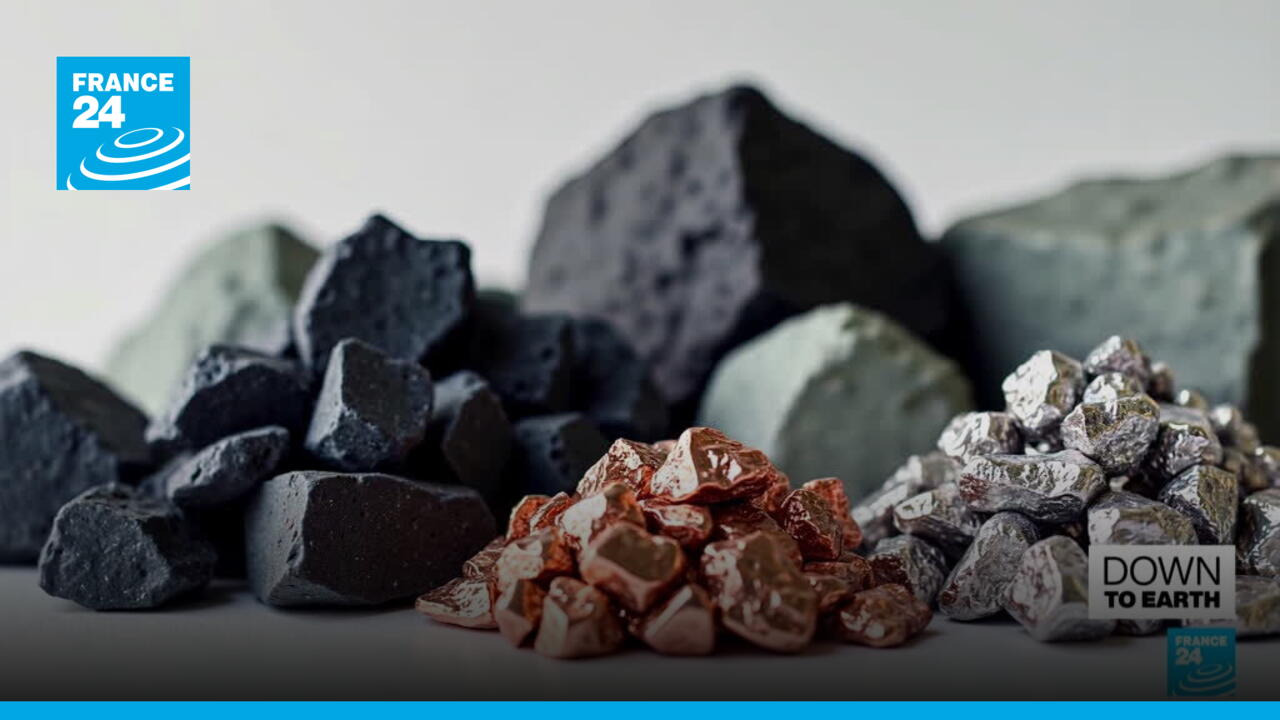
A French-American chemist reported a significant technical advancement in the recycling of rare earth elements, a group of metals vital for defense, automotive, and consumer electronics sectors. The new process specifically demonstrates the feasibility of extracting these high-value materials from discarded neon light bulbs.
This innovation arrives as rare earths constitute a significant geopolitical flashpoint, given that China reportedly controls approximately 95 percent of the world's current supply. This market dominance stems from extensive domestic deposits, lower production costs, and historically less stringent environmental oversight compared to Western nations.
According to reports originating from France 24 on February second, the chemist's method shows promise for scaling up beyond laboratory conditions. The research focuses on developing an economically viable method to treat complex electronic waste streams, which have historically resisted efficient recovery techniques.
Rare earth elements are indispensable components in modern high-tech manufacturing, forming the basis for strong magnets in electric vehicle motors and advanced military guidance systems. Diversifying the sourcing of these materials is a stated long-term strategic goal for the European Union and the United States.
The challenge for widespread adoption lies in proving the process's cost-competitiveness against primary mining operations, even when factoring in environmental externalities. The recovery rate and purity levels achieved through this new chemical separation warrant close scrutiny by industry analysts.
If scalable, this technology could reduce reliance on geographically concentrated supply chains, thereby mitigating risks associated with trade disputes or export restrictions. This development aligns with broader global initiatives promoting the circular economy for critical raw materials.
Further investigation will likely center on applying this recovery technique to other complex electronic waste, such as circuit boards or batteries, to maximize its economic footprint. The success of this recycling pathway could marginally shift global material security dynamics in the coming decade.