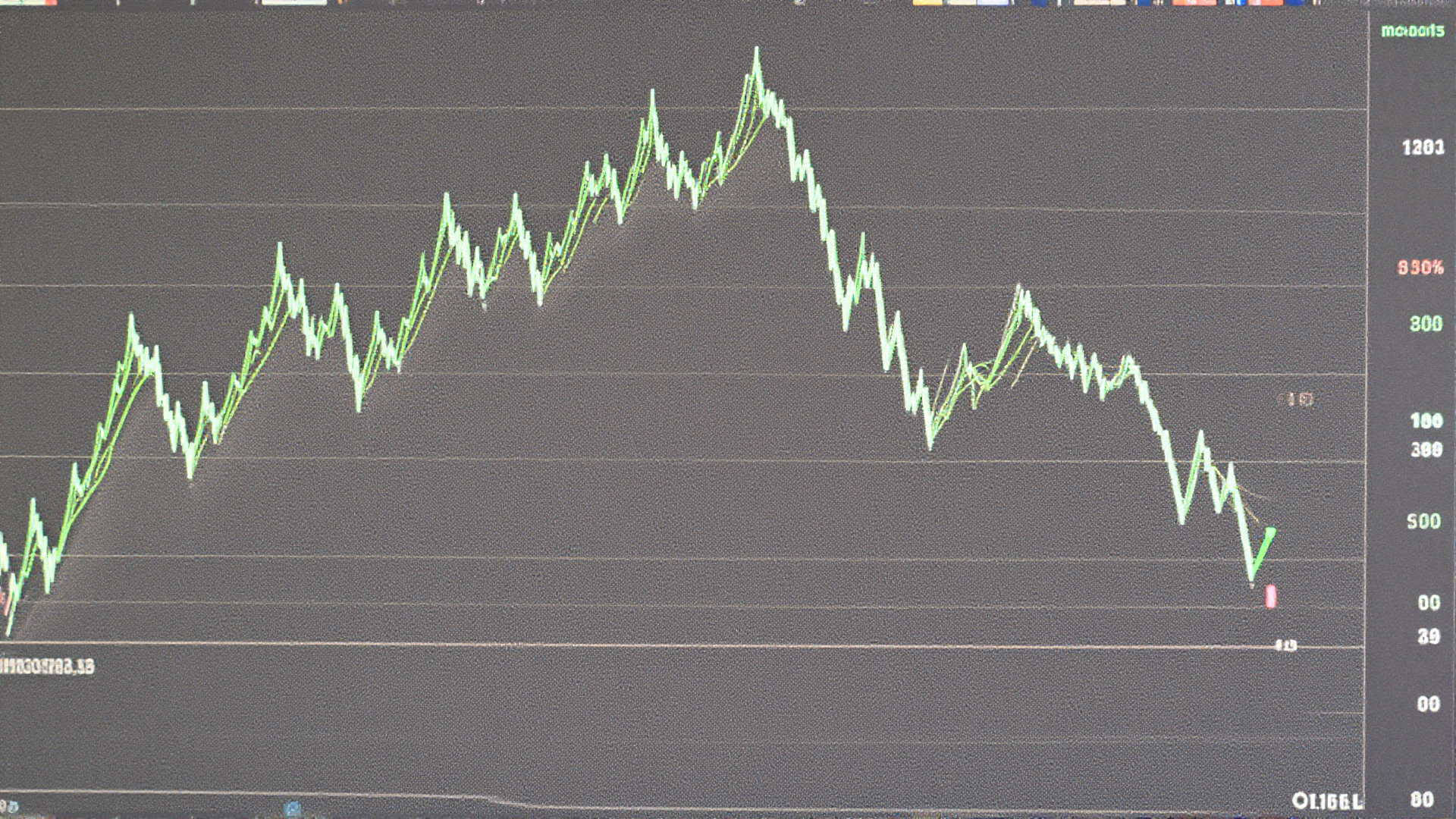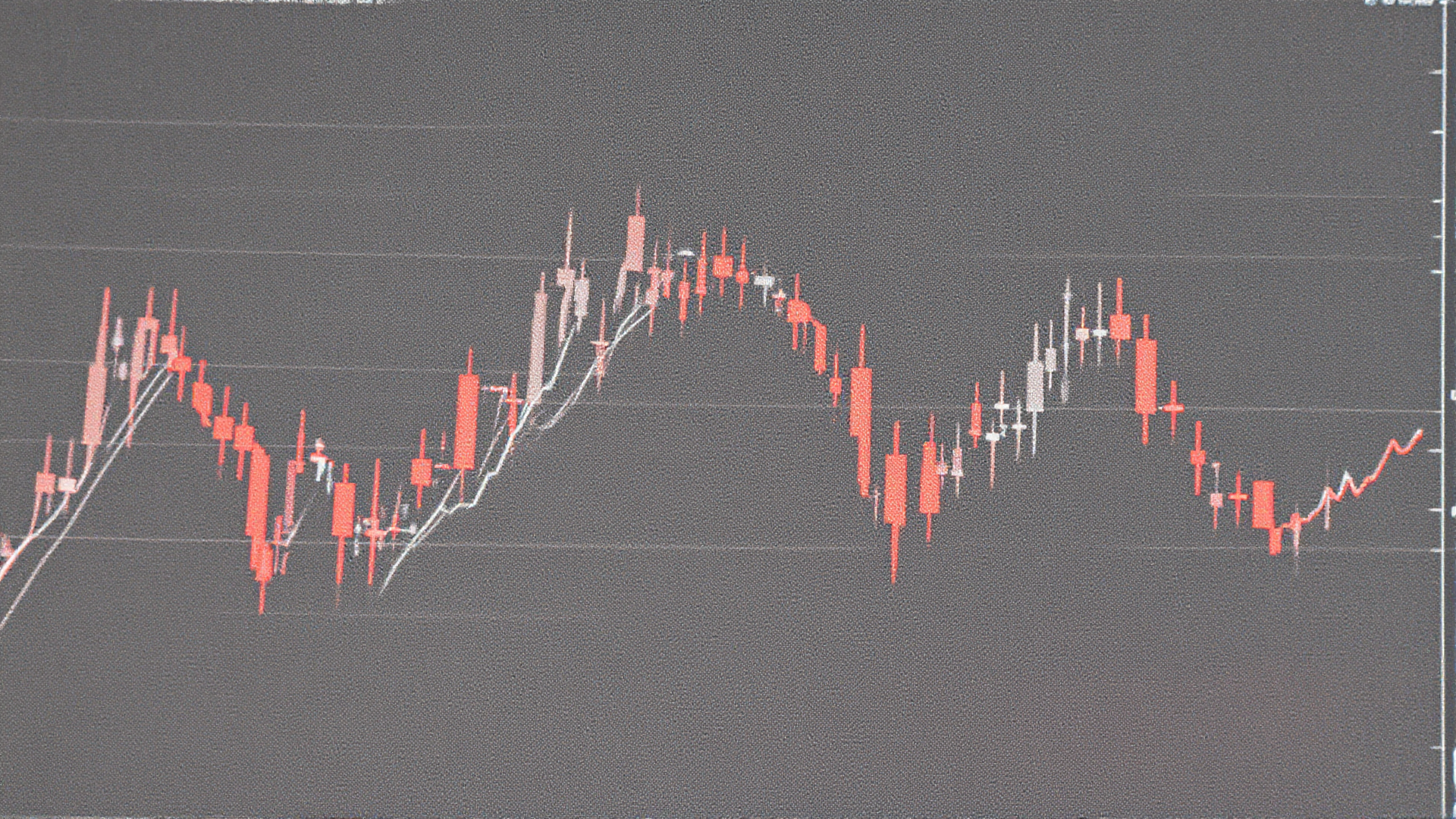
Bitcoin slipped below the $70,000 mark on Tuesday as broader risk-asset weakness weighed heavily on digital currency markets. The leading cryptocurrency retreated to approximately $69,600 during early U.S. trading hours following a loss of key support levels. Stablecoin issuer Circle and cryptocurrency exchange Coinbase led a sharp decline among related equities during the session. This move comes as global macroeconomic conditions shift rapidly away from the dovish stance seen earlier this year.
Ether, Solana, and XRP followed the downward trend, posting losses between two % and three % over the past 24 hours. This price action continues a recurring three-month pattern where gains on Mondays typically reverse on Tuesdays. Velo data indicates Bitcoin has historically risen just over one % on Mondays before falling slightly below one % on subsequent days. The correlation with traditional equities suggests digital assets are no longer acting as an uncorrelated hedge.
The correlation between digital assets and technology equities remained strong as software stocks rolled over significantly. The iShares Expanded Tech-Software Sector ETF dropped about four % during the session as investors rotated out of growth names. This movement mirrors the broader tech sector decline seen since October.
Market participants are now pricing in imminent Federal Reserve interest rate hikes instead of recent rate cut expectations. CME FedWatch data shows a 15% chance of a rate hike at upcoming policy meetings. The shift from debating cuts to anticipating hikes has fueled significant risk-off sentiment across global markets. This reversal represents one of the most remarkable 180-degree turnarounds in recent years.
Regulatory uncertainty also contributed to the sell-off following a draft of the U.S. Clarity Act. The proposed legislation would restrict rewards on passive stablecoin balances and ban structures economically equivalent to interest. This development threatens a key incentive that has fueled adoption for USDC and similar assets.
Circle shares tumbled 16% after recently rallying more than 100% in a single month. Shay Boloor, chief market strategist at Futurum Equities, stated the legislation weakens the bull case for stablecoins. He noted that making USDC harder to evolve into a store-of-value product impacts long-term viability.
Meanwhile, competitor Tether announced it hired a Big Four accounting firm for a complete audit of its reserves. This move aims to improve trust in USDT reserve assets amid tightening regulatory scrutiny. The announcement provided a contrast to the selling pressure facing Circle's stock price.
Global yields continue to climb while the U.S. Dollar Index remains firm above 99. Crude oil prices rose two % over the past 24 hours, reinforcing the broader risk-off tone in commodity and equity markets. The S&P 500 and Nasdaq indexes gave up much of their Monday gains on news regarding U.S. and Iran talks.
Investors will now monitor the June Federal Reserve meeting chaired by Kevin Warsh, who President Trump nominated for the role. The outcome of this meeting could determine the trajectory for borrowing costs throughout the rest of 2026. Regulatory clarity remains a critical factor for the stability of the cryptocurrency sector.
Market volatility suggests caution is warranted as economic data points toward persistent inflationary pressures. Analysts recommend watching the Clarity Act progress through Congress for further legislative impacts. The interplay between macroeconomic policy and digital asset regulation will define the near-term outlook.