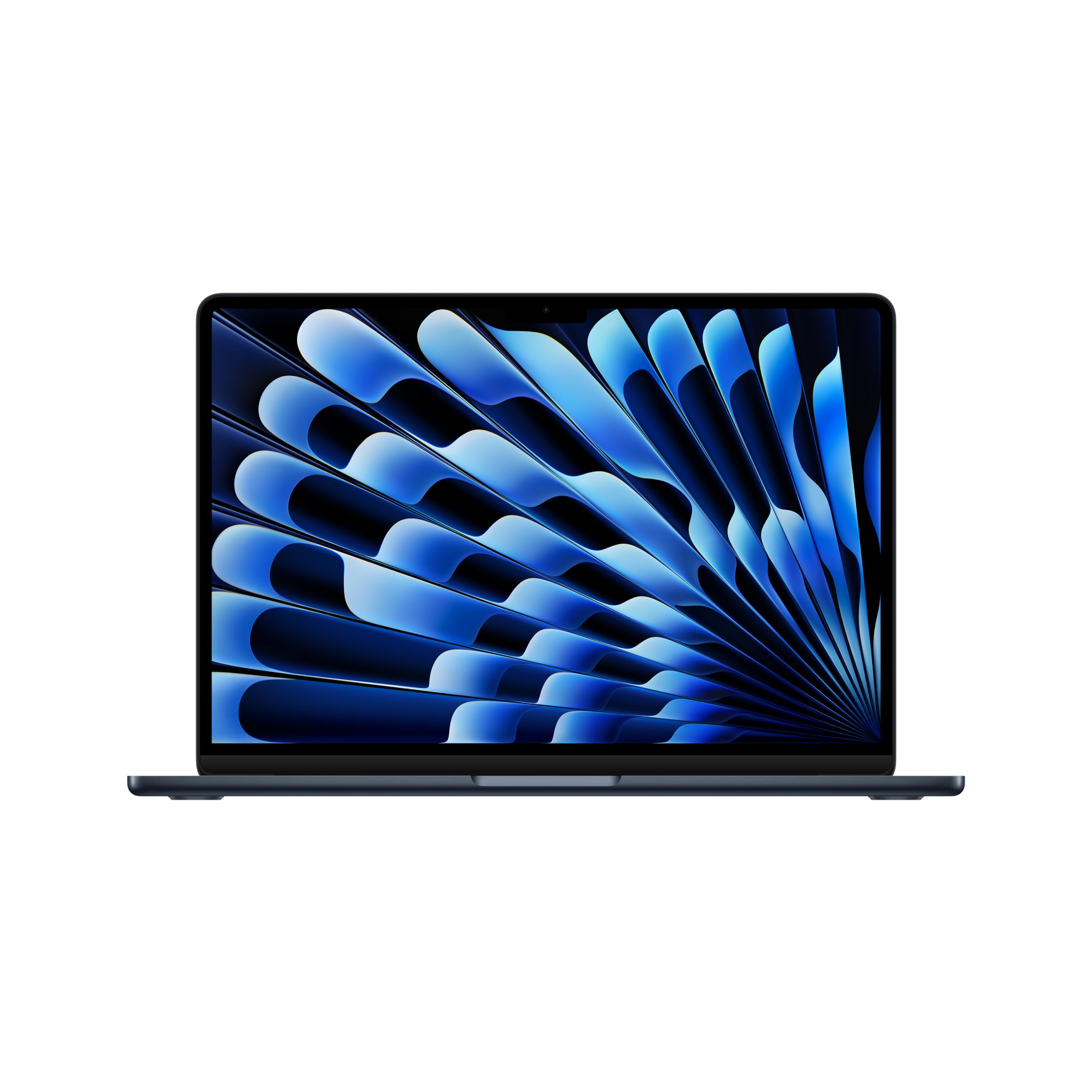
Since the launch of the M1 chip in late 2020, Apple’s proprietary architecture has delivered formidable performance and power efficiency, fundamentally reshaping the personal computer market. As Apple continues to strengthen its vertical integration in hardware manufacturing, its products have demonstrated exceptional cost control and quality stability, even amidst supply chain volatility.
In contrast, the Windows ecosystem has faced significant headwinds in recent years. According to a report by The Register, the frequent pop-ups, forced advertisements, and convoluted settings in Windows 11 have become a major disruption to user productivity. By comparison, macOS offers a cleaner interface with fewer distractions, providing a more quiet and focused environment for work.
The Market Dynamics of a Closed Ecosystem
Apple has long maintained its “walled garden” strategy, retaining absolute control over both hardware and software. While this model limits the flexibility of third-party extensions, the current chaos of the external software environment in the age of AI has turned this exclusivity into a strategic advantage. Users can easily disable unnecessary AI features in macOS, whereas system-level intrusions in the Windows ecosystem are often nearly impossible to fully eradicate.
Industry observers note that there is currently a lack of Windows laptops on the market capable of competing with the MacBook series at a comparable price point. Windows manufacturers are frequently forced to compromise on component selection and build quality to offset rising cost pressures. Meanwhile, pre-installed bloatware continues to drag down consumer perception of Windows devices.
Apple’s leadership in chip manufacturing allows it to strike a balance between product pricing and performance through meticulous yield management. This competitive advantage is reflected not just in technical benchmarks, but in the tangible gap between the Mac and Windows experience. Unless Windows manufacturers can move away from business models reliant on bundled software, Apple’s dominance in the premium laptop market will remain difficult to challenge.