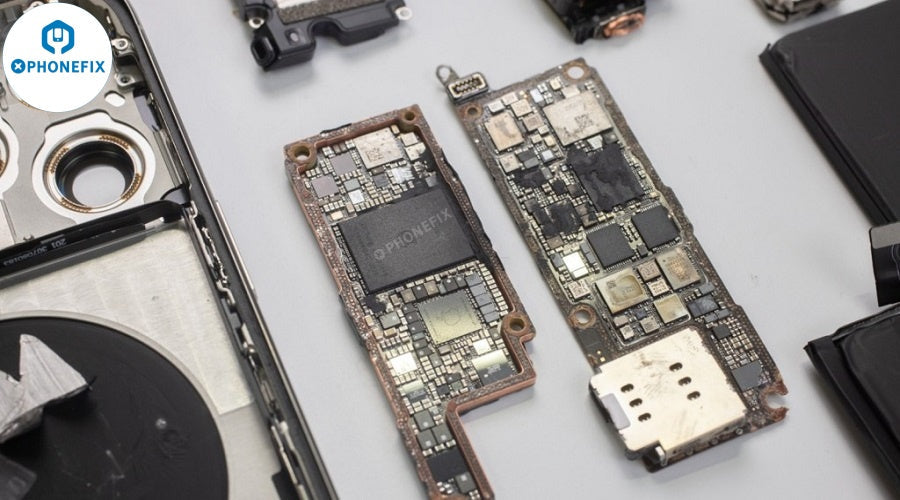
In its latest report, "Failing the Fix," the U.S. Public Interest Research Group (PIRG) Education Fund highlights that Apple and Samsung smartphones fall short when it comes to ease of repair. After evaluating devices based on disassembly difficulty, the quality of repair documentation, the availability and pricing of spare parts, and software update support, Apple landed at the bottom of the list with a D- grade, while Samsung followed closely with a D.
The report draws on standards from the European Product Registry for Energy Labelling (EPREL) and incorporates the French government’s repairability index for electronics. In contrast to the low scores of Apple and Samsung, Motorola topped the rankings with a B+, while Google received a C-.
Repairable Design is Vital for the Environment
Apple also struggled in the laptop category, receiving a C-, while Lenovo didn't fare much better with a C. Asus led the pack with a B+, followed by Acer, while HP and Dell both earned a B-.
Nathan Proctor, senior director of the Right to Repair campaign at the PIRG Education Fund, expressed concern over the findings. He noted that the market is flooded with disposable electronics that frequently end up in landfills.
"Our goal is to ensure people can fix their devices when they break," Proctor said. "This report is designed to help consumers choose products from companies that prioritize repairability and product longevity."
The organization’s investigation found that among the ten brands evaluated, eight are represented by trade associations—such as TechNet and the Consumer Technology Association (CTA)—that have actively lobbied against "Right to Repair" legislation.
Beyond consumer rights, electronic waste has become a major environmental challenge. According to United Nations agencies, global e-waste is being generated five times faster than it is being recycled, making it the fastest-growing waste stream in the United States. PIRG notes that if consumers were able to repair their existing devices rather than replacing them frequently, they could save up to $50 billion annually.