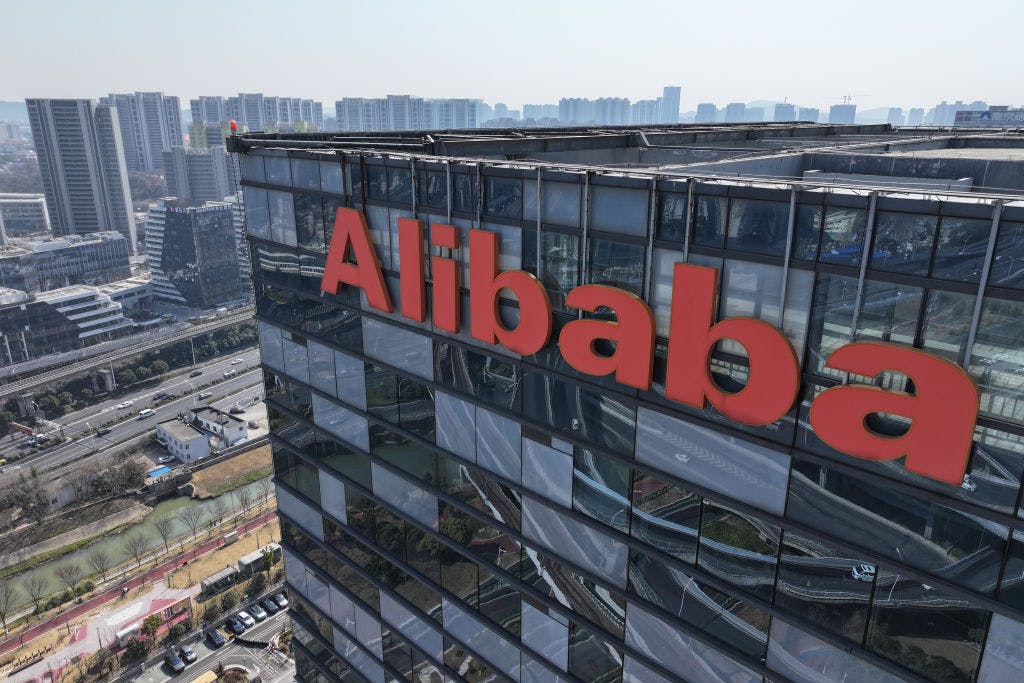
Shares of major Chinese technology firms rose in early trading following announcements regarding artificial intelligence pricing strategies that have drawn significant attention from Wall Street. Alibaba Group and Baidu Inc revealed plans to increase costs for their cloud computing and AI chip services starting this week to improve financial performance. Investors reacted positively to the moves which signal a pivot toward revenue generation over market share expansion in the current fiscal quarter. The market rally occurred amid global economic uncertainty where tech leaders seek to prove profitability to stakeholders.
The pricing adjustments represent significant increases across key product lines within the domestic technology sector over the last few months. Alibaba stated it is hiking the price of its AI chips by up to 34% and raising the cost of cloud storage by 30% to cover operational expenses. Baidu plans on increasing AI cloud product prices by up to 30% according to the company statement released to the public yesterday. These changes affect enterprise clients who rely heavily on the infrastructure provided by these giants. The adjustments are designed to reflect the high value of the computing power now available.
American Depositary Receipts for both companies gained value during the initial trading session on Wall Street amid positive sentiment. Market participants view the price hikes as a validation of the underlying demand for generative AI infrastructure globally despite economic headwinds. This shift demonstrates that tech leaders believe customers will accept higher costs for essential computing power during the fiscal year. Driven by strong institutional buying, the stocks closed higher than the previous day.
Analysts at Bloomberg Intelligence described the strategy as a positive development for the industry as a whole moving forward. Robert Lea and Jasmine Lyu noted the move signals a shift toward monetization rather than price competition in the cloud market. They observed that Baidu’s decision mirrors similar steps taken by other major players in the region recently. Their analysis was published in a recent report available online for subscribers.
The decision to raise prices reflects a broader trend among technology companies in China and the United States regarding artificial intelligence. Firms are now aiming to show that artificial intelligence is not just a technological breakthrough but also a core tool for moneymaking. Raising the price of what you sell remains one of the most basic ways to increase revenue for shareholders. This trend aligns with the broader economic goal of stabilizing margins as the global economy stabilizes.
These actions were reportedly catalyzed by surging demand for agentic AI following the launch of OpenClaw technology. Other entities such as Tencent and Zhipu have also participated in this pricing adjustment wave across the ecosystem. The industry is moving away from subsidized rates that characterized the early adoption phase of cloud services. This change is driven by specific use cases that require substantial computational resources.
Geopolitically, the focus on monetization highlights the maturity of the domestic artificial intelligence market in Asia significantly. Companies can no longer rely solely on state subsidies or venture capital to sustain growth indefinitely in this sector. Profitability becomes a key metric for valuation as international competition intensifies in the semiconductor and cloud sectors. This shift occurs amid ongoing trade tensions that affect the supply chain.
Investors will now watch for sustained adoption rates despite the higher costs for enterprise clients globally. The success of these hikes depends on whether clients perceive sufficient value in the upgraded AI capabilities provided by vendors. Future earnings reports will provide clarity on the impact of these pricing strategies on overall margins for the fiscal year. Performance will be measured across multiple product lines in the coming quarters.