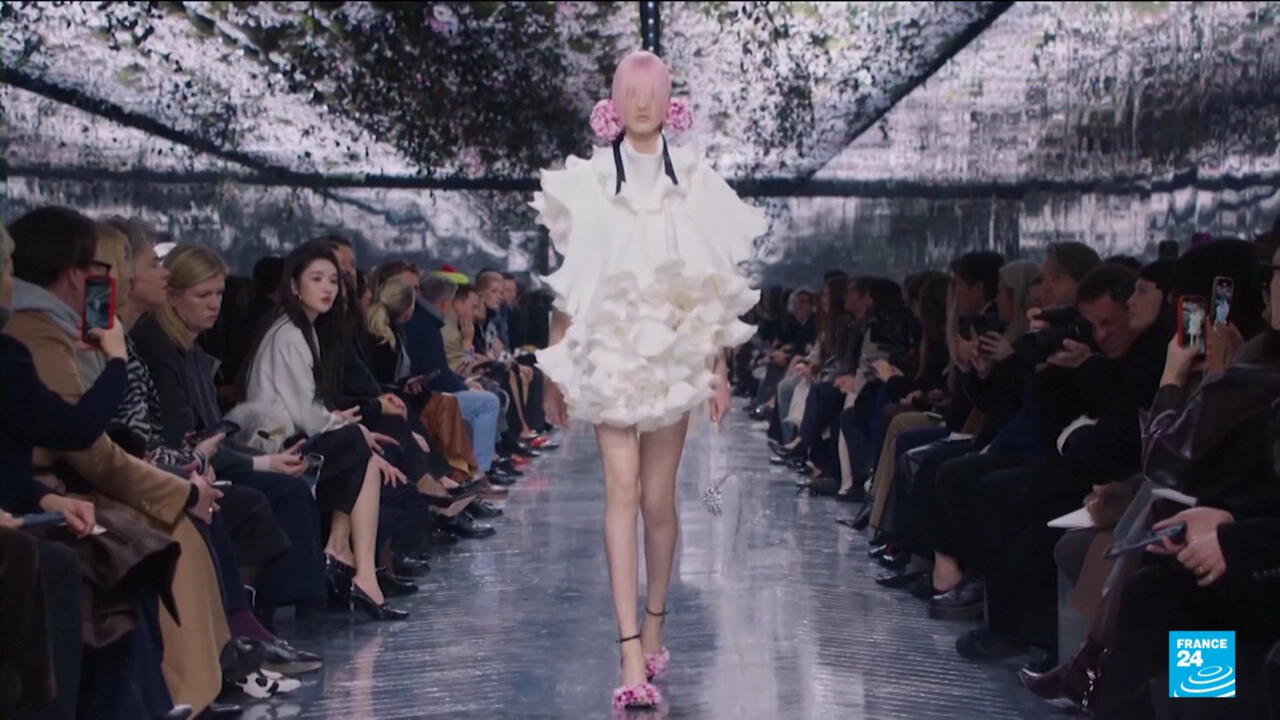
The confluence of high fashion and digital disruption is starkly visible as Paris hosts its seasonal showcase of haute couture. While established French luxury houses present meticulously crafted garments symbolizing heritage and exclusivity, the underlying economic structure of the entire apparel market is undergoing a seismic shift driven by technology.
This transformation is spearheaded by ultra-fast-fashion retailers, exemplified by entities such as Shein. These companies have optimized their supply chains to an unprecedented degree, effectively collapsing the timeline between trend inception and market availability. This speed fundamentally challenges the seasonal, slower production models of traditional luxury.
Central to this competitive edge is the sophisticated deployment of Artificial Intelligence. AI algorithms are now integral to monitoring real-time social media sentiment and e-commerce data, allowing these fast-fashion players to pinpoint micro-trends with remarkable accuracy. This data-driven approach minimizes inventory risk while maximizing relevance to swiftly evolving consumer desires.
The implications for the luxury segment extend beyond mere pricing pressure. The core value proposition of luxury—timelessness and exclusivity—is being tested by an environment that prioritizes constant novelty and immediate gratification. Consumer behavior, particularly among younger demographics, is increasingly conditioned by this rapid consumption cycle.
Economically, this competition forces a strategic re-evaluation for legacy brands. They must now navigate the delicate balance between maintaining their perceived scarcity and adapting to digital speed without diluting brand equity. The divergence in operational models—craftsmanship versus algorithmic efficiency—creates a significant competitive chasm.
Furthermore, the environmental and ethical dimensions of ultra-fast fashion present a growing regulatory backdrop against which the luxury sector operates. While luxury brands face scrutiny over sustainability, the sheer volume and waste generated by hyper-accelerated fashion cycles introduce new dimensions to global compliance challenges.
In conclusion, the current fashion landscape is defined by this dichotomy: the enduring artistry celebrated in Paris versus the agile, AI-driven manufacturing capability of its digital competitors. For global luxury conglomerates, managing this technological and behavioral disruption will be critical to maintaining market dominance in the coming decade. (Source: Derived from France 24 reporting).