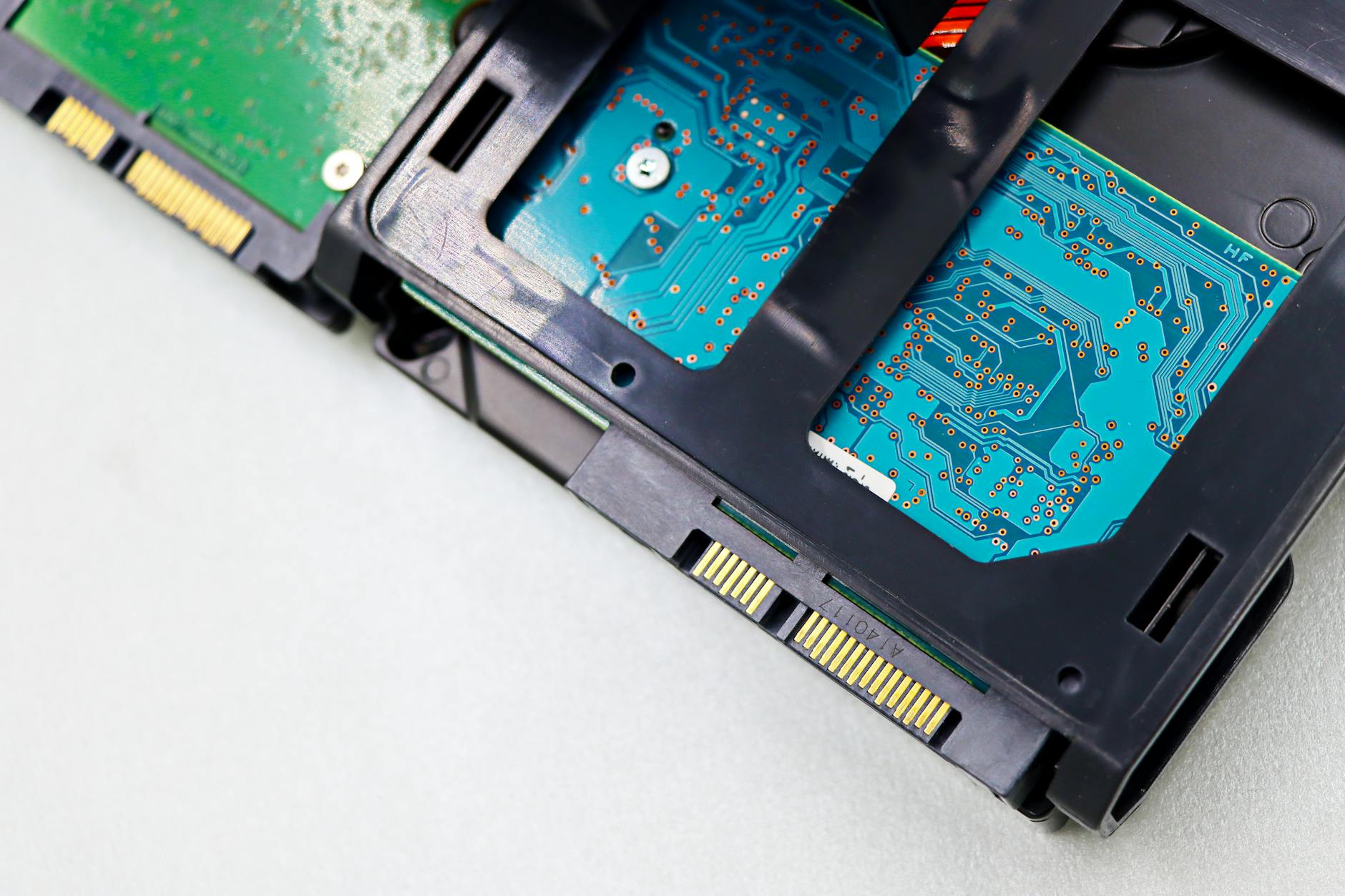
A sudden shift in the Asian supply chain is driving a shortage of mechanical hard drives (HDD) as tech giants pivot production to meet the massive storage needs of artificial intelligence.
Reports from TrendForce and IDC confirm that manufacturers are prioritizing high-density units for large-scale AI operations over the consumer retail market. This supply pivot mirrors the scarcity seen during the historic Thailand floods.
Large-scale models like GPT-5 generate terabytes of diagnostic data every hour. Storing this volume of information on SSDs is financially unfeasible for providers like OpenAI and Microsoft, forcing a massive reliance on high-capacity magnetic drives.
Supply chain redirection
Supply chain analysts in Asia report that 40% of magnetic platter production has been redirected toward direct contracts with Amazon Web Services and Azure. This leaves retail consumers with limited access to high-capacity drives.
Manufacturing sources in Taiwan, including DigiTimes, indicate that the cost of rare earth elements used in read heads has risen by 12%. Industry leaders Seagate, Western Digital, and Toshiba are already notifying distributors of reduced quotas for the consumer market.
Market projections for May suggest significant price increases across the sector. High-capacity drives (18TB+) face a projected 45% price surge, while standard consumer drives (4TB-8TB) are expected to rise by 15%.
Retail availability on platforms like Amazon and Best Buy is expected to become intermittent. Analysts describe the trend as a form of "digital gentrification," where corporations secure essential hardware, leaving end-users to face much higher costs.