Researchers at the University of Southern California identified a paradoxical brain response following stroke injury. Published in The Lancet Digital Health, the study examines structural changes in stroke survivors across eight distinct nations. The findings suggest the brain reorganizes undamaged networks to compensate for lost function effectively.
The research utilized data from the Enhancing NeuroImaging Genetics through Meta-Analysis collaboration. Scientists analyzed brain scans from more than 500 stroke survivors collected at 34 research centers throughout the globe. This global dataset represents the largest stroke neuroimaging collection of its kind in recent history.
Key Findings
The team applied deep learning models trained on tens of thousands of MRI scans to estimate regional brain age accurately. They used a graph convolutional network to predict the biological age of 18 specific brain regions within the human brain. This artificial intelligence approach detected patterns invisible to traditional imaging methods used in standard clinical practice.
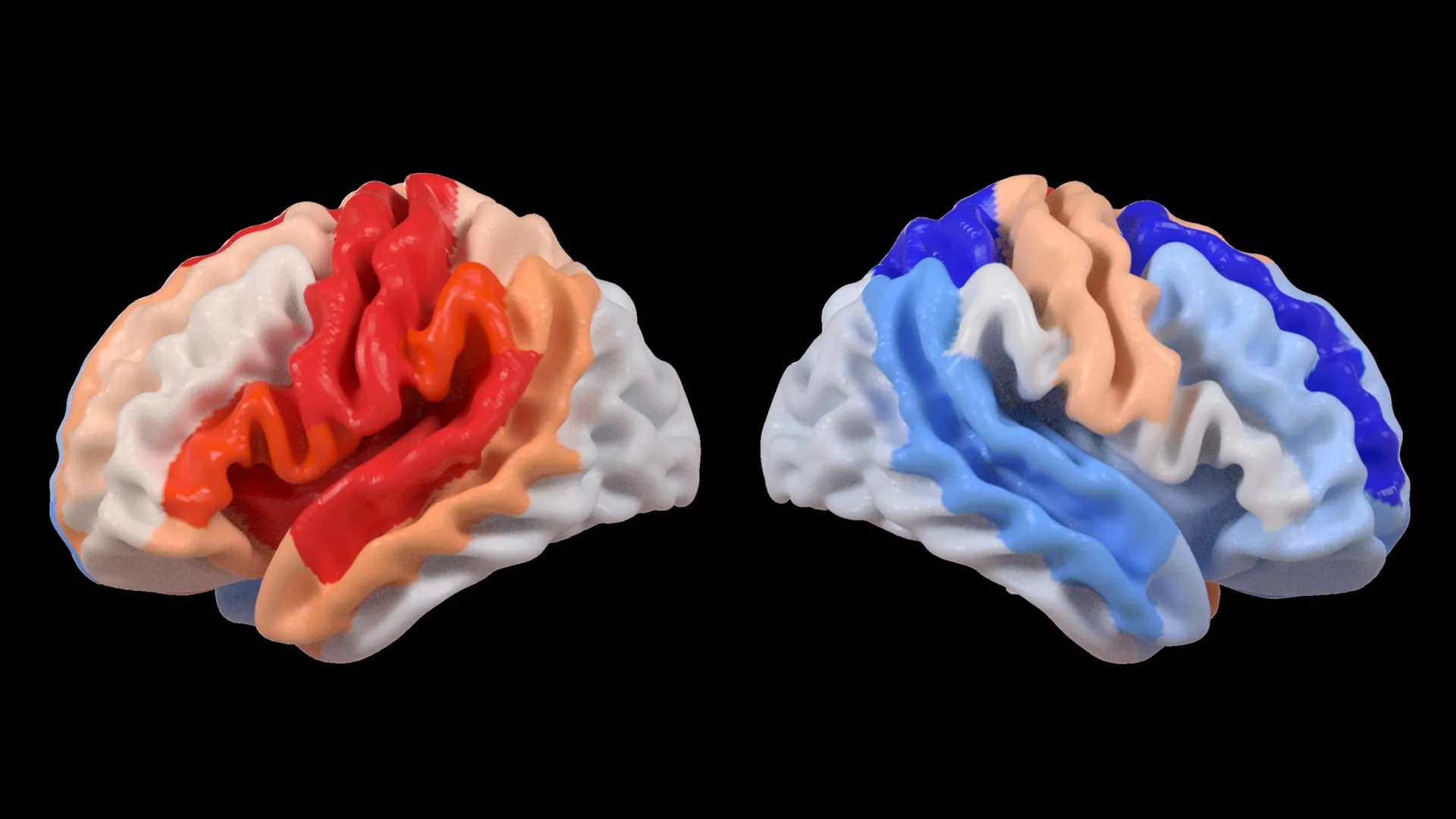
Results indicated that larger strokes accelerate aging in the damaged hemisphere significantly over time. Paradoxically, the opposite side of the brain appeared significantly younger in patients with severe movement impairments. This pattern emerged consistently across survivors who had undergone more than six months of rehabilitation programs.
"We found that larger strokes accelerate aging in the damaged hemisphere but paradoxically make the opposite side of the brain appear younger," the study noted.
Hosung Kim serves as an associate professor of research neurology at the Keck School of Medicine of USC. Kim noted this pattern suggests the brain may be reorganizing itself essentially to maintain function. He remains a co-senior author of the study alongside other international collaborators.
Global Implications
The effect was strongest in the frontoparietal network, which supports motor planning and attention capabilities. This region showed a more youthful pattern despite the physical limitations of the patient. Researchers interpret this as the brain attempting to adjust when the damaged motor system fails completely.
"By pooling data from hundreds of stroke survivors worldwide and applying cutting-edge AI, we can detect subtle patterns of brain reorganization," Toga stated.
Arthur W. Toga, director of the Stevens INI, explained the significance of the pooled data. He emphasized that these findings could eventually guide personalized rehabilitation strategies for patients. The work highlights the potential for AI to revolutionize global healthcare diagnostics.
The researchers plan to track patients from the early stages of stroke through long-term recovery phases. Monitoring how brain aging patterns evolve could help doctors tailor treatments to unique recovery processes. The goal remains improving outcomes and quality of life for survivors globally.
The study received funding from the National Institutes of Health grant R01 NS115845. International collaborators included institutions such as the University of British Columbia and Monash University. These partnerships highlight the growing trend of cross-border medical research initiatives.