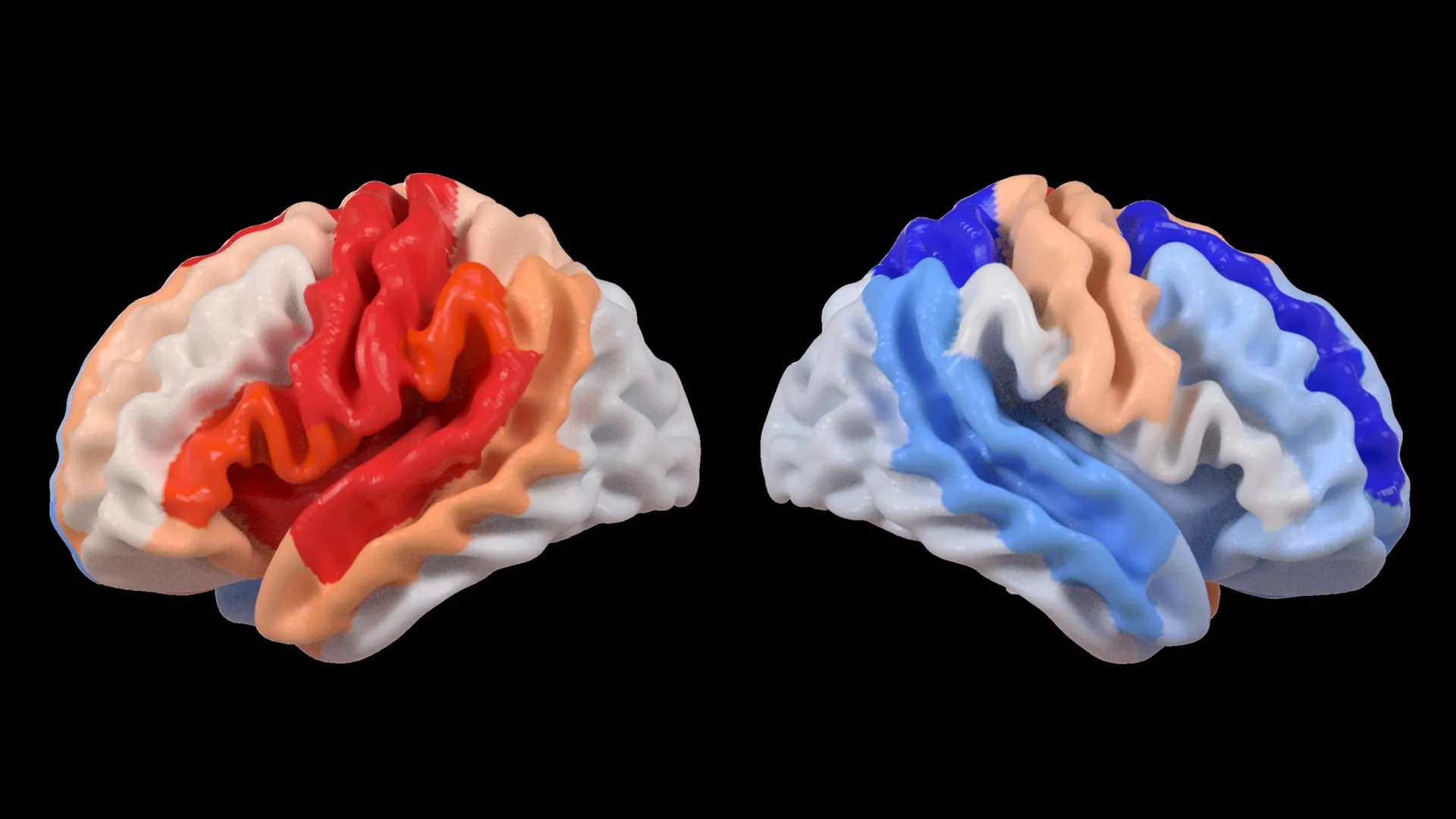
Scientists at the University of Pennsylvania have successfully developed a gene therapy that treats chronic pain without opioid addiction risks. Published in Nature, the study targets specific brain circuits to reduce pain signals while avoiding reward pathways. This approach addresses the urgent need for safer alternatives in the United States healthcare system.
The therapy functions like a precise volume control rather than a blanket mute button for the entire brain. Researchers utilized artificial intelligence to map natural behavior and estimate pain levels in mice models. This data guided the creation of a brain-specific off switch for pain processing circuits.
Mechanism and AI Integration
"The goal was to reduce pain while lessening or eliminating the risk of addiction and dangerous side effects," Gregory Corder said. He serves as a co-senior author and assistant professor of Psychiatry and Neuroscience at Penn. The team believes this method offers a first step in providing relief for people whose lives are upended by chronic pain.
The work reflects more than six years of research supported by the National Institutes of Health New Innovator Award. The urgency for such treatment is evident given current public health statistics regarding drug use. Opioids such as morphine can lower pain volume but act on other parts of the brain which leads to serious side effects.
Drug use contributed to approximately 600,000 deaths in 2019 with significant opioid involvement in the total count. A 2025 Pew survey indicated nearly 50% of Philadelphians knew someone with opioid use disorder personally. One-third of respondents knew someone who had died from an overdose according to the same report.
Economic and Public Health Impact
Chronic pain affects roughly 50 million Americans and costs the economy over 635 million dollars annually. Medical expenses and lost productivity drive these financial burdens significantly for patients and employers across the nation. This condition often remains a silent epidemic that impacts workforce earnings and health outcomes.
"The journey from discovery to implementation is long, and this represents a strong first step," Michael Platt said. He serves as the James S. Riepe University Professor and Professor of Neuroscience at the university. Platt noted the potential to relieve suffering without fueling the opioid crisis is exciting.
The team is now collaborating with Michael Platt to advance toward clinical trials for human testing. Scientists emphasize the long road from discovery to implementation remains challenging but promising. This work was supported by various foundations including the Howard Hughes Medical Institute.
Some authors serve as inventors on a provisional patent application through the University of Pennsylvania and Stanford University. The patent covers custom sequences used in the development of synthetic opioid promoters. This intellectual property will be crucial for future commercialization and testing phases.
If future studies confirm these findings, the approach could reduce the burden of chronic pain management globally. It offers effective relief without the risks tied to traditional narcotics and their high misuse potential. The research provides a concrete blueprint for non-addictive, circuit-specific pain medicine.