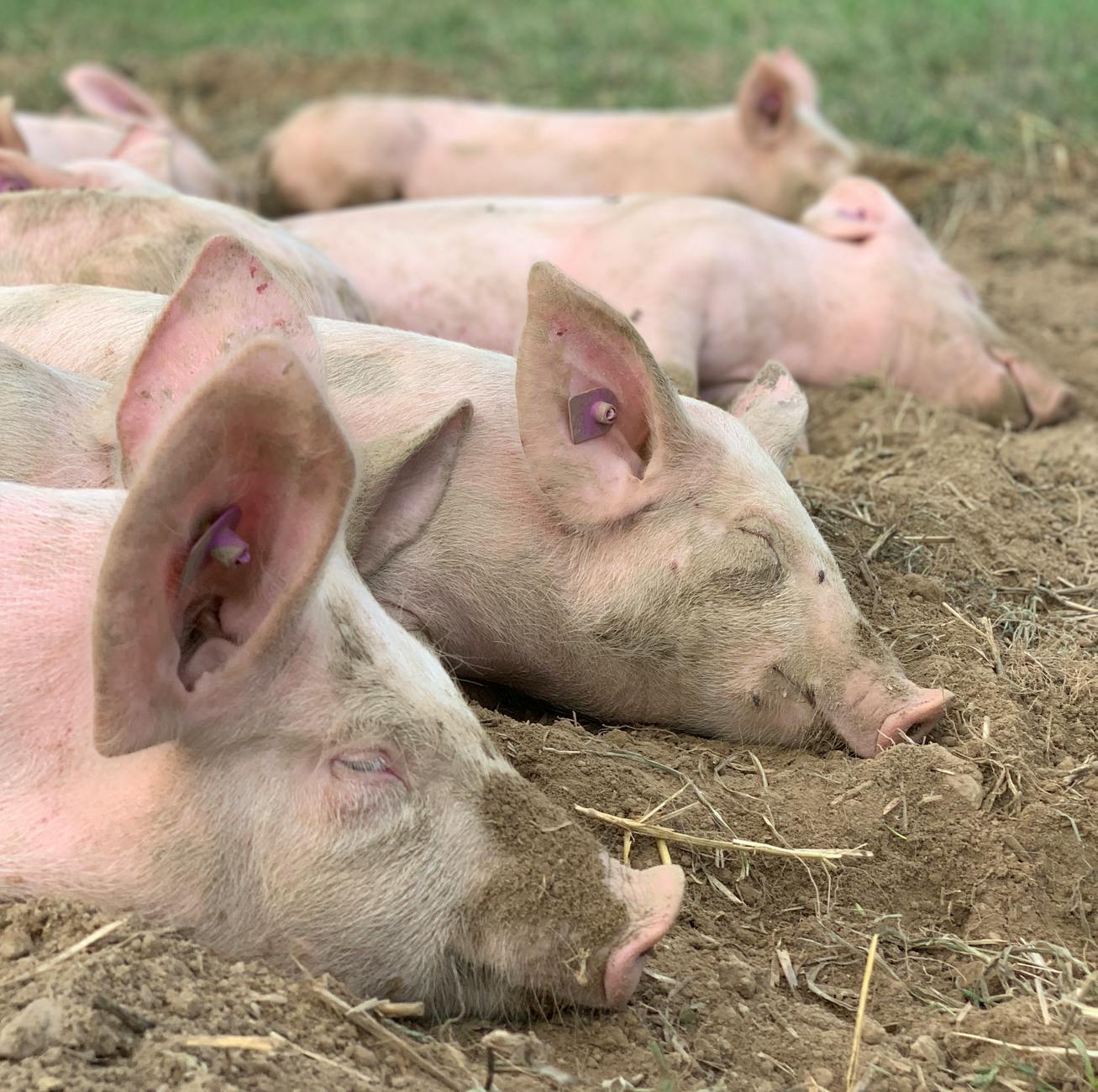
New research published in BMC Veterinary Research suggests that while animal welfare-friendly housing systems for pigs are increasing in popularity, they come with significant reproductive and operational costs. The study, which analyzed over 61,000 service records from a large-scale breeding herd in Thailand, compared traditional gestation crates with newer group-housing and free-farrowing environments.
Researchers found that sows kept in traditional crates consistently outperformed those in group-housing systems regarding reproductive efficiency. Specifically, traditional crate systems yielded higher farrowing rates and lower remating rates. In contrast, sows in the complete free-farrowing systems struggled during the hot and rainy seasons, particularly gilts and first-time mothers.
Balancing welfare and productivity
Data indicates that while free-farrowing pens produced larger litters, they were also associated with higher rates of piglet mortality before weaning. The study noted that piglets born in these systems faced greater survival challenges than those born in the controlled environment of a crate. Furthermore, the longevity of the sows—a key metric for herd sustainability—was negatively impacted by the free-farrowing model.
Sows housed in crates and those in group systems with temporary post-farrowing confinement remained in the herd longer than those in the complete free-farrowing group. The researchers concluded that the transition to more humane housing is not a simple swap. Instead, it requires specific management interventions to mitigate the observed reproductive trade-offs.
"There is a need for interventions and husbandry management for balancing animal welfare with reproductive trade-offs in these alternative welfare-friendly systems," the report stated. The findings suggest that producers must account for higher piglet loss and potential drops in overall herd lifespan when moving away from traditional confinement methods in tropical climates.