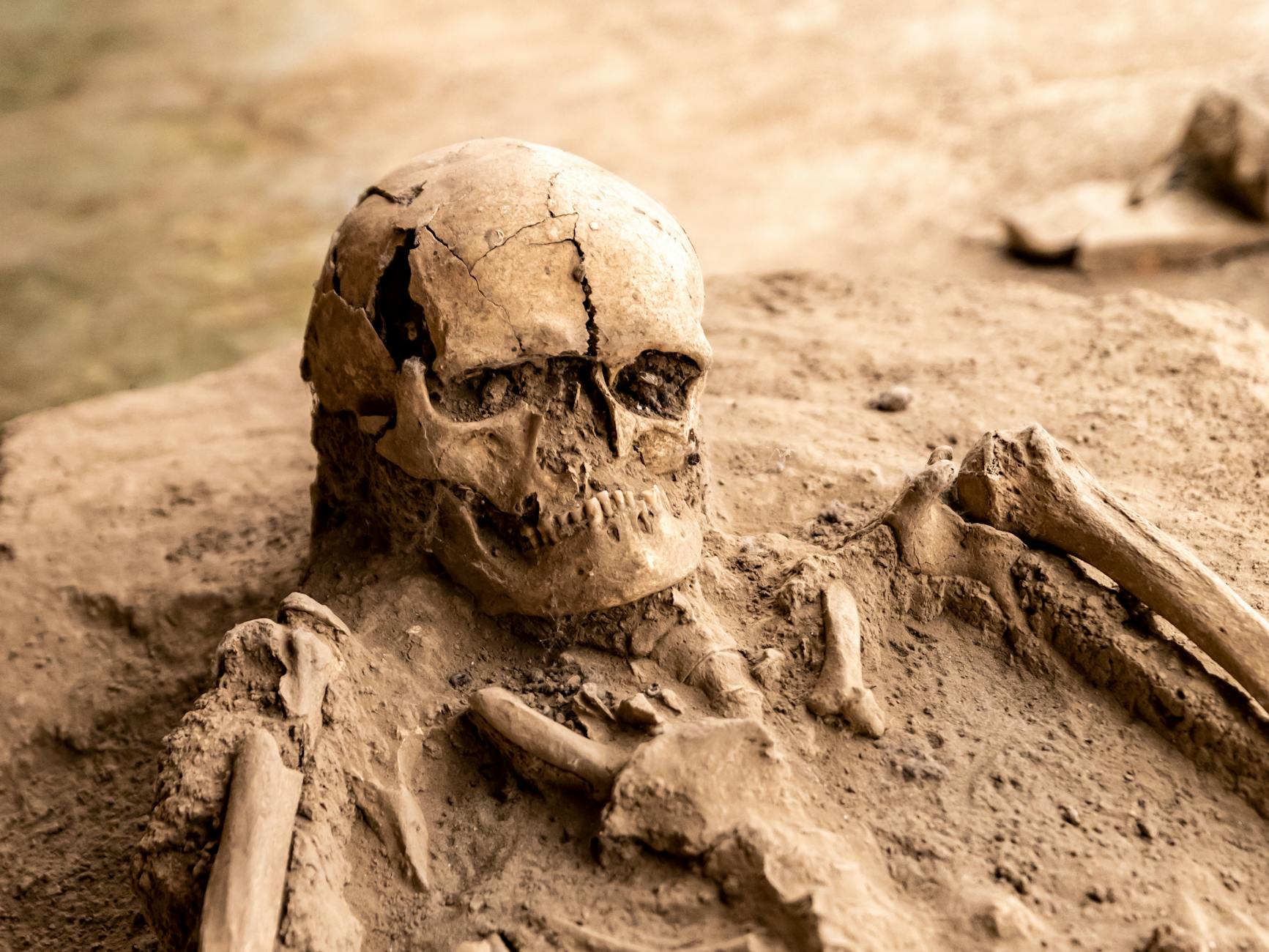
Archaeological evidence from across Europe suggests that dietary inequality has been a persistent feature of human society for at least 10,000 years, with men consistently consuming more meat than women. A new study published in the journal PNAS Nexus analyzed 12,281 adult skeletons from 673 sites to track these nutritional disparities.
Researchers Rozenn Colleter, Michael P. Richards, and their team utilized an "interdecile ratio" to measure inequality. By examining carbon and nitrogen isotope ratios in bone collagen, the team bypassed the traditional complications caused by varying local climate conditions or soil fertilization techniques.
The persistence of nutritional bias
The data shows that while the earliest agricultural societies during the Neolithic period were the most egalitarian, they still exhibited clear gender disparities in protein access. In every subsequent era studied, the researchers identified a persistent male bias in the highest tiers of meat consumption.
"The results underscore the persistent inequality of access to animal protein in Europe over the last 10,000 years," the authors noted in their report. The study suggests that this pattern likely stems from a combination of social factors rather than simple biological necessity.
According to the researchers, these historical disparities may be rooted in deeply ingrained social norms that prioritized men’s nutritional needs. Other contributing factors potentially include food taboos, specific cosmological beliefs, and common misconceptions regarding the actual protein requirements of women.
While the study focuses on historical human remains, it provides a stark look at how social status and gender roles have dictated basic survival resources for millennia. The findings suggest that the inequity of food access is not a modern phenomenon, but a structural component of pre-industrial European life.