An international team of researchers has solved a 30-year biological mystery by identifying how the human body absorbs queuosine, a micronutrient critical for brain function, memory, and cancer suppression. The findings, published this week in the Proceedings of the National Academy of Sciences, pinpoint the gene SLC35F2 as the specific transporter that allows this compound to enter human cells.
Queuosine is not produced by the human body. It is acquired through diet and synthesized by bacteria residing in the gut microbiome. While scientists have known of its existence since the 1970s, the mechanism for how it reaches cells remained elusive until now.
Unlocking the SLC35F2 gene
"For over 30 years, scientists have suspected that there had to be a transporter for this nutrient, but no one could find it," said Valérie de Crécy-Lagard, a professor at the University of Florida and one of the study's principal investigators. "This discovery opens up a whole new chapter in understanding how the microbiome and our diet can influence the translation of our genes."
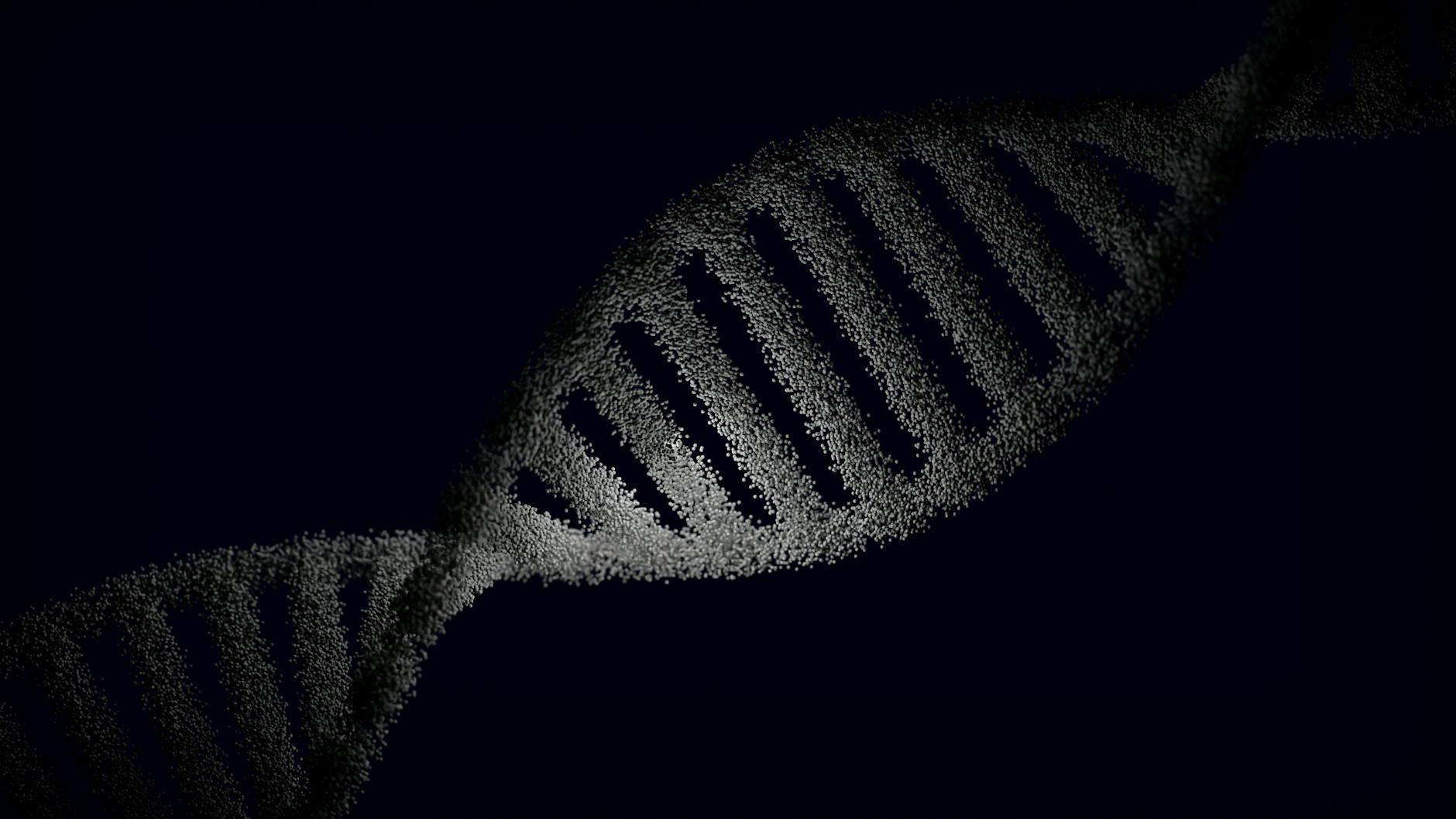
The study reveals that queuosine functions by altering transfer RNA, the molecule responsible for helping cells interpret DNA to build proteins correctly. It essentially acts as a chemical fine-tuner for gene expression.
Previously, researchers knew of the SLC35F2 gene, but its primary function in healthy biological processes was a blank slate. Some earlier studies had observed the gene's role in allowing viruses and specific cancer medications to enter cells, but its connection to queuosine provides a new understanding of its importance in human health.
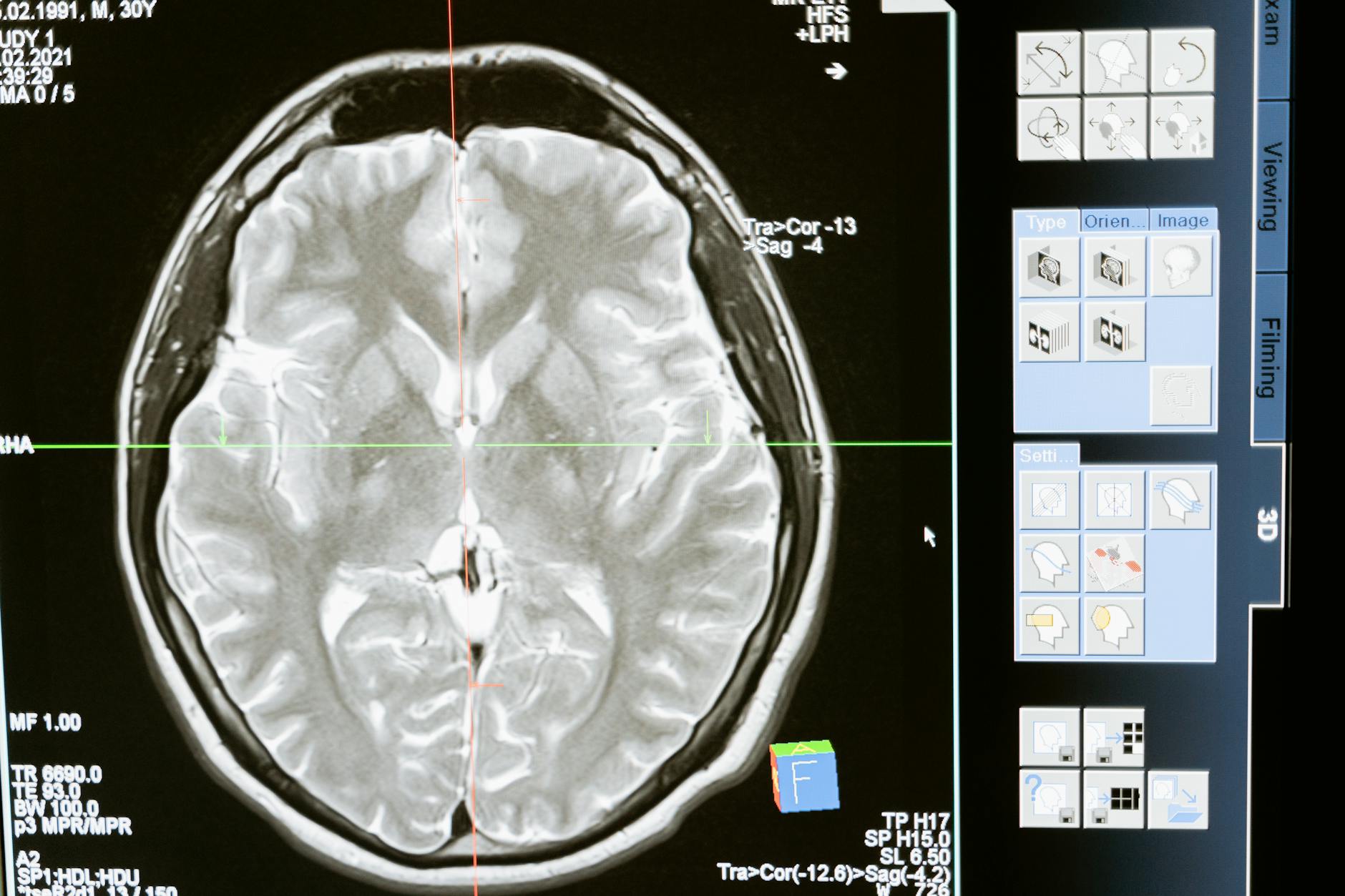
"We have known for a long time that queuosine influences critical processes like brain health, metabolic regulation, cancer and even responses to stress, but until now we haven't known how it is salvaged from the gut and distributed to the billions of human cells that take it in," said Vincent Kelly, a professor at Trinity College Dublin and joint senior author of the research.
The project involved a multi-national effort, including contributors from the University of Florida, Trinity College Dublin, San Diego State University, and The Ohio State University. Funding was provided by the National Institutes of Health, Research Ireland, and Health and Social Care in Northern Ireland.
By establishing how this nutrient enters the body, researchers hope to develop new therapeutic pathways that leverage queuosine’s role in neurological health and cancer defense. The team expects this discovery to shift the focus toward how specific dietary choices and gut health influence long-term biological resilience.