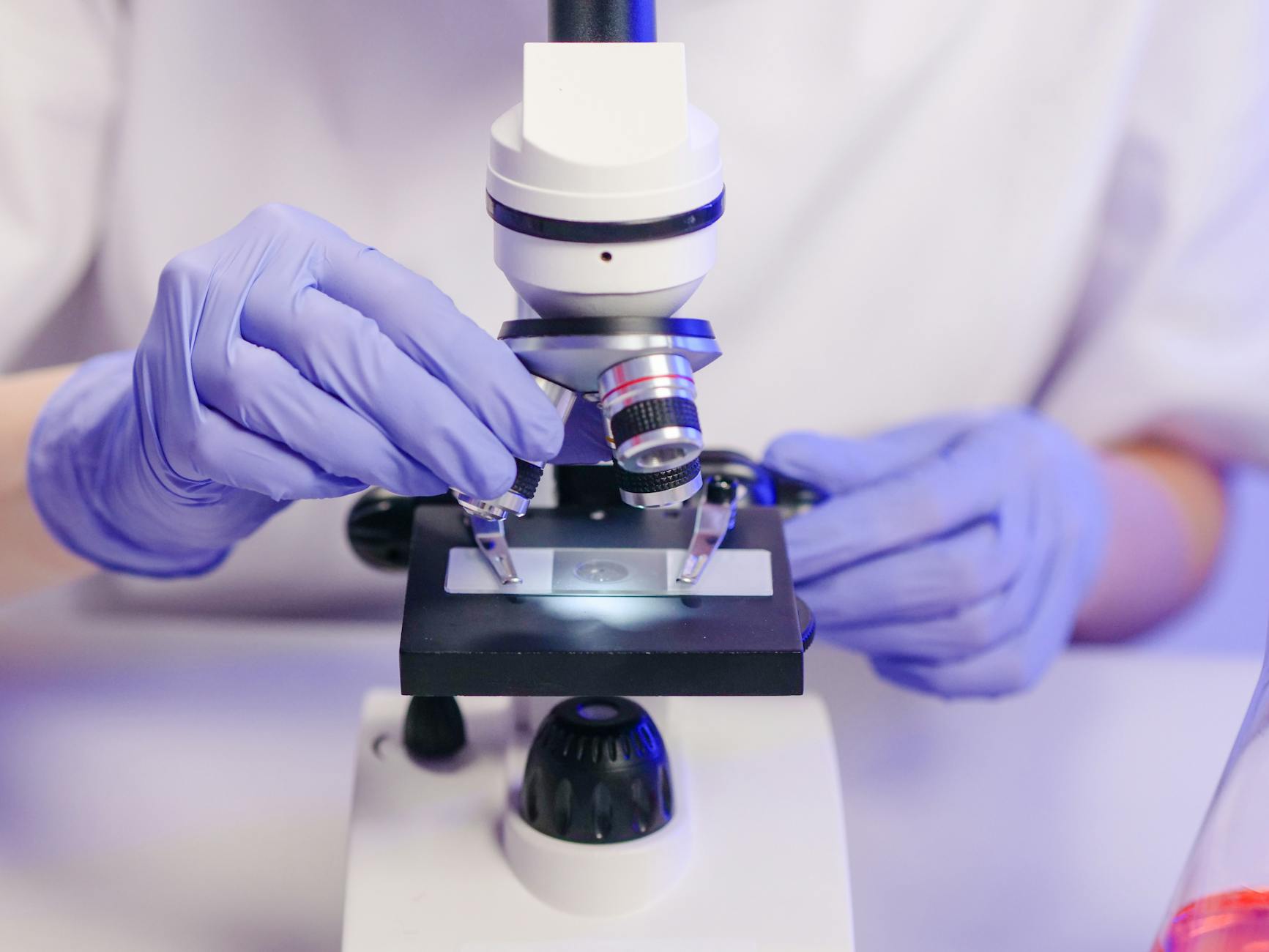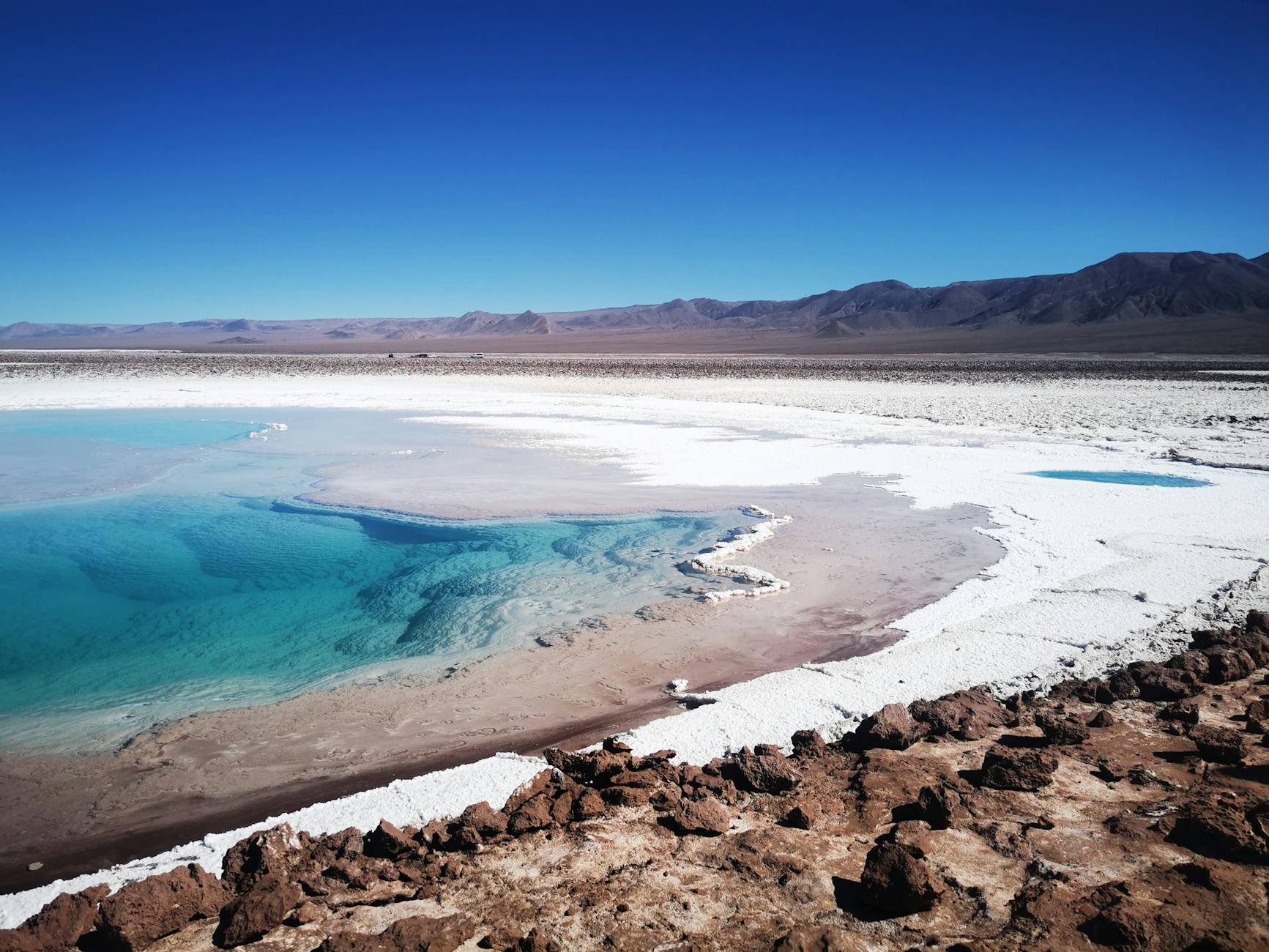
Scientists from the University of Antofagasta, working alongside an international team, have discovered ancient microbial communities trapped inside halite crystals in the Salar de Llamara. These microorganisms have survived for millions of years in a state of suspended animation, protected by the salt deposits of the Atacama Desert.
The discovery centers on tiny fluid inclusions—burbles of water sealed within the salt. Because these pockets were isolated from the atmosphere, the microbes within have maintained intact DNA and biological structures.
A blueprint for Martian life
Researchers view the Atacama as the most accurate terrestrial analog for the surface of Mars. The presence of halite in Martian craters suggests that if life once existed on the Red Planet, it may have followed a similar path of preservation.
"The Atacama is a gold mine for astrobiology," the research team noted. By studying how these microbes survived extreme ultraviolet radiation and maintained a near-zero metabolism, scientists hope to calibrate the instruments currently being used by NASA’s Perseverance rover.
This research offers a critical advantage for future space exploration. Understanding the mechanisms these microbes use to repair their own DNA could provide essential data for protecting human colonists from cosmic radiation.
Unlike traditional laboratory experiments, these salt-dwelling organisms have proven their ability to withstand geological time scales without external energy sources. This biological survival strategy serves as a benchmark for what planetary scientists should look for when analyzing soil samples from Mars’ Planum Australe or Jezero Crater.
This finding solidifies Chile’s role as a primary testing ground for space exploration. As agencies like NASA and the ESA refine their search for extraterrestrial life, the lessons learned from the Atacama will dictate the parameters of their mission equipment and detection strategies.