Researchers have developed a new technique called Connectome-seq that maps brain wiring by assigning unique RNA barcodes to neurons. The method allows scientists to identify connections between brain cells with single-synapse precision, offering a faster and more scalable alternative to traditional imaging.
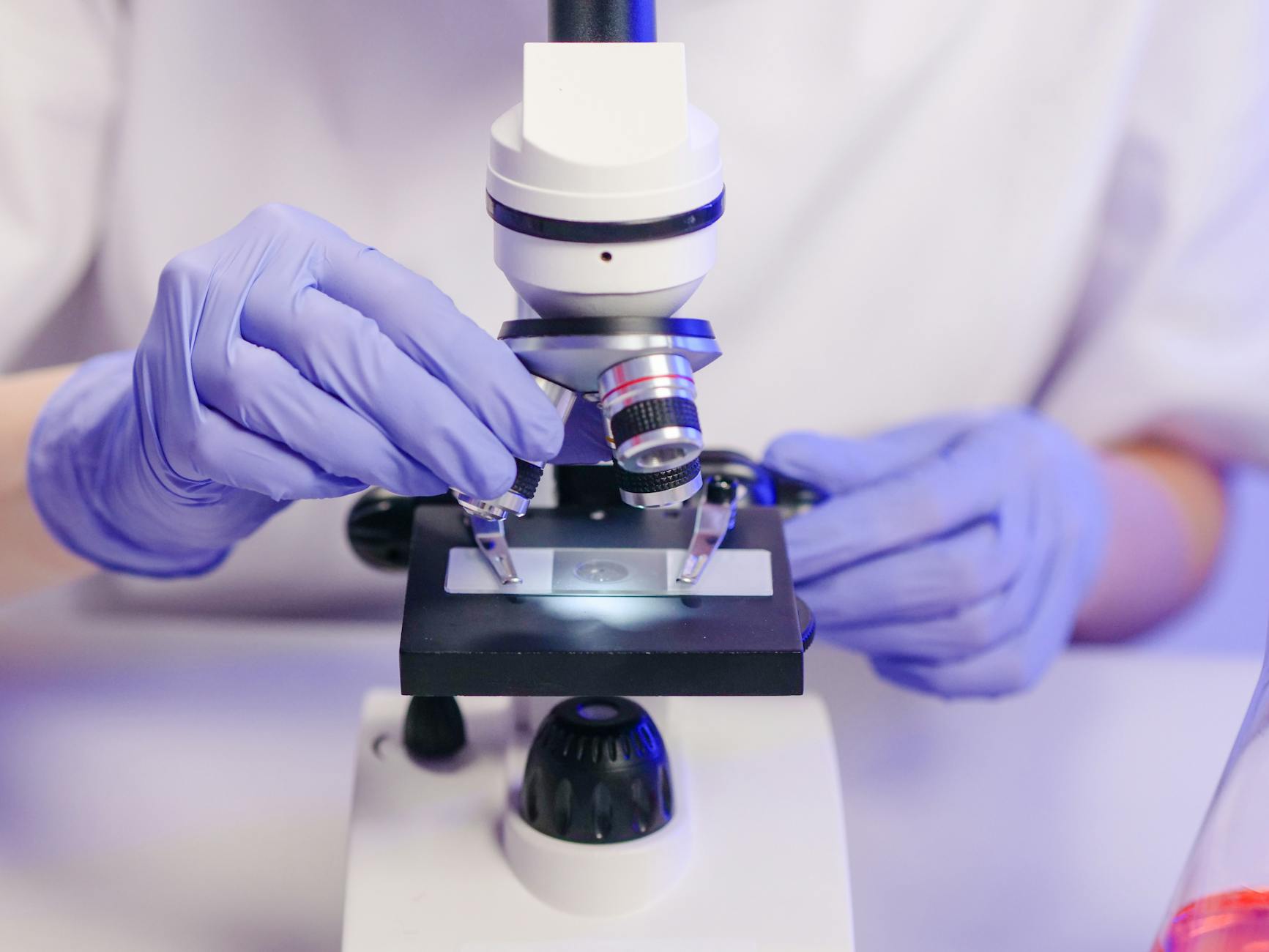
Traditional brain mapping often requires slicing tissue into thin sections and manually tracing pathways under a microscope. By contrast, the new approach treats brain connectivity as a sequencing problem, tracking how molecular tags meet at the synapse to reveal direct neural links.
“When engineering a computer, you need to know the circuitry of the central processing unit,” said study leader Boxuan Zhao, a professor of cell and developmental biology at the University of Illinois Urbana-Champaign. “If you don't know how everything is wired together, you can't understand its function, optimize it or fix it when something breaks.”
Uncovering new neural pathways
The team tested the platform on the pontocerebellar circuit in mice, successfully mapping over 1,000 neurons. The analysis revealed previously unknown connectivity patterns, including direct links between cell types that were not previously thought to communicate in adult brains.
Zhao describes the process by comparing neurons to balloons tied together at a junction. By snipping the "knots" where synapses meet and sequencing the barcodes found within, researchers can determine exactly which cells are connected.
This high-throughput capability could prove vital for studying neurodegenerative disorders like Alzheimer’s. By comparing the neural maps of healthy brains with those affected by disease, researchers hope to identify early changes in circuit architecture before physical symptoms manifest.
“We could see where connections change, where the most vulnerable parts of the brain are, perhaps before symptoms even appear,” Zhao said. "If we can catch where exactly the weak link is that kick starts the whole catastrophic cascade in Alzheimer's disease, can we specifically strengthen those connections to where the disease slows or does not progress?"
The findings were published in the journal Nature Methods. Zhao and his team are currently working to improve the platform with the goal of eventually mapping the entire mouse brain.