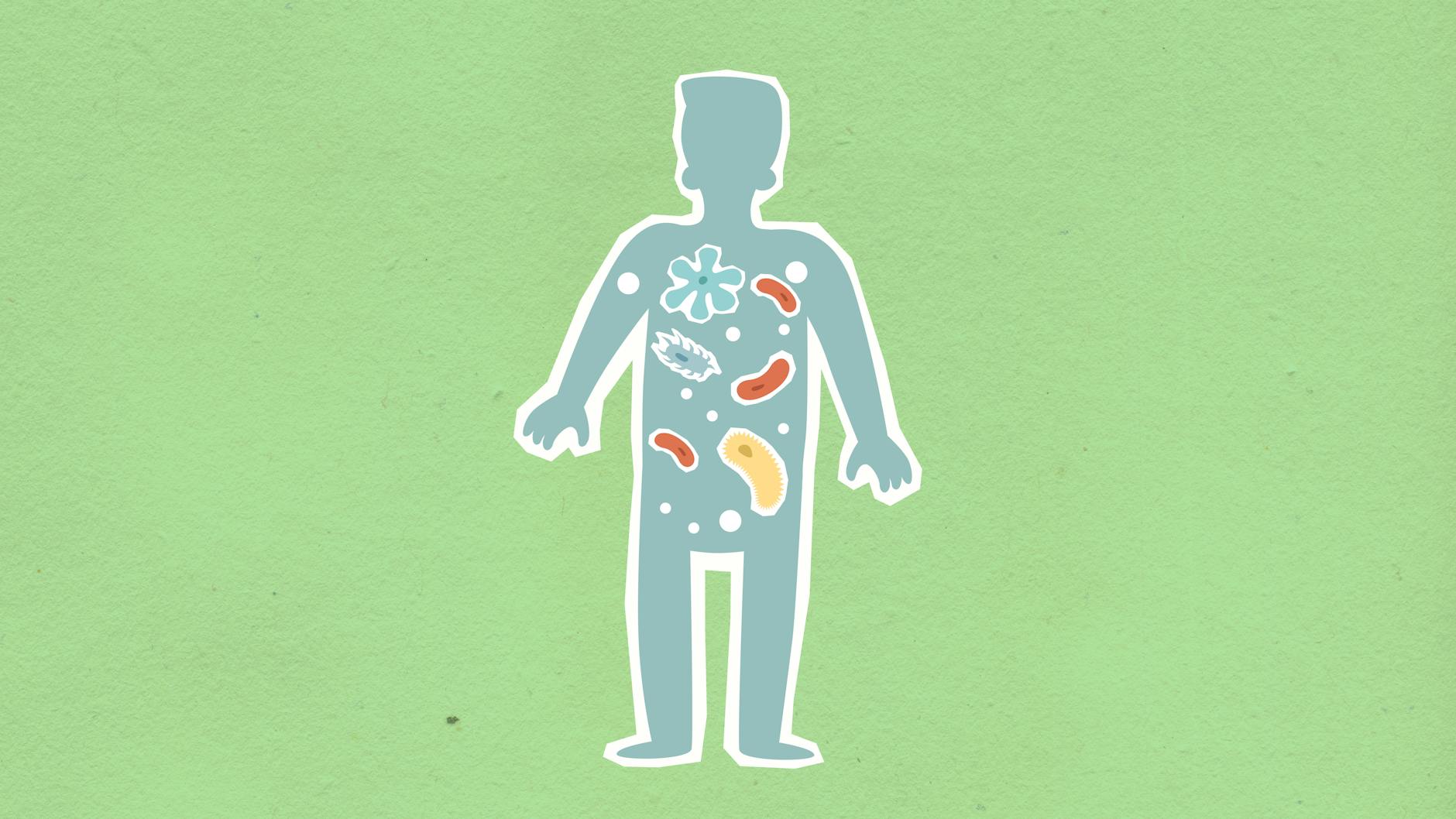
A joint research team from the University of Granada, the University of Almería, and the Leiden University Medical Center has published a study in the journalGut, shedding new light on the connection between the gut microbiome and muscle function. Researchers have identified that the Roseburia genus plays a critical role in maintaining muscle mass and strength.
This study provides strong support for the 'gut-muscle axis' theory. Jonatan Ruiz, a professor in the Department of Physical Education and Sports at the University of Granada and an iMUDS researcher, stated: "Our findings provide compelling evidence for the existence of a gut-muscle axis, showing that these bacteria enhance muscle strength by actively regulating muscle metabolism."
The team analyzed fecal samples and conducted physical fitness tests on 90 healthy young adults (aged 18–25) and 33 older adults (aged 65+). The results showed a positive correlation between the abundance of Roseburia and participants' grip strength, leg strength, and cardiorespiratory fitness. Notably, older adults carrying the speciesRoseburia inulinivoransexhibited 29% greater grip strength than those in whom the bacteria were not detected.
A Direct Link Between Gut Microbiota and Athletic Performance
To determine whether Roseburia directly influences muscle function, the researchers conducted experiments on mice. After depleting the mice's gut microbiota with antibiotics, they supplemented the subjects with human-derived Roseburia strains for eight weeks. The results showed that the experimental group experienced a roughly 30% increase in forelimb grip strength.
Furthermore, the mice showed thicker muscle fibers in their soleus muscles, along with a significant increase in the proportion of Type II muscle fibers, which are responsible for power and explosive strength. These physiological changes were accompanied by metabolic shifts in key enzymes and proteins involved in muscle energy production.
Researchers observed that Roseburia levels were significantly lower in older adults compared to younger ones, a finding that aligns closely with the natural muscle loss that occurs with aging. Borja Martínez Téllez, a researcher at the University of Almería, noted: "This opens up the possibility of developing new probiotics using these bacteria to help people maintain muscle strength as they age."
Despite these promising results, the team acknowledged the study's limitations. In the mouse experiments, the human-derived Roseburia strains did not permanently colonize the mice's guts. Additionally, the study did not directly assess biological mechanisms such as inflammatory pathways or neuromuscular signaling. The researchers emphasized that further long-term studies are needed to determine whether changes inRoseburia inulinivoranslevels are the cause or the result of improved muscle function.