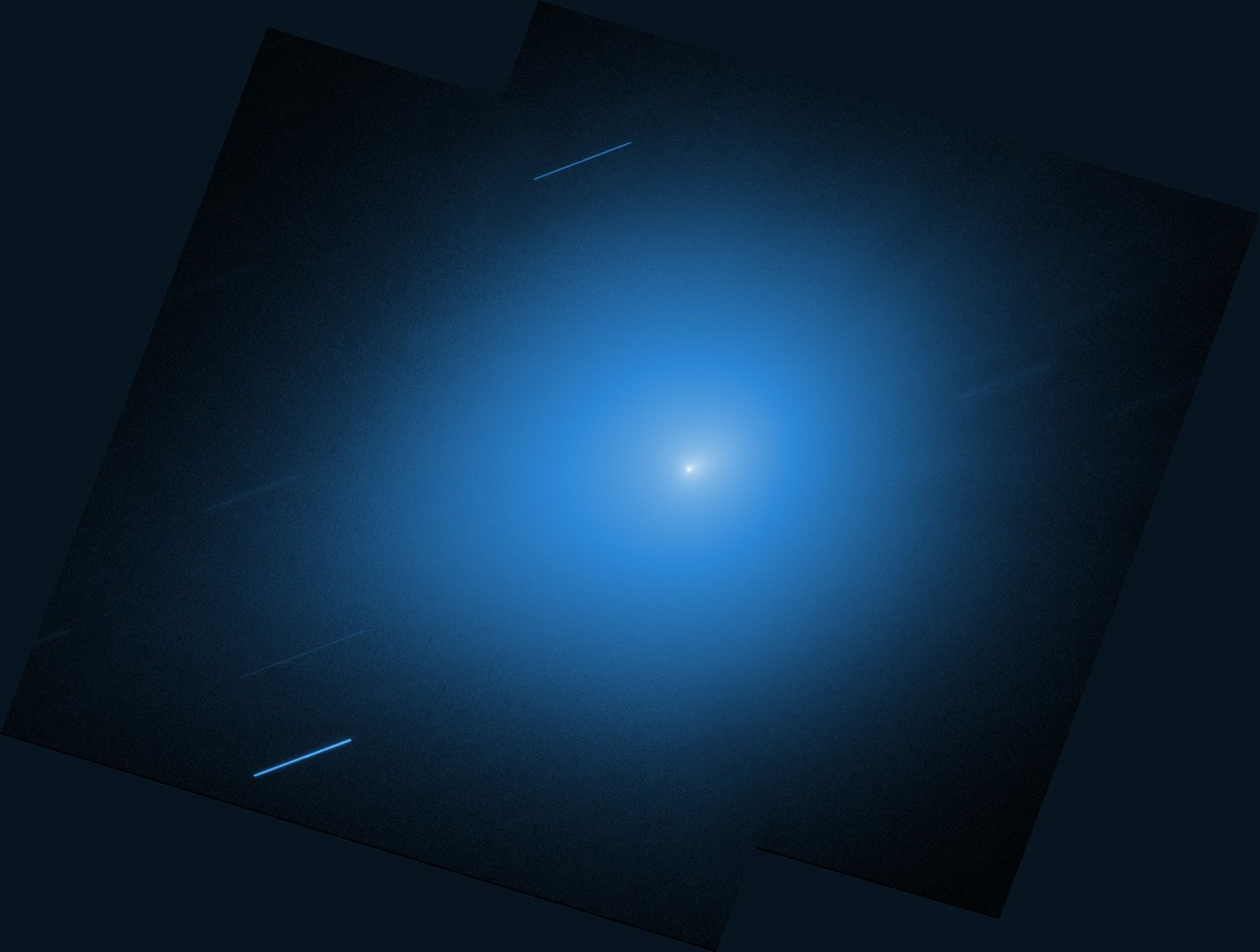
NASA released a series of high-resolution images Monday of 3I/ATLAS, the third interstellar comet ever detected passing through our solar system. Twelve separate space missions collaborated to capture the detailed footage of the object’s trajectory.
The comet is currently hurtling through the solar system at high velocity. Astronomers expect the object to reach its closest point to Earth this December.
Tracking an interstellar visitor
Scientists classify 3I/ATLAS as an interstellar visitor, meaning it originated outside of our sun's gravitational influence. Its path provides a rare opportunity for researchers to study matter from another star system.
According to NASA mission controllers, the combined data from the twelve missions offers the clearest view to date of the comet's nucleus and its trailing tail of gas and dust. Researchers are actively analyzing the composition of the cometary coma to determine its chemical makeup.
The object follows the path of previous interstellar visitors 'Oumuamua and 2I/Borisov. However, early reports from the agency suggest that 3I/ATLAS displays unique structural characteristics that distinguish it from its predecessors.
"The level of detail we are seeing is unprecedented for an interstellar object," said a spokesperson for the NASA imaging team. "We are essentially watching a piece of another solar system travel through our own backyard."
Ground-based observatories across the globe are coordinating with the space-based missions to maintain a continuous watch on the comet. The data gathered over the coming weeks will likely form the basis of upcoming studies regarding the formation of planetary systems beyond our own.
NASA has confirmed that 3I/ATLAS poses no threat to Earth. The object will maintain a safe distance from our planet throughout its transit.