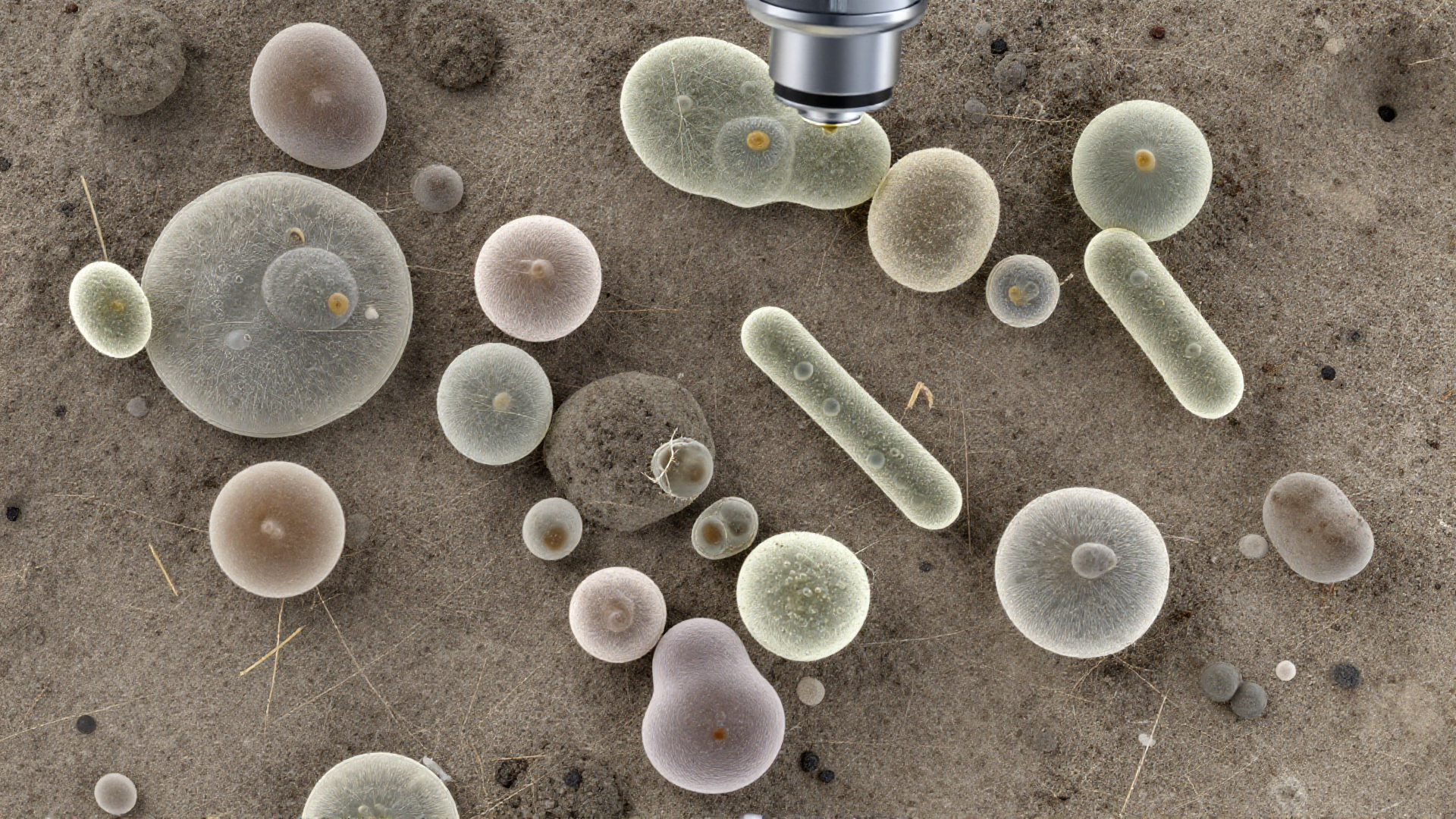
Yale researchers have determined that early-life exposure to diverse microbial environments generates a specific antibody response that substantially blocks allergic reactions later in life, addressing a long-standing question in immunology. This exposure trains the immune system to respond in a balanced manner rather than overreacting to typically harmless substances like pollen or peanuts, according to the study published in the journal Nature.
Ruslan Medzhitov, Sterling Professor of Immunobiology at Yale School of Medicine and the study's first author, stated the team sought to validate the hypothesis that less sterile living conditions protect against allergies. The core objective was to ascertain the immunological mechanisms activated when an animal is exposed to a natural, microbe-rich setting.
Researchers compared mice raised in microbe-rich settings, simulating natural habitats, against controls maintained in sterile laboratory conditions. Both cohorts were subsequently exposed to common allergens, allowing investigators to measure antibody production and immune cell activity in response to the triggers.
Mice from the natural environments demonstrated significant protection against severe allergic reactions compared to their sterile counterparts, even when facing novel food allergens. This protection stemmed from a cross-reactive immune memory that preferentially stimulated the production of protective Immunoglobulin G (IgG) antibodies over allergy-driving Immunoglobulin E (IgE).
Medzhitov noted that the 'natural mice' exhibited a normal state of immune readiness developed through constant, non-pathogenic microbial exposure, which sharply contrasted with the 'clean mice.' This suggests that increasingly sanitized modern environments leave the immune system undertrained, leading to pathological allergic responses from minor exposures.
The dramatic rise in allergies observed across industrialized nations appears strongly linked to environmental factors rather than solely genetic predispositions, the data indicates. While sanitation and antibiotics offer crucial protection against dangerous pathogens, the trade-off involves an immune system unprepared for routine environmental antigens.
These findings carry implications for prophylactic health strategies, potentially supporting early environmental exposure to cultivate robust IgG responses, which may also offer a pathway to curing existing allergies. The research further illuminates the environmental role in triggering autoimmune conditions.