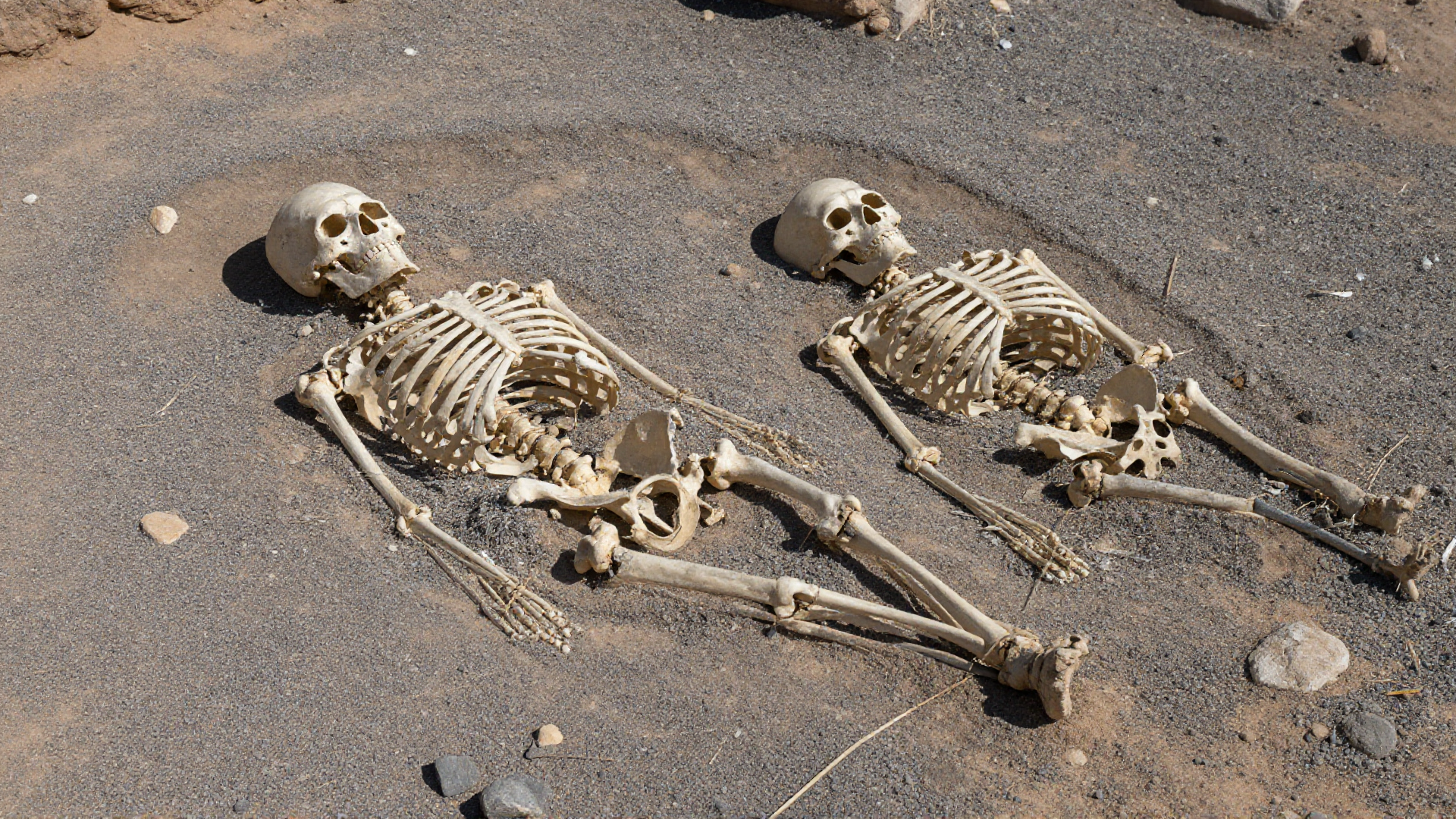
Researchers have verified the first Mediterranean mass grave linked to the Plague of Justinian, which devastated the Byzantine Empire between the sixth and eighth centuries, according to findings published in the Journal of Archaeological Science. The excavation site at Jerash, a key regional trade hub in modern-day Jordan, offers a rare empirical window into the mobility and vulnerability of populations facing widespread pestilence.
DNA extracted from the teeth of the buried individuals confirmed the site represented a single, rapid mortuary event, rather than the slow accumulation seen in standard cemeteries, the team reported. This research builds on earlier work that identified Yersinia pestis as the causative microbe, transforming genetic findings into a tangible human story about urban crisis response, stated lead author Rays Jiang of the University of South Florida.
The multidisciplinary team, involving experts from the University of South Florida, Florida Atlantic University, and the University of Sydney, analyzed the victims' demographic profile. The analysis suggests a highly mobile and transient population was effectively trapped in Jerash by the disease's spread, drawing parallels to travel shutdowns seen during the recent Covid pandemic.
Excavations at the site, located near the ancient hippodrome, uncovered more than 200 individuals spanning diverse ages and genders, including working-age adults and teenagers. This composition supports the hypothesis that the burial included slaves, mercenaries, and other transient residents common to major commercial centers of the era.
Dr. Jiang noted that the hard evidence of a mass grave counters historical revisionism regarding the pandemic's severity, which some skeptics questioned due to a lack of immediate institutional collapse in textual records. The presence of confirmed Yersinia pestis and the burial site provide irrefutable proof of the biological event, irrespective of subsequent sociopolitical outcomes.
Historically, ancient pandemics thrived in densely populated urban centers exacerbated by trade and environmental shifts, factors clearly present in the ruins of Greco-Roman Jerash. The study emphasizes that pandemics function as profound social events, requiring analysis that integrates biological data with the existing archaeological context.
Future analysis will likely focus on comparing the demographic mortality patterns at Jerash with other contemporary burial sites to better model the economic and demographic footprint of this early global contagion. The findings underscore how pre-modern trade networks facilitated rapid pathogen dissemination.