Researchers at Flinders University have developed a new filtration material designed to capture perfluoroalkyl and polyfluoroalkyl substances (PFAS), the persistent pollutants commonly known as "forever chemicals."
The study, published in the journalAngewandte Chemie International Edition, details a method using nano-sized molecular cages to lock onto PFAS molecules. Unlike existing technologies that struggle with short-chain variants, this new system effectively isolates these highly mobile pollutants.
A new approach to water purification
"We discovered that a nano-sized cage captures short-chain PFAS by forcing them to aggregate favourably inside its cavity," said project leader Dr. Witold Bloch. "This unusually strong binding mechanism is different from that of traditional adsorbent materials."
To create the filter, the team embedded these molecular cages into mesoporous silica. While this base material does not typically bind to PFAS on its own, the addition of the nano-cages allows it to isolate a wide range of contaminants that previously bypassed standard treatment systems.
PhD candidate Caroline Andersson, the study's lead author, noted that the team designed the material based on molecular-level observations of how PFAS bind within the cages. This precision design allows the filter to function reliably even when dealing with difficult-to-capture compounds.
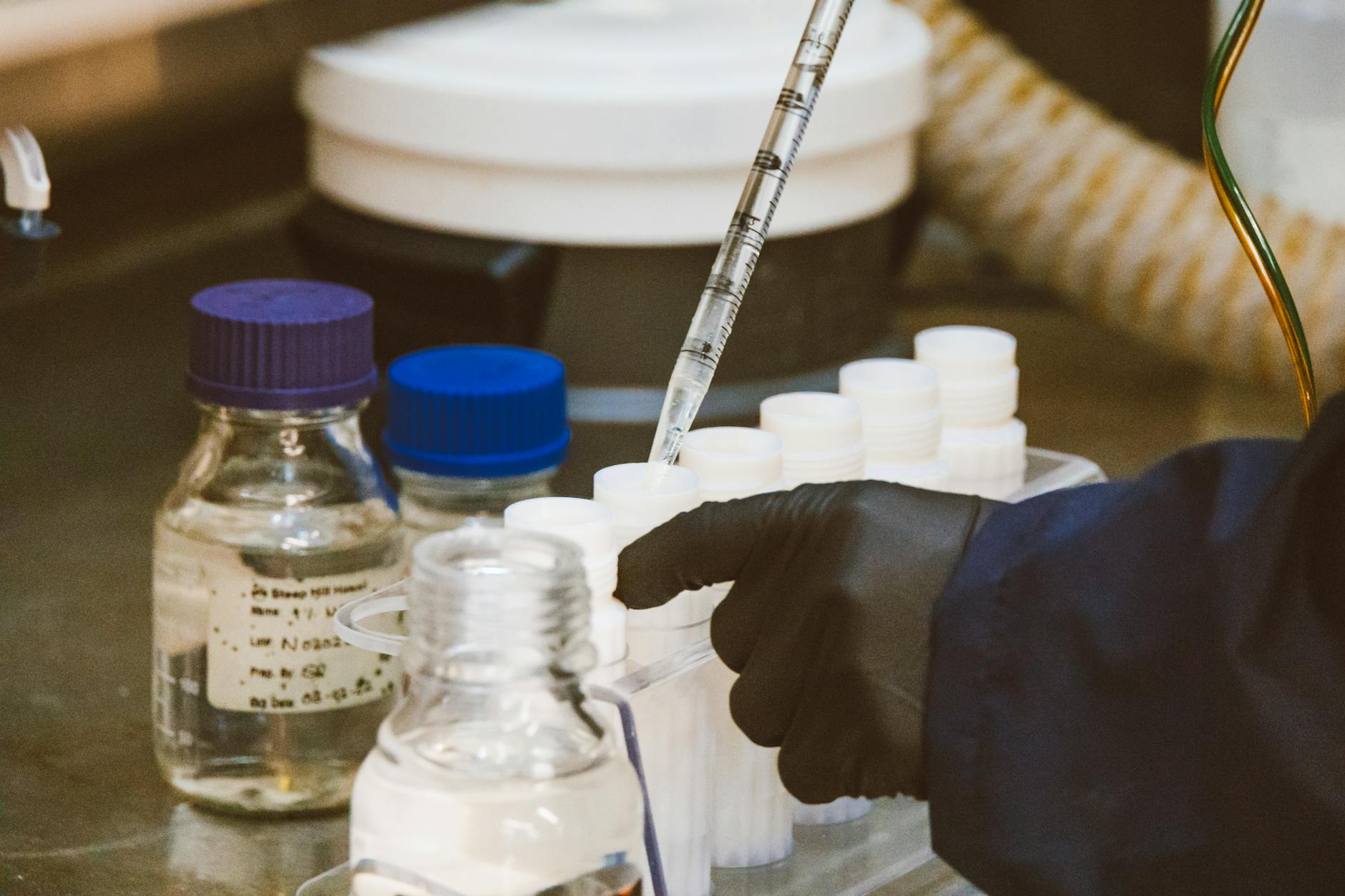
Laboratory testing confirmed that the new material removes up to 98% of PFAS at concentrations typically found in tap water. Furthermore, the material retained its effectiveness through at least five cycles of reuse.
"The adsorbent also demonstrated reusability, remaining highly effective after at least five cycles," Dr. Bloch said. "These results highlight its potential for integration into water filtration systems for polishing drinking water at the final stage of treatment."
PFAS are used extensively in industrial manufacturing, aviation firefighting foam, and various consumer goods. Because they do not break down easily, they have migrated into groundwater and surface water supplies globally, posing potential long-term risks to humans and wildlife.
The research received funding from the Australian Research Council and support from several Australian scientific organizations, including the ANSTO Australian Synchrotron and Microscopy Australia.