The intricate genetic landscape of Autism Spectrum Disorder (ASD), linked to hundreds of distinct gene mutations, has long obscured shared biological mechanisms. Researchers at UCLA and Stanford have leveraged advanced stem cell technology to map how these disparate genetic errors ultimately impact brain development, reporting a significant convergence on common molecular pathways.
Dr. Daniel Geschwind, senior author and Professor of Human Genetics at UCLA, noted that while genetics provides the starting point for understanding disease susceptibility, the tools to track these effects in the developing human brain have lagged. Previous analyses of postmortem tissue often capture the aftermath, not the dynamic process of early neurodevelopment, which is critical given that many autism-linked genes are highly active during early fetal stages.
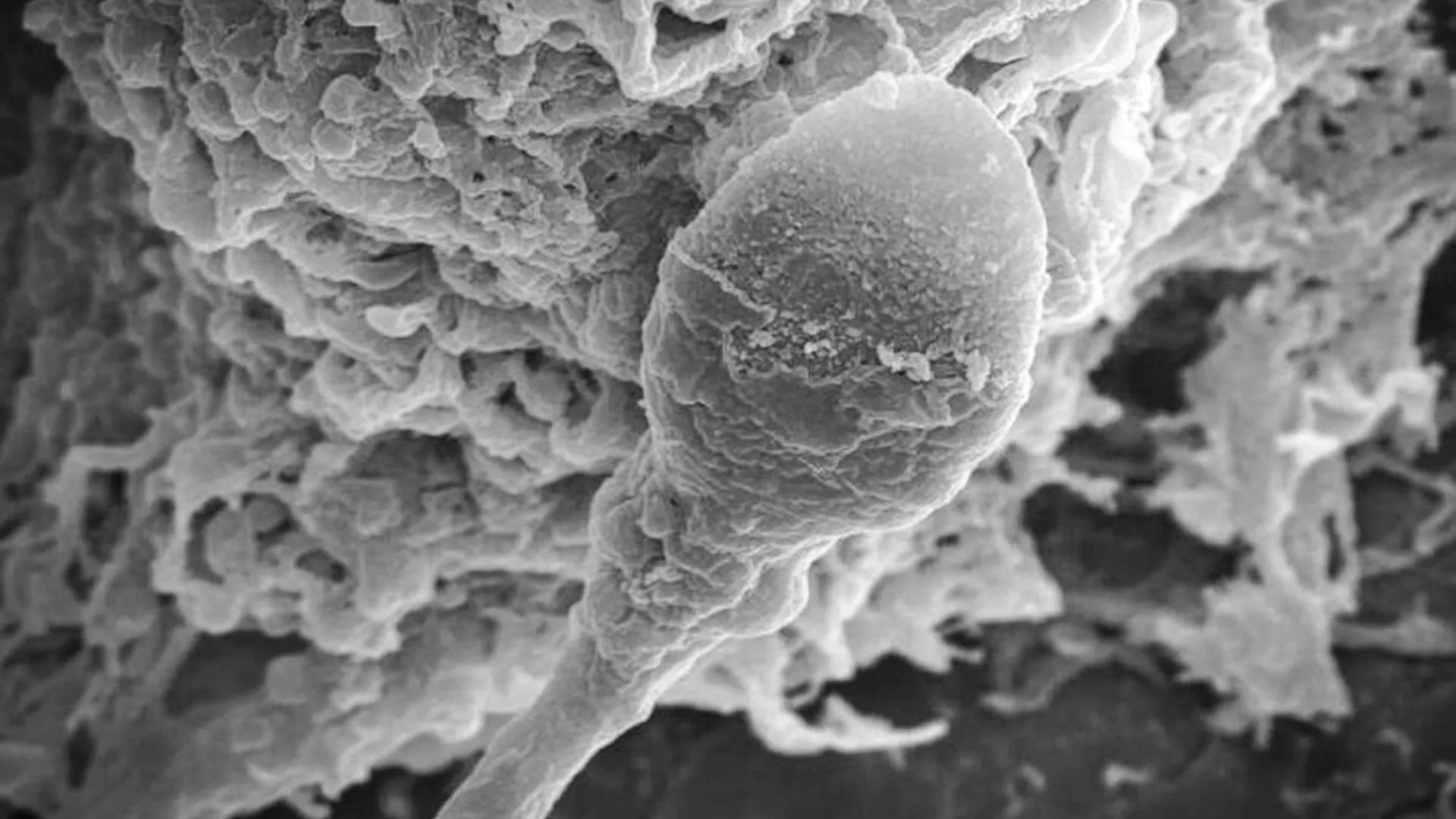
To overcome this observational gap, the team cultivated three-dimensional cortical organoids—lab-grown models mimicking early human brain architecture—from stem cells representing eight rare genetic forms of ASD, idiopathic cases, and neurotypical controls. This longitudinal study, spanning approximately 100 days of organoid growth, allowed for RNA sequencing at multiple developmental time points.
Initially, distinct mutations generated unique transcriptional profiles. However, as the organoids matured, these differences diminished, with gene activity patterns beginning to overlap significantly. “Think of it like different routes leading to similar destinations,” explained Dr. Geschwind. The shared pathways identified are fundamentally linked to neuron maturation, synapse formation, and, crucially, the high-level control of gene activity.
Further scrutiny pointed toward a network of regulatory genes responsible for organizing DNA structure and governing the transcription of downstream processes previously implicated in ASD. Functional validation using CRISPR-based methods in neural cells confirmed that disrupting these key regulators induced downstream molecular changes mirroring those observed in the autism models.
While the study illuminates a potential regulatory bottleneck common across diverse genetic causes, the researchers caution that the findings primarily relate to rare, single-gene forms of autism. Organoids derived from idiopathic cases—the majority of ASD diagnoses—showed less consistent convergence, reflecting the polygenic and distributed risk inherent in common autism presentations.
This work establishes a vital framework for translating genetic complexity into actionable biological insight, suggesting that therapeutic strategies might target these late-emerging, shared regulatory checkpoints rather than the initial, highly varied genetic hits. Future research will focus on integrating these findings with single-cell analysis to pinpoint cell-type specificity and bridge the molecular findings to behavioral correlates, an element currently absent in organoid models.
The study, published in *Nature*, underscores the power of human stem cell models in dissecting neurodevelopmental conditions during their most pertinent origins. (Source: UCLA Health Sciences press release)