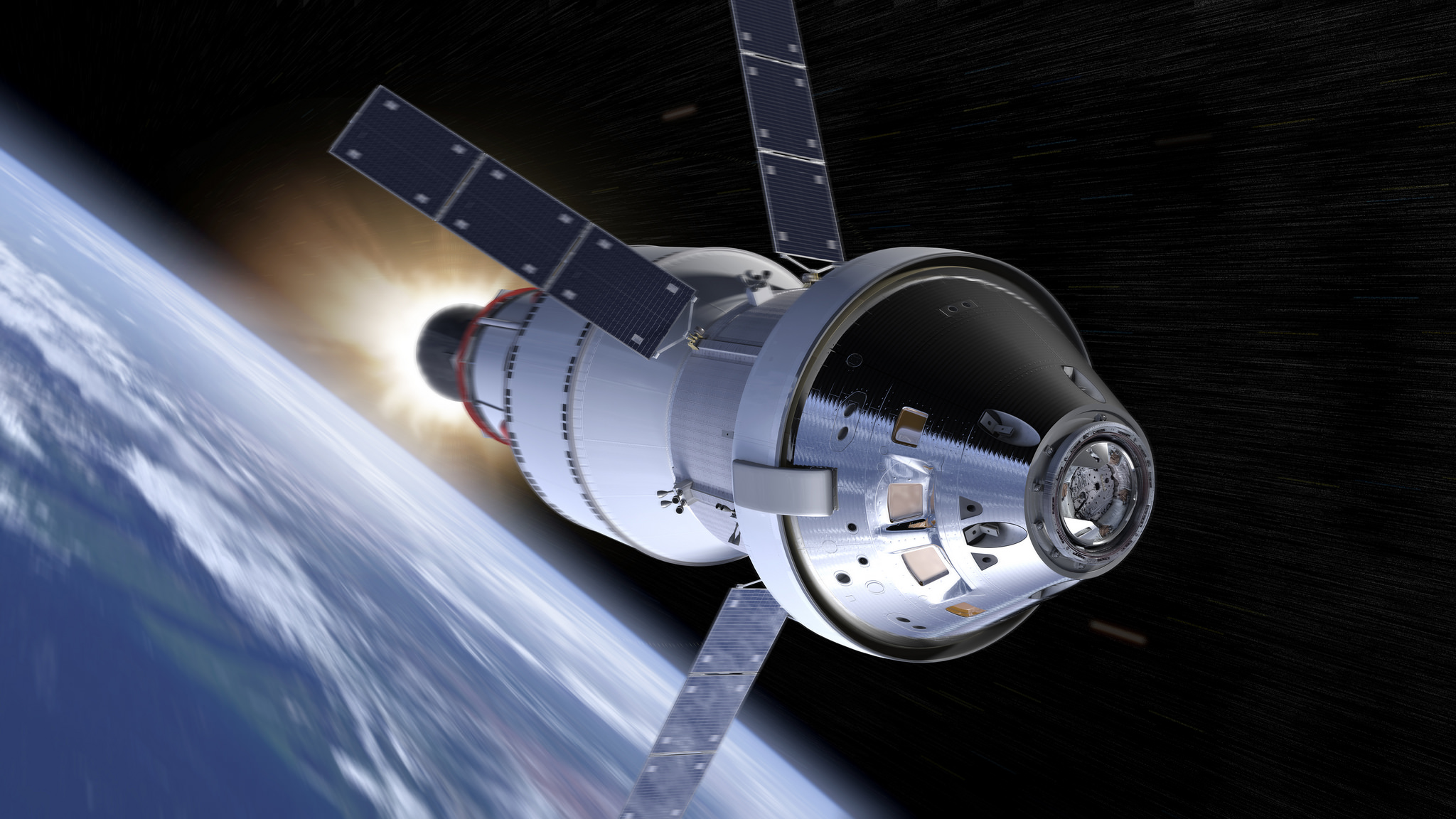
The crew of the Artemis II mission is currently en route to the moon after spending a successful day in Earth orbit. NASA confirmed the spacecraft transitioned to its lunar trajectory on April 3, 2026, following a series of critical systems checks.
Spectators gathered at the A. Max Brewer Bridge in Titusville, Florida, to witness the rocket’s initial launch on April 1. The mission represents the first crewed flight to the vicinity of the moon in over half a century.
A new era for lunar exploration
NASA’s Artemis II flight plan requires the crew to perform precise maneuvers to ensure the Orion spacecraft functions correctly before venturing further into deep space. Mission control engineers monitored the vessel closely during its initial orbital phase, confirming that life support and communication systems remained stable.
This mission serves as a vital precursor to future lunar landings. By testing the spacecraft with humans on board, NASA aims to validate the vehicle's performance in the harsh environment of space beyond low-Earth orbit.
The astronauts are scheduled to conduct several experiments during the transit. Their journey will take them around the far side of the moon before they begin the multi-day trip back to Earth.
NASA officials noted that the successful launch and orbital transition demonstrate the reliability of the Space Launch System rocket. The agency plans to use data from this flight to refine procedures for subsequent Artemis missions.