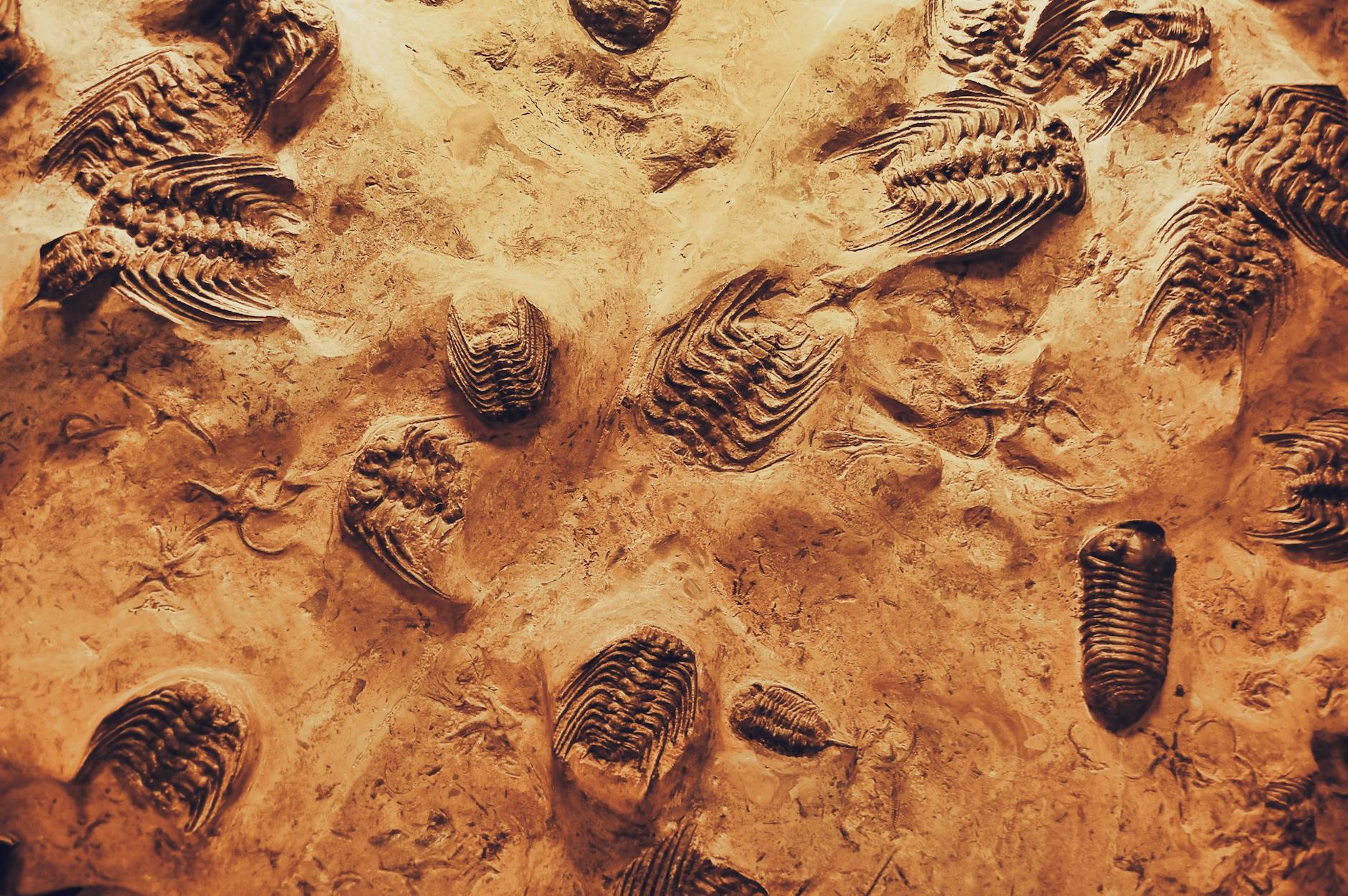
An international research team has discovered fossils of crinoids in Antarctica that survived the mass extinction event approximately 66 million years ago.
The study, published in Gondwana Research, indicates these echinoderms inhabited shallow waters before and after the asteroid impact.
This finding challenges previous assumptions regarding marine life migration patterns in high latitudes significantly and rewrites regional history regarding survival mechanisms.
Researchers found evidence of these sea lilies on Seymour Island, located on the northeastern Antarctic Peninsula.
Prior records suggested crinoids only appeared in the region during the Paleogene period following the extinction event.
The new data confirms their presence during the Late Cretaceous epoch without doubt.
The investigation involves collaboration between the Brazilian Antarctic Program and Chilean scientific institutions specifically.
Leslie Manríquez Márquez from the Chilean Antarctic Institute (INACH) contributed to the project through ANID funding.
Her team analyzed the paleobiological data alongside international colleagues to verify the timeline accurately for future paleontological studies.
Manríquez noted that these organisms lived in relatively shallow waters during a time when similar groups disappeared from such environments globally.
She stated that high-latitude ecosystems may have served as refuges for certain species during critical periods.
This suggests environmental conditions in Antarctica remained stable enough to support life during the crisis.
Until now, the fossil record in Antarctica showed a gap of millions of years for this specific group of echinoderms.
The discovery documents remains in both Late Cretaceous and Early Paleogene marine deposits effectively.
This closure fills a significant void in the geological history of high-latitude regions globally and enhances understanding of post-impact recovery.
Global trends typically show crinoids moving to deeper waters since the Late Mesozoic era began.
The study indicates this shift was not uniform across all geographic locations during that era.
Local factors like seabed stability likely allowed some populations to remain in shallow zones.
Preservation conditions varied among the found specimens, offering insights into the ancient seabed environment.
Some fossils retained original skeleton parts combined with minerals formed shortly after burial occurred.
Others were well-preserved without mineralization, indicating rapid burial in calm waters nearby.
Bruna Poatskievick from UNISINOS University highlighted that fossils do not require perfect preservation to yield scientific value.
She explained that many similar remains likely existed previously but received little attention from researchers.
Her analysis confirmed the presence of crinoids before the K-Pg boundary occurred.
The findings reveal that Late Cretaceous Antarctic marine ecosystems were more diverse and complex than previously imagined.
This information helps connect Cretaceous and Paleogene faunas within the region effectively.
It also paints a picture of a temperate continent rather than a frozen landmass entirely and suggests a warmer paleoclimate history.
Future research will likely focus on understanding how regional climate shifts influenced these survival mechanisms.
Scientists aim to refine models regarding biodiversity during mass extinction events using this data.
Continued study of the Antarctic Peninsula promises further geological revelations for the team.