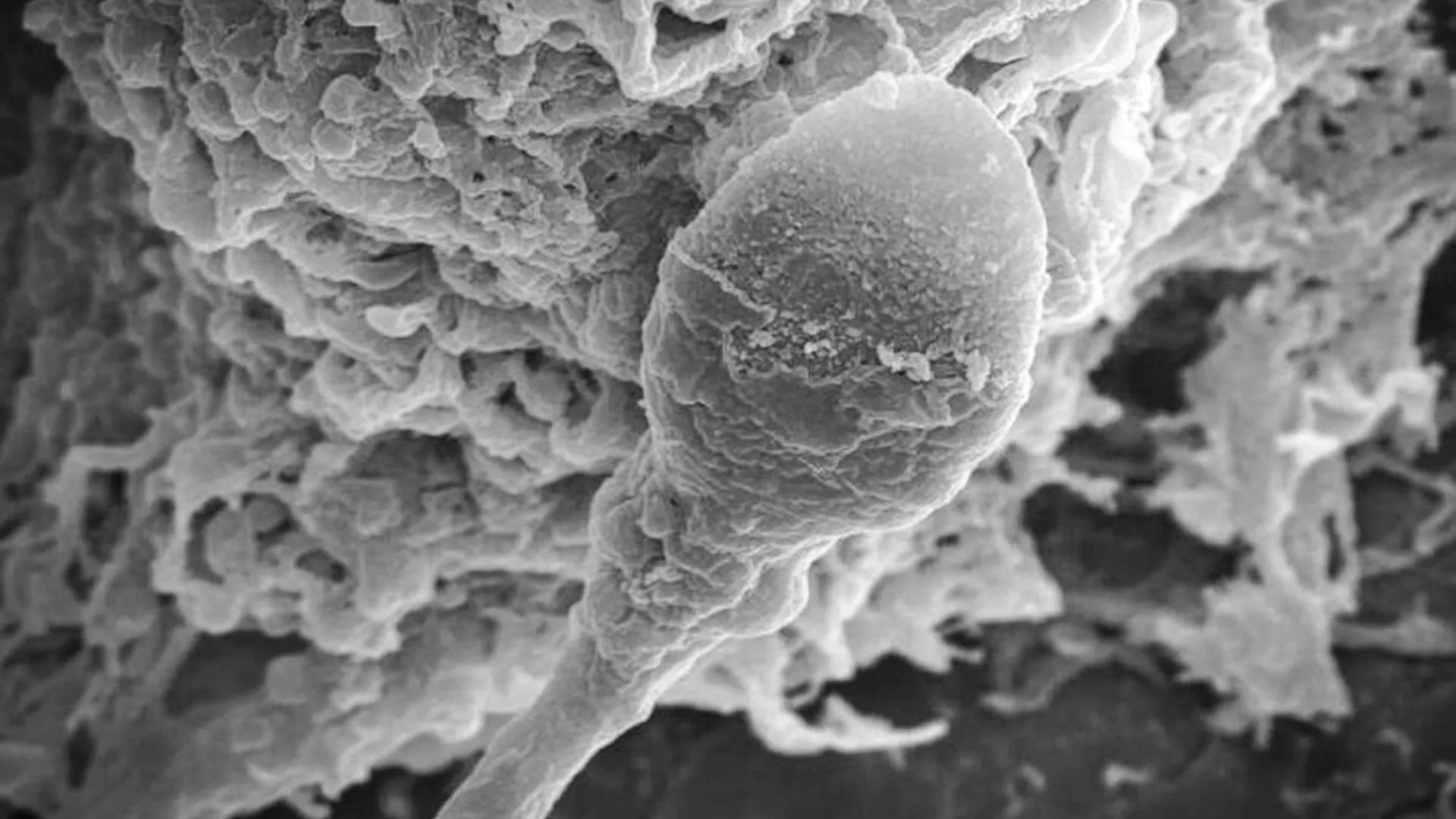
Adelaide University researchers discovered that sperm struggle to navigate in low gravity environments significantly. The study suggests this challenge complicates long-term human reproduction plans for future space missions. Scientists utilized a specialized machine to simulate microgravity conditions for the experiment carefully.
Navigation Challenges in Space
Researchers tested sperm samples from three different mammals including humans during the trial period. They employed a 3D clinostat machine developed by Dr. Giles Kirby at Firefly Biotech to mimic zero gravity. This device continuously rotates cells to reproduce the disorienting effects found in space environments.
The team sent the samples through a maze designed to resemble the female reproductive tract accurately. Results showed a significant reduction in the number of sperm successfully finding their way through the chamber. This loss of direction occurred despite no changes to the physical movement of the cells.
"This is the first time we have been able to show that gravity is an important factor in sperm's ability to navigate," Dr. Nicole McPherson said.
Reproductive Viability
Adding the sex hormone progesterone improved how well human sperm navigated under simulated microgravity conditions significantly. Researchers believe progesterone released from the egg helps guide sperm to the fertilization site effectively. Exposure to simulated zero gravity for four hours reduced successfully fertilized mouse eggs by 30%.
Prolonged exposure appeared to be even more detrimental resulting in significant development delays. Some cases showed reduced cells that go on to form the fetus in the earliest stages of embryo formation. Dr. McPherson noted the reduction happened across all models tested during the controlled conditions.
"These insights show how complex reproductive success in space is and the critical need for more research," she said.
This study was conducted in collaboration with the Andy Thomas Centre for Space Resources at Adelaide University. The centre focuses on the challenges of long-term space exploration and living beyond Earth. Understanding these biological hurdles is essential for planning future Moon and Mars settlements which require significant investment.
"As we progress toward becoming a spacefaring or multi-planetary species, understanding microgravity effects is critical," Associate Professor John Culton said.
The next phase will explore different gravity environments on the Moon and Mars. These findings will help design artificial gravity systems that support healthy development within international space infrastructure. Dr. McPherson added that many healthy embryos were still able to form even when fertilized under these conditions.