Researchers at Harvard University have identified a 500-million-year-old fossil discovered in Utah’s West Desert as the earliest known relative of modern spiders, scorpions, and horseshoe crabs. The specimen, namedMegachelicerax cousteaui, provides the first clear evidence that the defining anatomical features of these predators existed during the Cambrian period.
The discovery occurred during routine preparation of a Cambrian arthropod fossil. Research scientist Rudy Lerosey-Aubril, who spent over 50 hours cleaning the specimen under a microscope, noticed a claw in a location where no such appendage had previously been documented in creatures of that era.
"Claws are never in that location in a Cambrian arthropod," Lerosey-Aubril said. "It took me a few minutes to realize the obvious; I had just exposed the oldest chelicera ever found."
A blueprint for modern predators
Published in the journalNature, the study details how the eight-centimeter-long predator possessed a head shield and nine body segments. The presence of a chelicera—the pincer-like appendage used for grasping and venom delivery—distinguishes the creature from insects, which utilize antennae. The fossil also featured plate-like respiratory structures similar to the book gills found on living horseshoe crabs.
Associate Professor Javier Ortega-Hernández, a curator at the Museum of Comparative Zoology, noted that the find reconciles long-standing debates regarding how the complex anatomy of chelicerates evolved. The fossil acts as a transitional link between earlier, simpler Cambrian arthropods and later species.
"Megachelicerax shows that chelicera and the division of the body into two functionally specialized regions evolved before the head appendages lost their outer branches and became like the legs of spiders today," Ortega-Hernández said. "In a way, everybody was partly right."
Previously, the oldest known chelicerates dated back roughly 480 million years to the Early Ordovician period in Morocco. This new discovery pushes that timeline back by 20 million years, placingM. cousteauinear the very base of the chelicerate lineage.
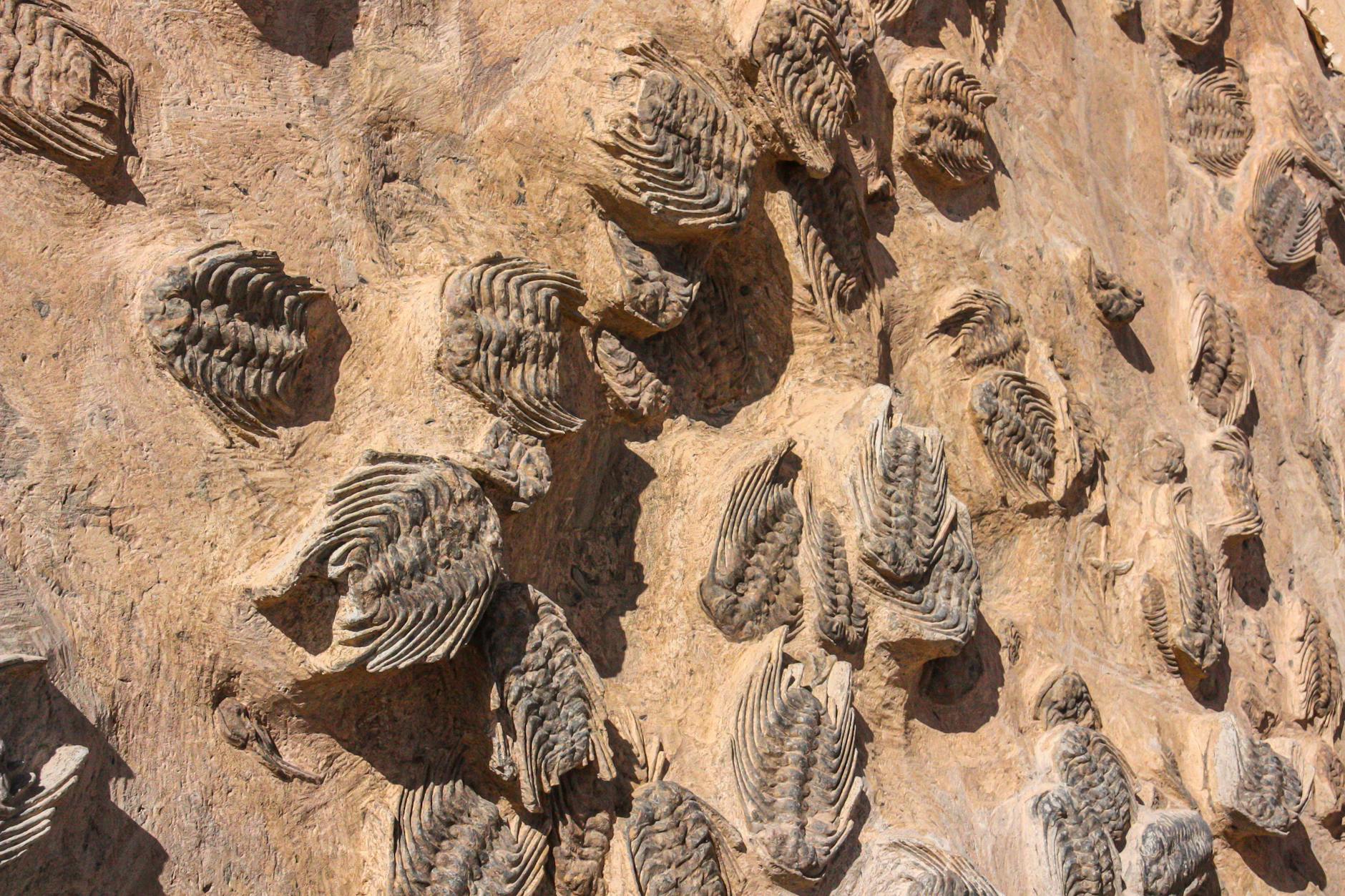
Despite these advanced biological innovations, the researchers noted that the group did not immediately dominate marine ecosystems. For millions of years, they remained relatively rare, overshadowed by more successful groups like trilobites. The discovery underscores that evolutionary success often depends as much on environmental context and timing as it does on biological development.