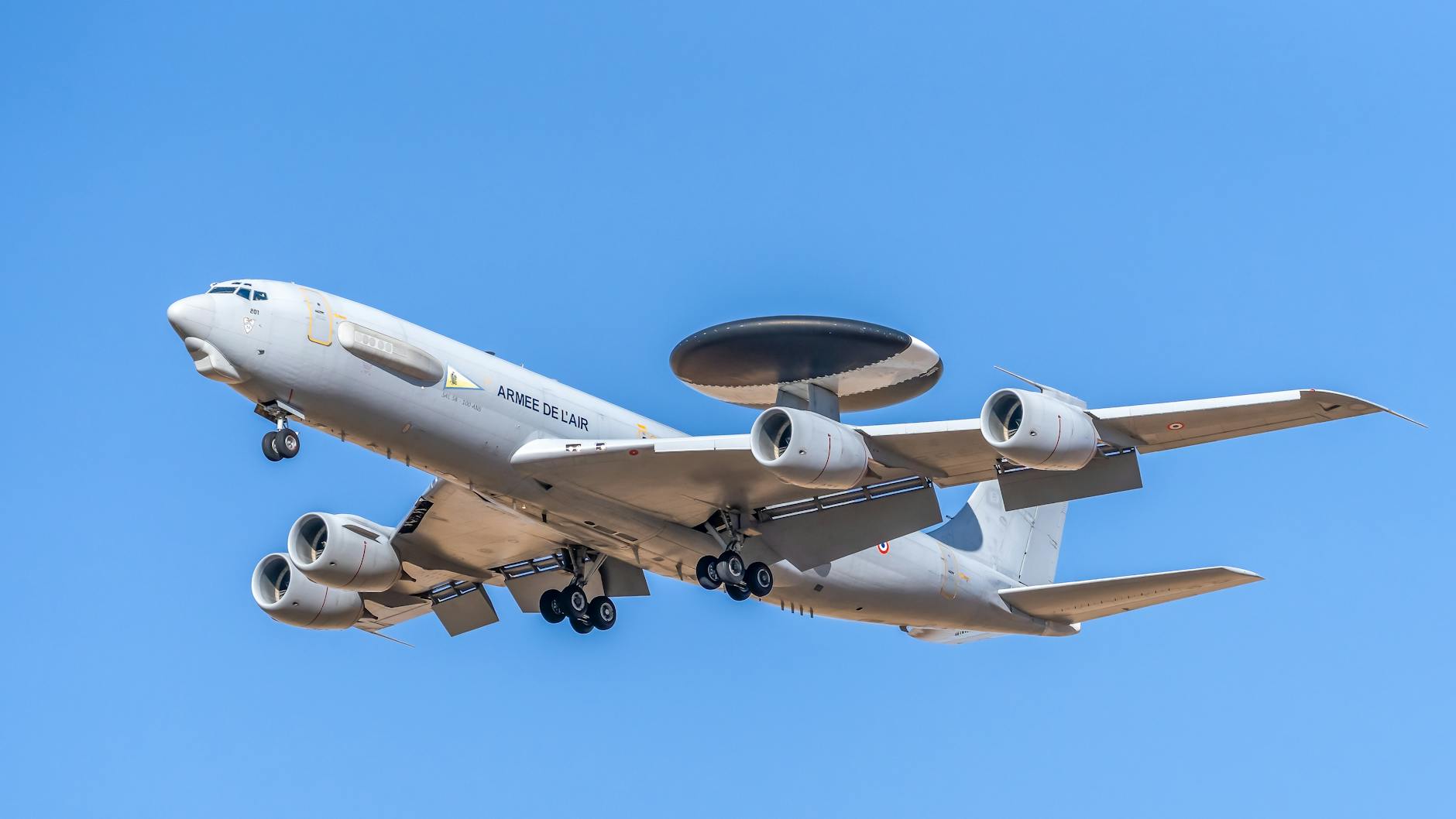
Recent observations of United States military aircraft traversing airspace over Spain have drawn significant attention to logistical patterns that impact regional security dynamics across the Atlantic. While the specific flight path involves the Iberian Peninsula, the underlying efficiency strategies resonate with defense planners in South America regarding airspace usage. Santiago, Chile, monitors similar transit corridors to maintain sovereignty and economic stability within the Pacific region. These movements highlight the complex interplay between global military logistics and national airspace management protocols.
A detailed report from El Correo Gallego identifies frequent transits by large cargo planes originating from the Naval Base in Rota. Susana Romero, an experienced air traffic controller based at Lavacolla Tower, explains the routing decisions to the publication directly. She notes that these aircraft often exceed 75,000 feet when passing over the airport in Santiago de Compostela during their journey. This altitude ensures that commercial traffic remains unaffected during high-volume military operations in the area.
The primary drivers for these routes are jet streams and orthodromic navigation paths that optimize fuel consumption significantly for long distances. Natural air currents allow aircraft to save time and resources during long-haul transoceanic crossings between continents. Romero states that British provider Nats publishes daily oceanic routes to assist in this optimization process. These technical factors reduce operational costs for the United States Air Force during deployments and training missions.
Similar logistical considerations apply to United States movements within the Western Hemisphere and its strategic partners. Chile serves as a strategic node for Pacific access and often hosts joint military exercises with North American forces. Defense analysts in Santiago track these patterns to assess potential changes in regional security posture and defense spending. The efficiency gains seen in Europe mirror the priorities of the Chilean Armed Forces regarding resource management.
Economic implications extend beyond fuel savings to broader defense budget allocations across the Americas and international markets. Reduced fuel burn rates allow for longer mission durations without refueling stops which impacts overall mission planning. This capability enhances rapid response times during humanitarian crises or security threats in the region significantly. Chile benefits from these efficiencies through shared infrastructure and training opportunities with allied nations.
Geopolitical tensions influence how nations perceive foreign military aircraft overflights without prior diplomatic warning or notification. Chile maintains a policy of neutrality while cooperating with key allies on defense matters and strategic initiatives. Airspace sovereignty remains a sensitive topic for governments managing heavy international traffic within their borders. Monitoring tools must balance transparency with national security interests effectively to maintain public trust.
Climate change may alter jet stream patterns, forcing new flight corridors over the Southern Hemisphere in the coming decades. Meteorological shifts could impact the cost of logistics for military operations in Latin America and nearby regions. Planners in Washington and Santiago must adapt to these environmental variables for future missions and budget planning. Continued research into atmospheric conditions is essential for long-term planning and fiscal responsibility.
Future developments in airspace management will likely require enhanced cooperation between hemispheric nations to ensure safety. Regulatory frameworks will need to address the growing volume of non-commercial military transit across international zones. Observers in Santiago will watch for policy shifts regarding foreign base access and overflight rights carefully. The situation in Spain offers a model for managing complex airspace usage and international cooperation.