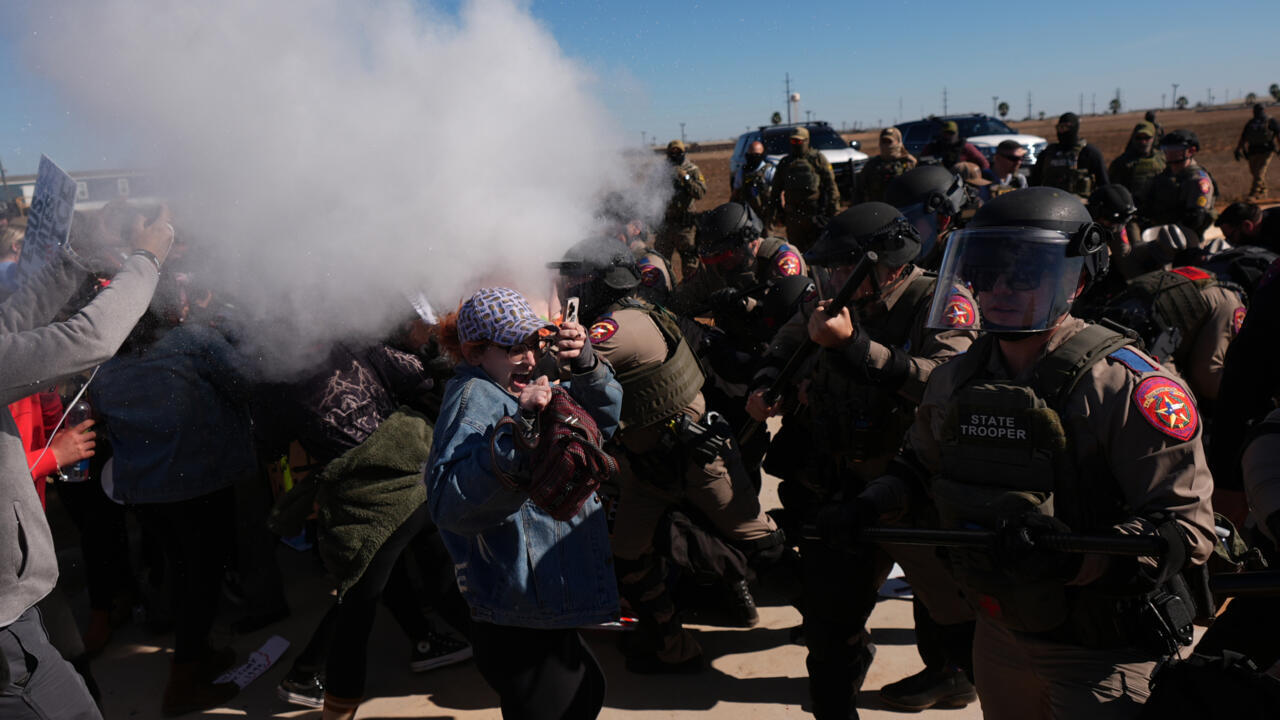
U.S. border official Tom Homan, recently tasked with commanding the immigration enforcement surge in Minneapolis, stated federal agents will now prioritize targeted operations over the widespread street sweeps that provoked significant local resistance. Homan made these remarks on Thursday, acknowledging deficiencies in the initial deployment following national outcry and two recent fatal officer-involved shootings.
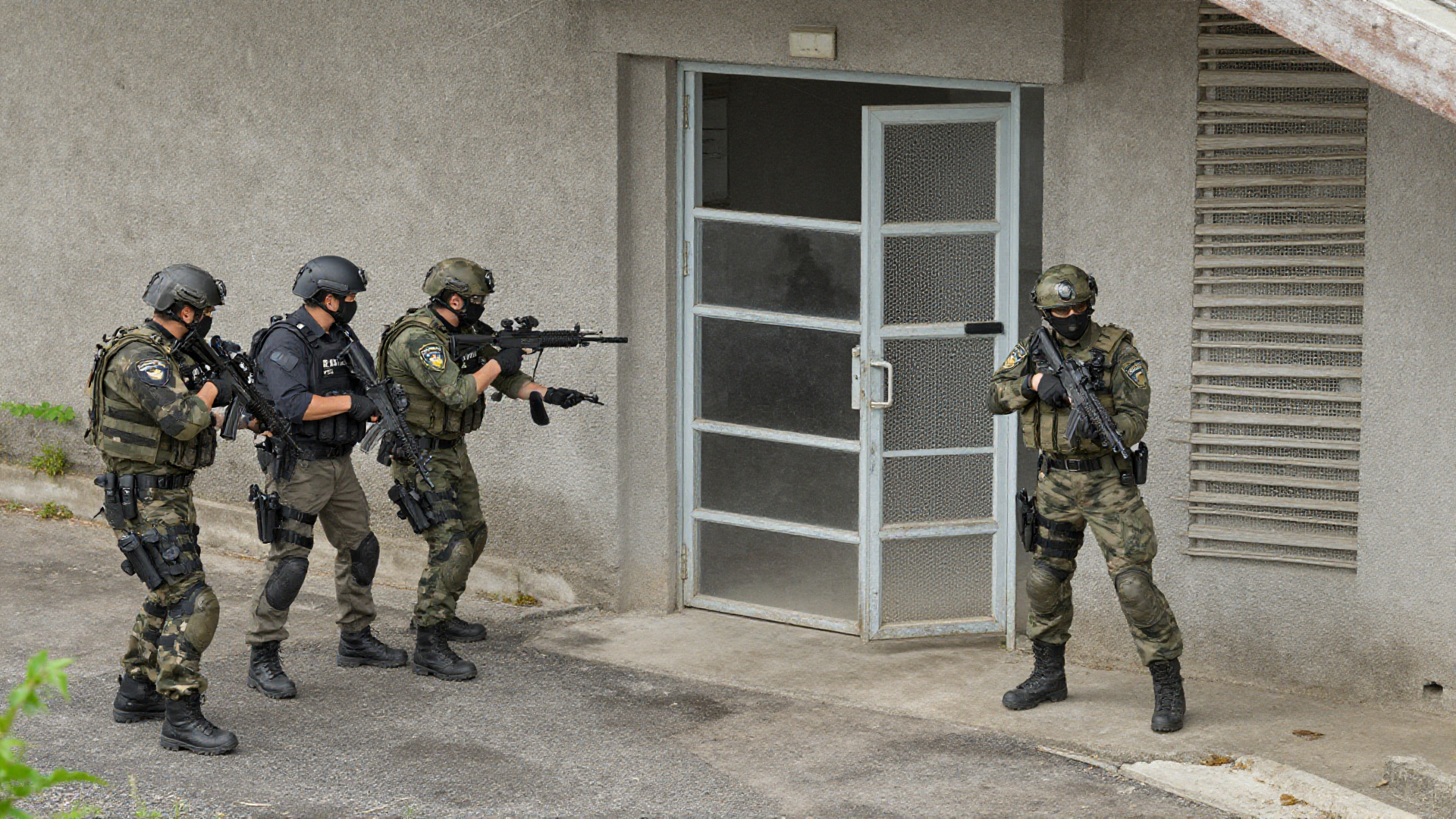
According to internal guidance reviewed by Reuters, Immigration and Customs Enforcement (ICE) officers have been directed to avoid engaging with individuals labeled as "agitators" to de-escalate tensions. Furthermore, directives mandate that operations must now focus exclusively on immigrants with existing records of criminal charges or convictions, marking a departure from indiscriminate stops.
Homan emphasized that while the strategy is becoming "smarter," the administration remains committed to its broader deportation mission. He suggested that increased access to Minnesota jails for ICE agents to process detainees upon release would reduce the necessity for disruptive field operations.
This operational adjustment follows intensifying political pressure on the administration after federal agents fatally shot two individuals, Renee Good and Alex Pretti, in separate incidents in early January. Union representatives defended the experience level of the agent involved in the Pretti shooting, although video evidence reportedly contradicted official accounts regarding immediate threat levels.
Separately, the highly charged political environment in Minneapolis was underscored by the assault charge filed against a man who sprayed Democratic Representative Ilhan Omar with liquid at a town hall. The suspect reportedly expressed support for President Trump on social media, while Omar blamed the attack on the President's rhetoric.
To further streamline operations, Homan indicated that the 3,000-strong deployment could see reductions if state and local leaders offer greater cooperation. He cited constructive meetings with Governor Tim Walz and Mayor Jacob Frey as a positive sign for future coordination between federal and municipal authorities.
These evolving tactics suggest an attempt by the administration to manage negative publicity and reduce friction in politically sensitive urban centers while maintaining core enforcement objectives. The focus now shifts to measuring the efficacy of these more constrained, intelligence-driven enforcement actions.