US congressional Republicans and Democrats agreed to advance a significant portion of the required government funding package on Thursday, according to statements endorsed by the incumbent US President. This action addresses funding needs for the Defense, Treasury, and Health departments, among others, extending appropriations through September 30, 2026.
Crucially, the agreement separates the funding for the Department of Homeland Security (DHS), which will continue operating under existing funding levels for a further two weeks. This separation provides negotiators additional time to resolve deep divisions concerning immigration enforcement tactics and agency oversight, as reported by CBS News.
Opposition materialized quickly, with Republican Senator Lindsey Graham announcing a hold on the package, citing dissatisfaction with the repeal of a law related to compensation for senators affected by the January 6 Capitol riot investigations. Graham also expressed frustration regarding the exclusion of provisions targeting sanctuary cities from the main spending bills.
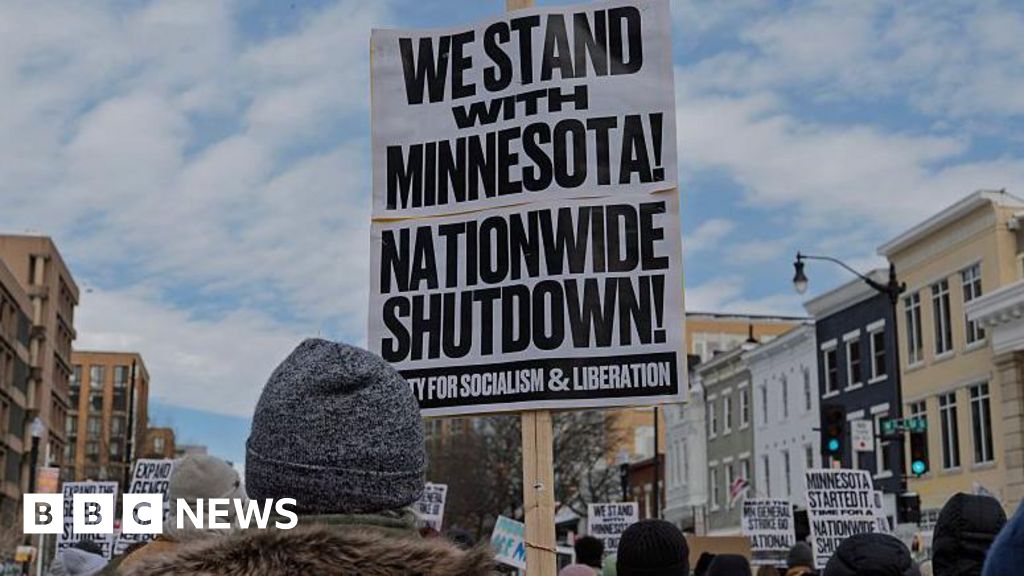
Democrats have intensified demands for structural changes within DHS agencies, including Immigration and Customs Enforcement (ICE) and Customs and Border Protection (CBP), following recent fatal incidents involving federal agents in Minneapolis. Senate Democrats have been vocal about requiring warrants for arrests and clearer identification protocols for federal agents.
The initial, comprehensive six-bill package failed a procedural vote in the Senate earlier in the day, underscoring the difficulty in securing the necessary 60 votes to advance legislation in the 100-member body.
Because the DHS component was stripped out, the remaining five-bill package must now return to the House of Representatives for re-approval before the Friday midnight deadline. This procedural step risks a partial lapse in funding for the included departments over the weekend until the House convenes on Monday.
While a full government shutdown is averted due to prior funding measures for dozens of agencies, any lapse would impact essential DHS personnel who would continue working without immediate pay restoration, mirroring past funding disputes.