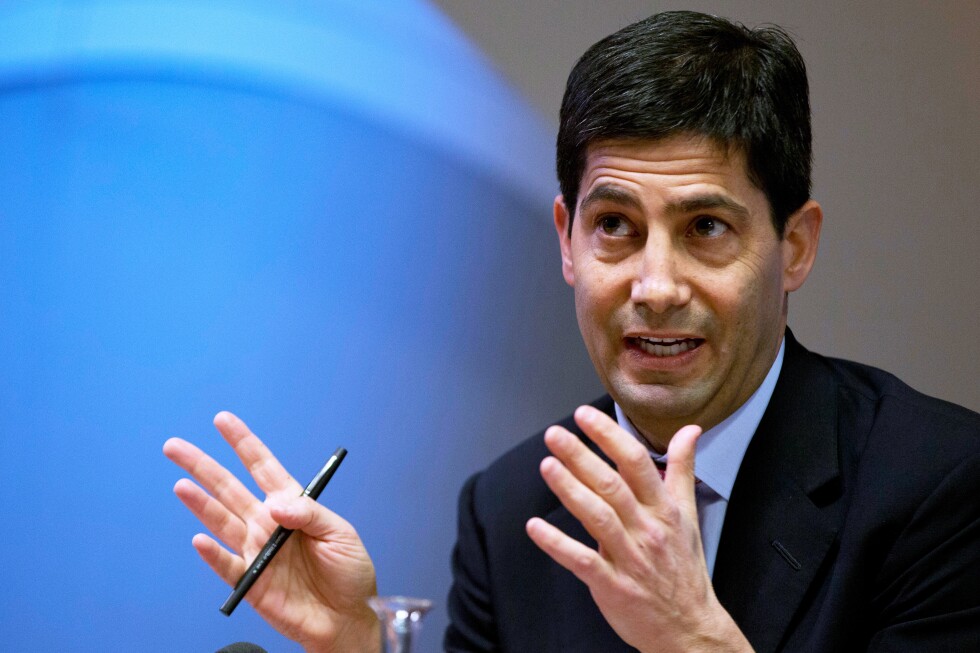
President Donald Trump stated his intention to nominate former Federal Reserve Governor Kevin Warsh to lead the central bank, replacing current Chair Jerome Powell when his term concludes in May. Warsh’s ascension to the role, which oversees the world’s most influential monetary body, is expected to bring significant shifts in policy approach, according to reports.
Warsh, currently a fellow at the Hoover Institution, must secure Senate confirmation for the appointment, a process complicated by existing political tensions surrounding the Fed's independence. Former associates suggest Warsh possesses the necessary diplomatic acumen to manage the inherent conflict between presidential expectations and central bank autonomy, as noted by University of Chicago Professor Raghuram Rajan.
Financial markets reacted swiftly to the announcement, with yields on long-term U.S. Treasurys ticking higher and U.S. stocks falling approximately 0.5%, reported by AP News. Volatile metals markets saw significant movement, as gold dropped more than five percent and silver fell over thirteen percent, reflecting investor anticipation of altered rate expectations.
Warsh’s previous tenure as a governor from 2006 to 2011 showed a tendency toward favoring higher interest rates to preempt inflation, contrasting with Trump’s stated desire for lower borrowing costs. However, Warsh has recently adjusted his public commentary to support lower rates, drawing criticism from Democrats like Senator Elizabeth Warren, who alleged a shift to appease the President.
Complications for confirmation have already emerged in the Senate, where Republican Senator Thom Tillis indicated opposition until a Justice Department inquiry involving Powell concludes. Senate Majority Leader John Thune suggested that securing Warsh's confirmation would likely prove difficult without Tillis's support, underscoring the fragility of the nomination.
Beyond interest rates, Warsh has been critical of the Fed's substantial balance sheet, accumulated through quantitative easing programs following past crises. He argues that this accumulation permitted excessive fiscal spending by Congress, suggesting a focus on balance sheet reduction if confirmed, an exercise fraught with financial system risks.
The nomination occurs amid heightened executive branch pressure on the central bank, including Trump's earlier attempt to remove Governor Lisa Cook, whose legal challenge is currently pending before the Supreme Court. Warsh’s stated views align with Trump on deregulation and productivity gains from artificial intelligence lowering inflationary pressures, according to a January 2025 column in The Wall Street Journal.