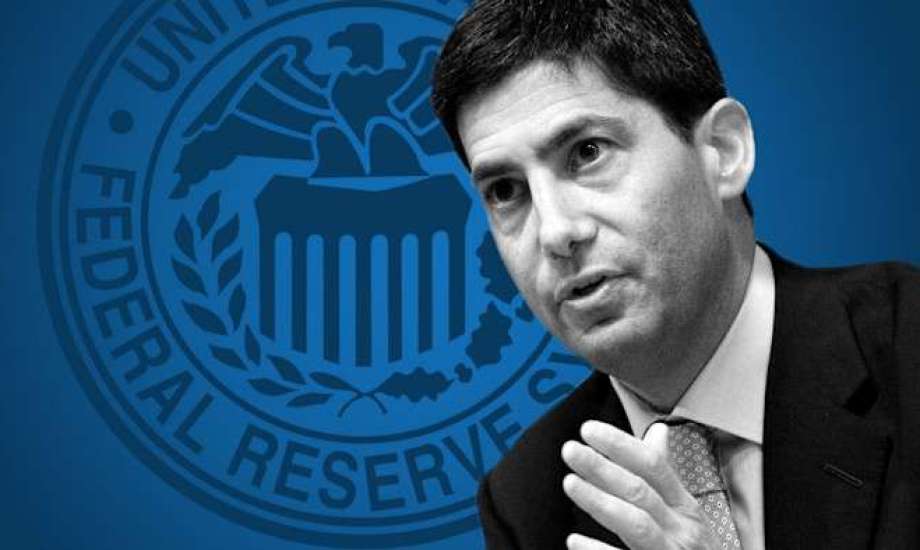
U.S. President Donald Trump declared his intention to nominate Kevin Warsh as the seventeenth Chair of the Federal Reserve, contingent on succeeding incumbent Jerome Powell when his term concludes in May 2026, according to a post on his Truth Social platform. This selection places a key economic policy position squarely in the political spotlight, aligning with Trump's stated agenda to reduce national living costs.
Warsh previously served as a Governor on the Federal Reserve Board, joining in 2006 as the youngest member ever appointed to the governing council at age thirty-five. Observers note that Warsh is considered a relatively traditional candidate with prior White House experience under President George W. Bush, though his policy stance appears to be evolving.
Recent public statements indicate a notable pivot in Warsh’s monetary outlook; once recognized for a strong anti-inflation bias, he has recently supported interest rate reductions. This shift is noteworthy given historical data from the 2009 financial crisis, where Warsh expressed greater concern over inflation risks than downside economic risks, according to published Fed meeting minutes.
The nomination follows an intense selection process reportedly led by Treasury Secretary Scott Bessent, whose initial shortlist included around a dozen candidates. Warsh currently serves as a visiting fellow at the conservative-leaning Hoover Institution, affiliated with Stanford University.
Confirmation in the Senate Banking Committee is expected to feature intense questioning regarding Warsh’s recent reversal on rate policy and any commitments made to the Administration. Concerns persist among some lawmakers regarding Trump’s repeated criticisms of the Fed’s independence and an ongoing investigation into current Chair Powell.
Furthermore, Warsh’s familial connections, specifically his relationship with prominent Republican donor Ronald Lauder, are expected to be scrutinized during confirmation hearings. The prospect of a politically charged confirmation process heightens concerns about undermining the central bank’s historically autonomous operational framework.
If confirmed, Warsh’s tenure would commence amid heightened political sensitivity toward inflation and employment figures, as the Administration seeks monetary policy accommodation. Economists will closely monitor whether his historical anti-inflationary instincts override recent public endorsements of rate easing.