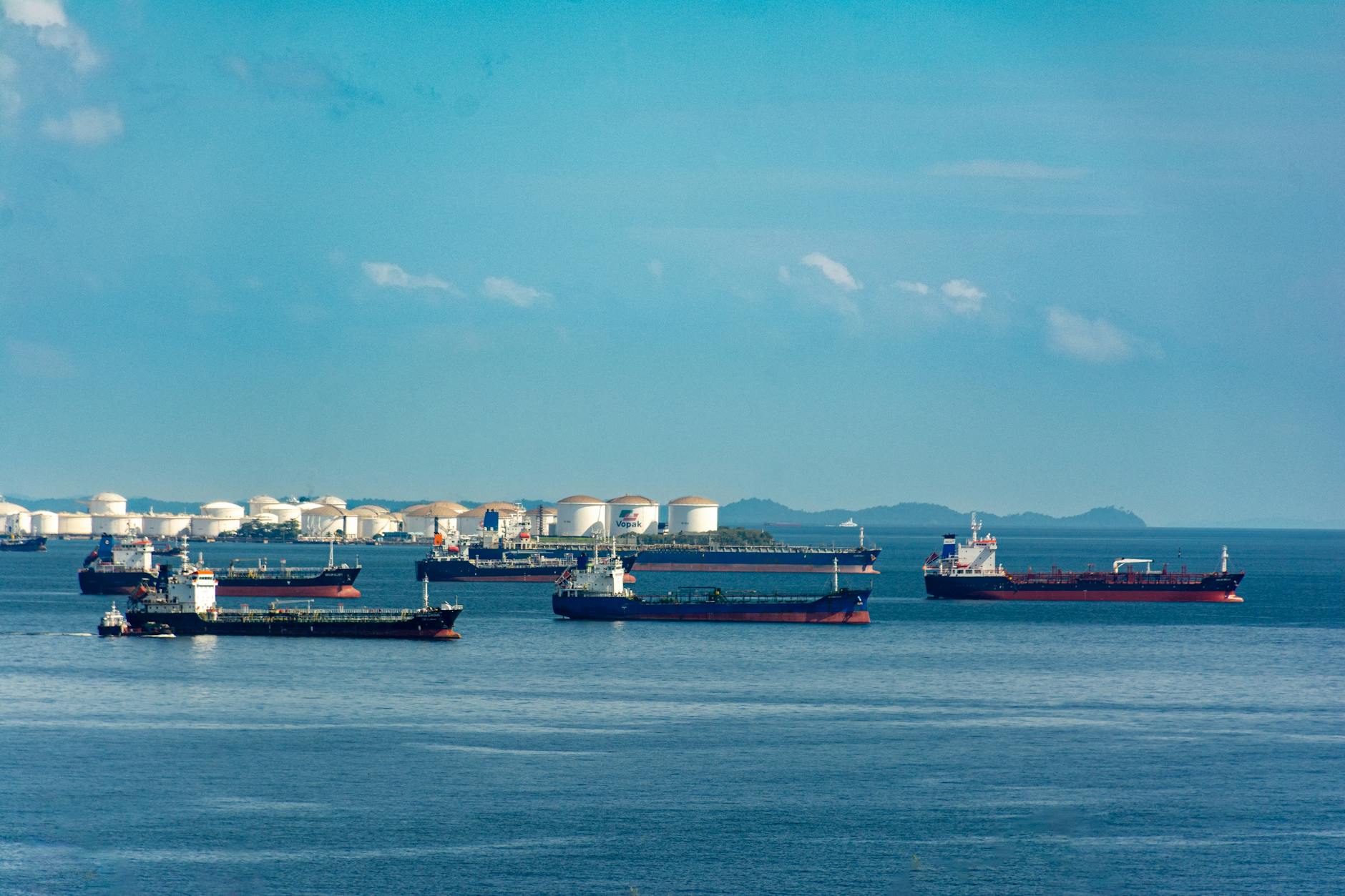
A Shadow Fleet Under Surveillance
The Caribbean is currently the site of a tense geopolitical tug-of-war as two oil tankers, suspected of carrying Russian fuel, navigate toward a confrontation with U.S. maritime authorities. The primary vessel in question, the Hong Kong-flaggedSea Horse, has drawn intense scrutiny after erratic behavior in the Sargasso Sea. According to energy expert Jorge Piñón of the University of Texas at Austin, the vessel spent weeks broadcasting that it was “not under command,” a move analysts suspect was a cover for “spoofing”—the intentional manipulation of tracking signals to hide its true route.
While theSea Horseis now reportedly moving toward the Cuban coast, a second vessel, the U.S.-sanctionedAnatoly Kolodkin, is also being tracked in the region. These movements represent a critical test of the United States’ escalating pressure campaign, which aims to cut off the flow of energy resources to the island nation.
The Maritime Blockade
The U.S. government has positioned at least two Coast Guard cutters off the northeastern coast of Cuba, specifically between Moa and Puerto Padre. This deployment, supported by broader regional surveillance assets, functions as an effective maritime blockade. Despite the redeployment of major aircraft carriers like the USSGerald Fordto the Middle East, military experts maintain that the U.S. retains significant air and naval capabilities to monitor and intercept any vessel attempting to bypass sanctions.
Evan Ellis, a professor at the U.S. Army War College, expressed skepticism regarding the possibility of a clandestine delivery. “You just can’t sneak a tanker into Cuba without somebody noticing,” Ellis noted, suggesting that theSea Horse’sstrange behavior might stem from mechanical failures common to aging "shadow fleet" vessels rather than a deliberate attempt to evade detection.
A Nation in the Dark
The stakes for Cuba could not be higher. The country is currently enduring its most severe energy crisis in decades, exacerbated by a total nationwide blackout on March 16. The collapse of traditional supply chains—most notably the halt of Venezuelan shipments following the U.S. takeover of PDVSA and the cessation of Mexican deliveries—has left the island’s infrastructure in tatters.
Diesel, in particular, has become a lifeline for the Cuban economy, essential for electricity generation, food distribution, and water pumping. Reports indicate that aid is currently sitting idle in ports simply because there is no fuel to power the trucks required for transport. This desperation has fueled 11 consecutive nights of protests, as citizens take to the streets to voice their frustration over the deepening humanitarian and economic instability.
Ambiguity in Sanctions Policy
The situation is further complicated by shifting U.S. sanctions policy. While the Trump administration has signaled some flexibility regarding Russian oil shipments to major global markets in the wake of the Strait of Hormuz crisis, it remains unclear whether these exemptions apply to Cuba. Experts like Piñón are calling for greater clarity from Washington, noting that current directives leave significant room for interpretation regarding humanitarian aid versus government-benefiting imports. As theSea Horseapproaches the Caribbean, the world waits to see whether the vessel will attempt a breach of the blockade or if the U.S. will be forced to intervene in an already volatile region.