A Diplomatic Impasse
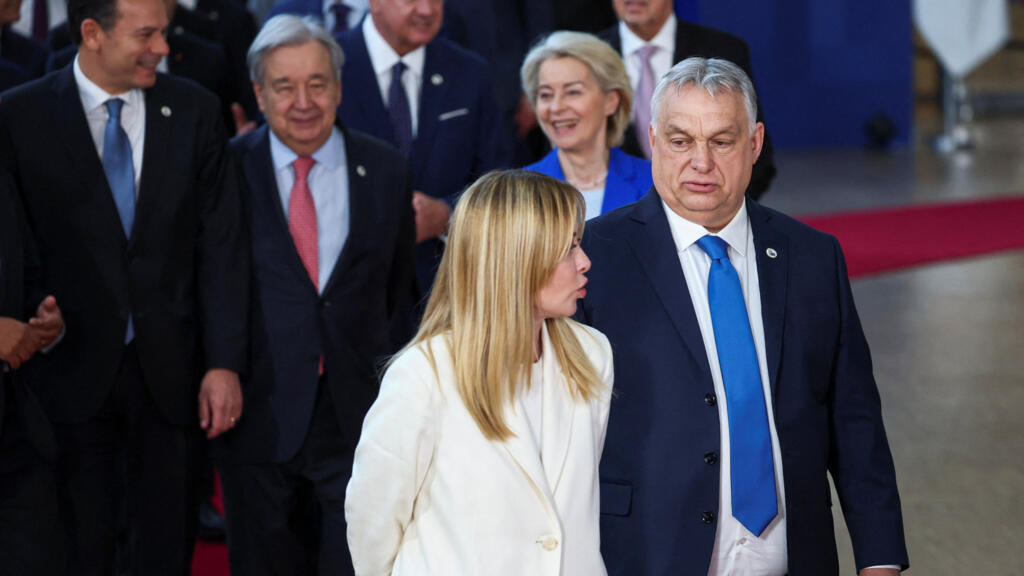
European Union leaders concluded a high-stakes summit in Brussels on Thursday without reaching a breakthrough on a vital €90 billion financial support package for Ukraine. The initiative, intended to provide long-term fiscal stability for Kyiv’s war effort, remains stalled due to a persistent veto from Hungarian Prime Minister Viktor Orban. Despite concerted pressure from his European counterparts, Orban refused to lift his blockade, leaving the funding in a state of diplomatic limbo.
The impasse centers on a contentious dispute regarding a pipeline that traverses Ukrainian territory. The infrastructure, which is essential for transporting Russian oil to both Hungary and Slovakia, has suffered significant damage, leading to supply disruptions that Budapest and Bratislava claim are being ignored by Kyiv.
The Election Factor
Analysts and EU diplomats suggest that the timing of Orban’s obstruction is deeply rooted in domestic politics. With national elections scheduled for April 12, the Hungarian leader has increasingly leaned into anti-EU and anti-Ukrainian rhetoric to appeal to his electoral base. By positioning himself as a defender of Hungarian energy security against what he characterizes as Ukrainian indifference, Orban is leveraging the conflict to bolster his nationalist credentials.
“The Hungarian position is very simple,” Orban stated upon his arrival at the summit. “We are ready to support Ukraine when we get our oil, which is blocked by them.”
While the European Commission has attempted to mediate by deploying a technical team to facilitate pipeline repairs, Orban has dismissed these efforts as a “fairy tale,” signaling a refusal to compromise until his specific demands are met. EU officials, speaking on condition of anonymity, expressed frustration with the tactic, noting that the bloc will need to find “creative” solutions to navigate the deadlock.
A Growing Rift
European Union foreign policy chief Kaja Kallas issued a stern warning prior to the summit, emphasizing that it is “really, really time” to finalize the financial support package. The aid, which was initially agreed upon in principle by all 27 member states last December, is seen as a cornerstone of the EU’s commitment to Ukraine’s defense and economic resilience.
However, the reality of the summit’s conclusion painted a different picture. Only 25 of the 27 member states endorsed the final summit conclusions, which reaffirmed the intent to begin disbursing funds next month. Hungary and Slovakia remained the sole holdouts, effectively preventing the unanimous consensus required to release the capital.
Looking Ahead
Ukrainian President Volodymyr Zelensky, who addressed the summit via videolink, has previously characterized the linkage between energy transit and military aid as a form of “blackmail.” The standoff has placed the EU in a difficult position, forcing leaders to balance the urgent needs of an embattled Ukraine against the internal political dynamics of its own member states.
As the summit concluded without a resolution, EU leaders agreed to revisit the matter during their next scheduled meeting in late April. With the humanitarian and economic situation in Ukraine remaining precarious, the pressure on Brussels to find a way around the Hungarian veto will only continue to mount in the coming weeks.