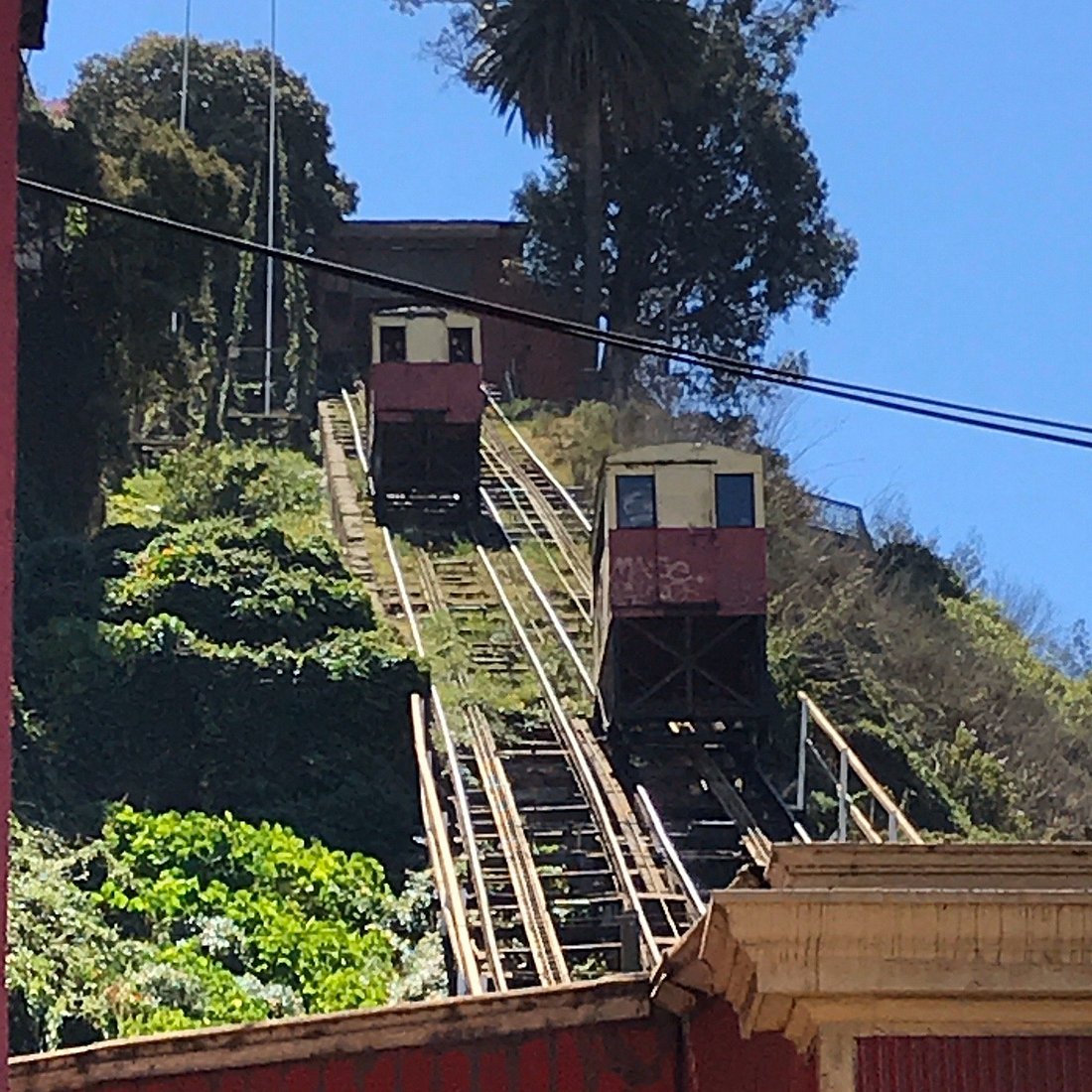
The Pontificia Universidad Católica de Valparaíso (PUCV) is spearheading a strategic plan to revitalize Valparaíso’s iconic funicular system, blending its heritage value with modern, efficient management. Funded by the Regional Fund for Productivity and Development (FRPD), the project seeks to optimize tourist connectivity and ensure the long-term sustainability of these historic elevators.
The study, led by the PUCV School of Architecture and Design, will span 24 months. The initiative incorporates advanced monitoring technology—using cameras and specialized software—to analyze daily ridership, while also implementing improvements to the pedestrian routes connecting the upper stations.
A Management Model for Heritage
PUCV Rector Nelson Vásquez highlighted the project's ability to integrate history with the current needs of urban transport. "This study allows us to address what has been called industrial archaeology—that is, combining layout, technology, location, and functionality," Vásquez stated.
Meanwhile, Valparaíso Mayor Camila Nieto emphasized that the municipality is acting as a collaborative partner in the process. "It is essential for us that our own community and our own region are the ones driving the social evaluation processes and defining the governance model," the mayor noted.
Francisco Romero, head of the Regional Government's Infrastructure and Transport division, praised the institutional coordination between the state, academia, and the public. The plan integrates the active participation of the Funicular Users' Association, ensuring that the voices of daily commuters are considered in the final design.
Project director Lorena Herrera explained that the assessment covers 15 public funiculars: nine under regional administration and six under municipal control. Herrera underscored that the value of these elevators transcends their mechanical function. "Given their unique nature, combining their role as a means of transport with invaluable heritage status, these funiculars possess attributes that make them one-of-a-kind," the academic explained.
The project goes beyond technical aspects, including the installation of new signage and the design of informative tourist routes. The central goal is for the restoration of the funiculars to drive local economic development, positioning them as essential pillars of mobility in a city defined by its complex geography.