Nine Years Post-Quebec Attack, Canadian Leaders Warn of Resurgent Islamophobia Fueling Political Divides
As Canada marks the anniversary of the deadly 2017 Quebec City mosque shooting, national Muslim advocacy groups signal a troubling return to the political weaponization of anti-Muslim rhetoric. Data shows a sharp rise in reported hate crimes, challenging federal efforts to curb extremism.
Nine Years Post-Quebec Attack, Canadian Leaders Warn of Resurgent Islamophobia Fueling Political Divides
Publicidad
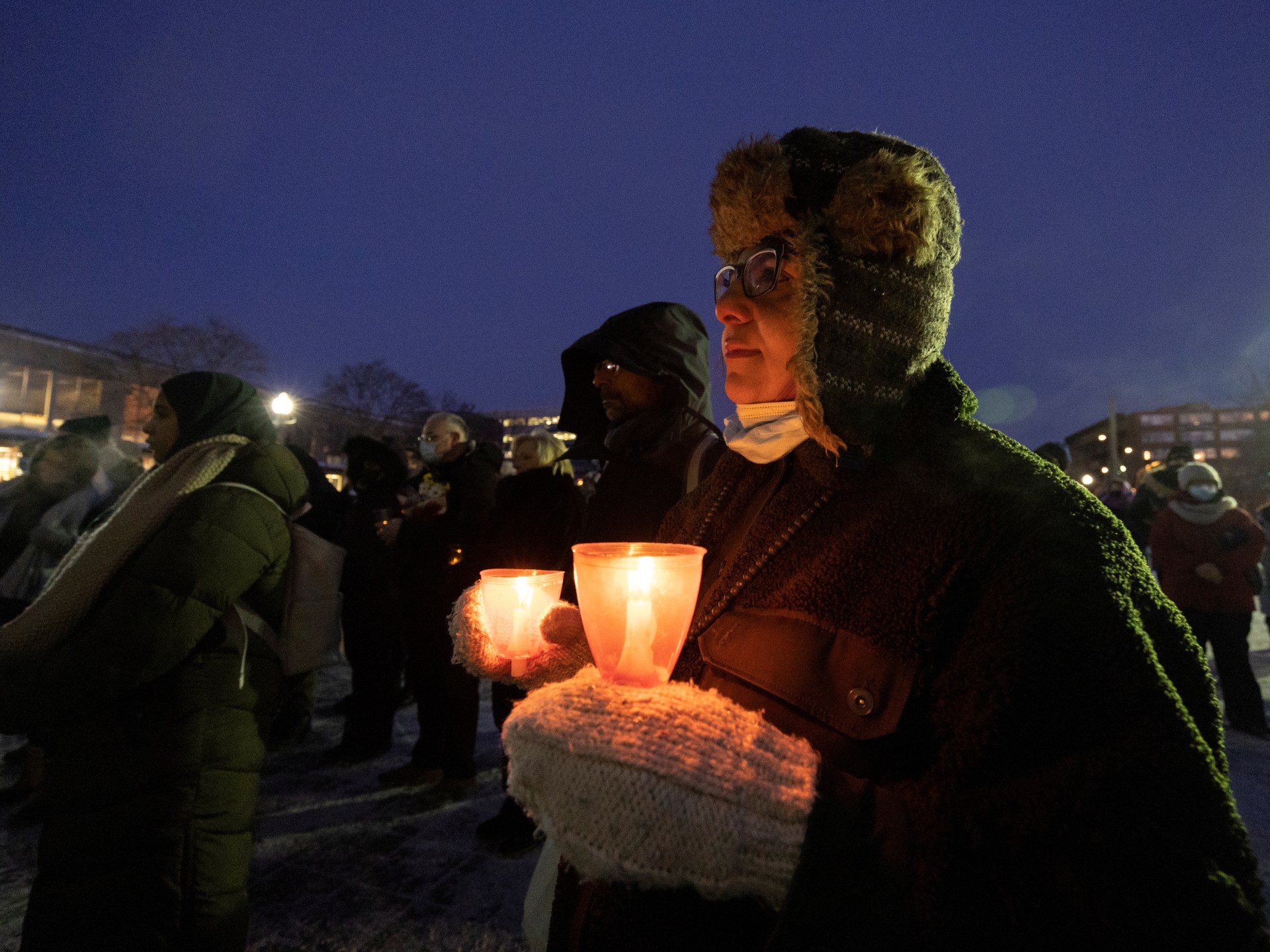
MONTREAL – With the ninth anniversary of the 2017 Quebec City mosque attack approaching, Canadian Muslim leadership is issuing stark warnings that the lessons learned from the deadliest assault on a house of worship in the nation’s history are fading, replaced by institutionalized religious antagonism.The January 29, 2017, attack, which claimed the lives of six Muslim men, prompted national mourning and federal assurances to combat Islamophobia. However, advocates argue that recent legislative actions, particularly in the province of Quebec, signal a dangerous regression.Stephen Brown, CEO of the National Council of Canadian Muslims (NCCM), stated that the anniversary serves as a critical reminder that “Islamophobia in Canada is not benign. It’s something that unfortunately kills people.” He noted a significant shift from the immediate post-attack societal desire for reconciliation to what he describes as “a massive return to using Islamophobia and spreading fear of Muslims for political gain.”The focus of this concern centers on the policies of Quebec’s Coalition Avenir Québec (CAQ) government. Since taking power in 2018, the CAQ has pursued a distinct model of state secularism, most notably through Bill 21, which bans religious symbols for many public servants. More recently, the government introduced Bill 9, extending these prohibitions to daycares and private schools, while also restricting religiously mandated meal options (like kosher or halal) and collective prayer in public institutions.While provincial Minister Jean-Francois Roberge maintains these rules apply universally, rights organizations contend the measures disproportionately target religious minorities, especially Muslim women. The Canadian Civil Liberties Association (CCLA), which is challenging Bill 21 before the Supreme Court of Canada, asserts that Bill 9 “masks discrimination as secularism.”Brown contends that such official measures validate extremist sentiment, giving “licence to those who already hold a lot of these Islamophobic views or hateful views to actually take it out on people.”This political climate coincides with worrying national statistics. According to Statistics Canada, police-reported anti-Muslim hate crimes surged by 102 percent in 2023 compared to the previous year, reaching 211 incidents, before rising slightly again in 2024 to 229.Amira Elghawaby, Canada’s special representative on combating Islamophobia, acknowledged the federal government’s ongoing efforts, including an Action Plan on Combating Hate launched in 2024. Nevertheless, she confirmed that discrimination remains pervasive in workplaces and schools, underscoring that Canada struggles with “division, with polarisation, with the rise of extremist narratives.”Elghawaby stressed that remembering the Quebec City tragedy is essential to prevent recurrence. “History can sadly repeat itself if we don’t learn from the lessons of the past,” she concluded.Source: Adapted from reporting by Al Jazeera.