MINNEAPOLIS – A significant economic disruption swept across Minnesota this Friday as tens of thousands of residents engaged in a coordinated ‘Day of Truth & Freedom’ protest, effectively implementing a localized economic blackout. The unprecedented action, characterized by a ‘no work, no school, no shopping’ mandate, directly challenged the recent surge in operations by Immigration and Customs Enforcement (ICE) within the state.
The mobilization follows the fatal shooting of an unarmed woman, Renee Good, by a federal immigration officer earlier this month, which served as a catalyst for widespread civil disobedience. Organizers, including major labor unions and clergy, have issued explicit demands: the complete withdrawal of ICE from Minnesota, accountability for the officer involved in the shooting, an end to supplemental federal funding for the agency, and a comprehensive investigation into alleged constitutional and human rights violations by ICE.
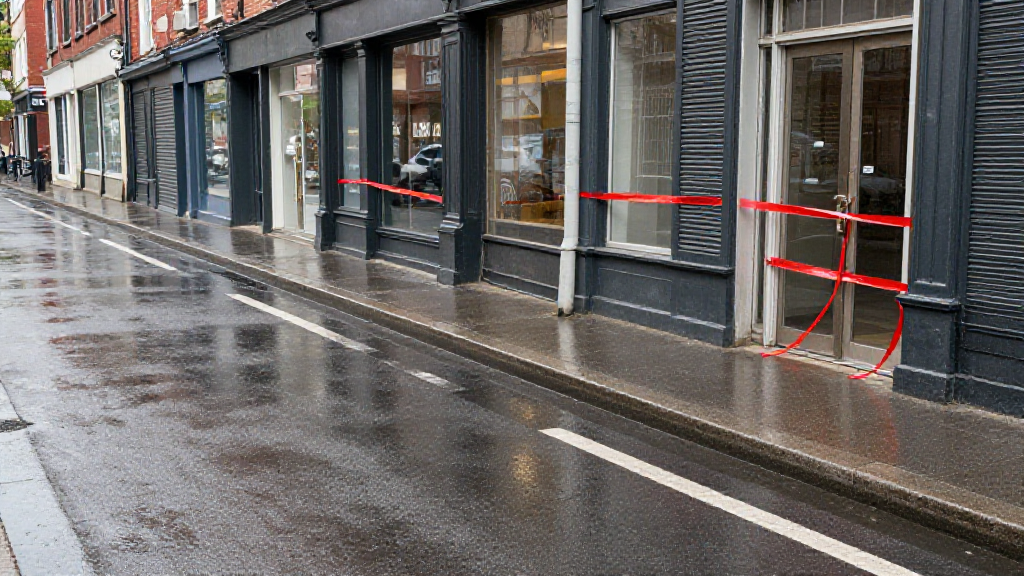
The scope of the solidarity was extensive. Hundreds of local Minnesota businesses reportedly closed their doors, while thousands of workers took the day off. Key cultural institutions, including the Walker Art Center and the Science Museum of Minnesota, announced closures. The Minneapolis City Council formally endorsed the general strike, signaling significant local government buy-in.
Actions spanned the state, culminating in a massive rally at the Target Center downtown, despite sub-zero temperatures reaching as low as -10°F. A notable protest occurred at the Minneapolis-St. Paul International Airport, where hundreds of clergy members demonstrated against the daily deportation flights utilizing the facility. Approximately 100 clergy members were subsequently arrested during the day’s actions.
Labor organizations were central to coordinating the shutdown. The Minnesota AFL-CIO, representing over 1,000 local unions, backed the action. Kieran Knutson, President of CWA Local 7250, noted the protest stemmed from a perceived vacuum of state-level response to federal enforcement actions. “The government in the state of Minnesota has not offered any path towards stopping these attacks, this violence,” Knutson stated.
The higher education sector also saw participation, with graduate worker unions at the University of Minnesota calling for a system-wide shutdown. Union leaders cited the arrests of international students earlier this year as evidence that the university must take a firmer stance against federal enforcement actions targeting its community members.
In response to the escalating tensions, the Department of Homeland Security (DHS) claimed responsibility for approximately 3,000 arrests in Minnesota over the preceding six weeks, bolstered by the deployment of 3,000 immigration officers and 1,500 U.S. Army soldiers placed on standby. A DHS spokesperson dismissed the protest, framing the targeted individuals as “public safety threats,” despite data indicating that undocumented immigrants without criminal records constitute the largest segment of the detained population nationwide, which is currently at record levels.
This event highlights a growing friction point between state and municipal authorities and federal enforcement agencies, raising significant questions about jurisdictional boundaries and the economic cost of sustained immigration enforcement operations in key regional economies. The coordinated solidarity action underscores the depth of community resistance to current federal immigration policy implementation.
Source attribution: Adapted from reporting originally published by The Guardian.