The Aquatic Rescue Squadron successfully evacuated 13 individuals from dangerous waters off the coast of Mazatlán on Tuesday morning. Authorities confirmed that strong ground swell waves and rip currents swept the bathers away from the shoreline into deeper water. This incident highlights the ongoing safety challenges facing Mexico's popular Pacific resort destinations during seasonal weather shifts.
Officials utilized specialized wetsuits and rescue equipment to bring the victims back to solid ground safely. Paramedics provided immediate first aid to all individuals involved before they were released from the scene. The operation required significant coordination between local emergency teams and beach patrol units along the Sinaloa coast.
Among the rescued group were four minors and one woman who were caught unexpectedly by the powerful ocean currents. Medical reports indicate that none of the survivors required hospitalization following the ordeal. All individuals presented with fatigue and minor alterations to their physical state due to exhaustion.
Gustavo Espinoza Bastidas, director of the Aquatic Rescue Squadron, addressed the situation in a press statement released to the public. According to El Universal, he emphasized that the victims were alert enough to be treated on the beach. He noted that the primary goal was rapid extraction to prevent drowning risks in the turbulent sea conditions.
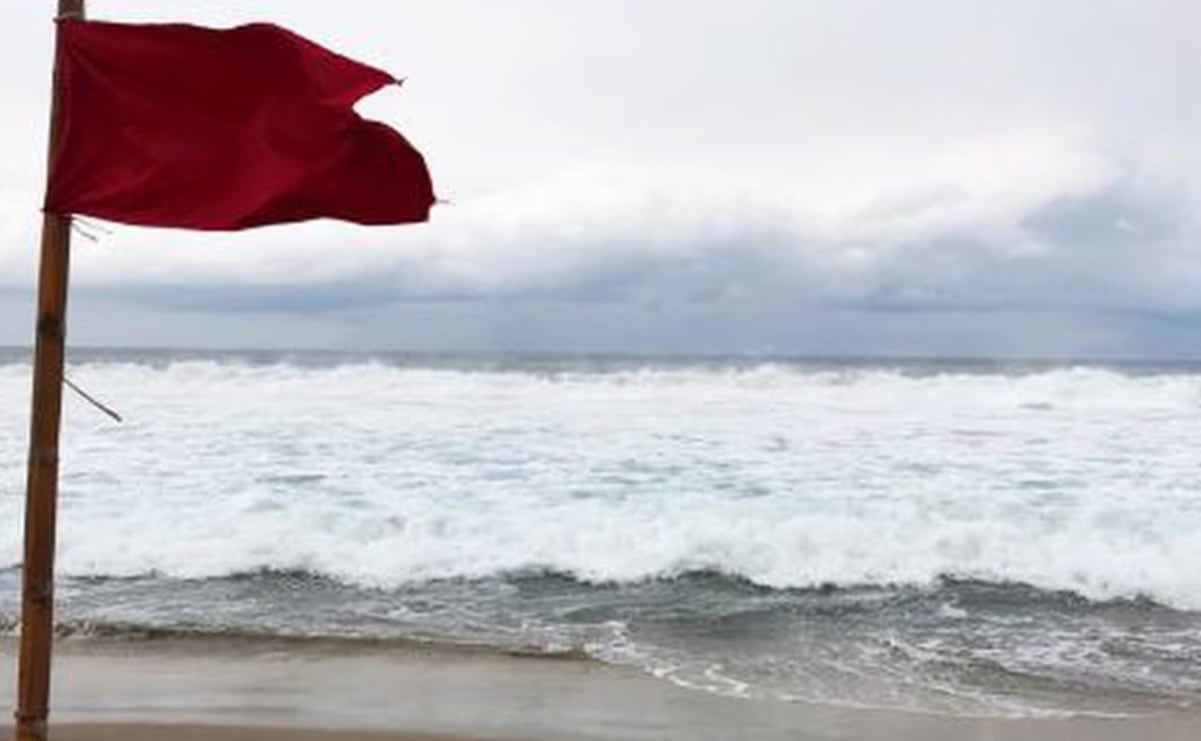
Safety protocols now include placing warning banners on the beaches to inform visitors about the hazardous water conditions. Tourists are being directed to identify specific colored flags that indicate the current level of danger at each location. This educational initiative aims to reduce accidents before they occur rather than relying solely on rescue operations.
The increase in national and domestic tourists at the port has intensified the need for stricter safety monitoring and public awareness campaigns across the city. Tourism revenue is a critical component of the regional economy, making visitor safety a priority for local stakeholders and government officials alike. Any disruption to the flow of visitors could impact the financial stability of businesses relying heavily on seasonal travel during these months.
Ground swell phenomena generate intense wave patterns that differ significantly from standard daily ocean conditions along the Pacific coast. These natural occurrences create unpredictable rip currents that can pull swimmers out to sea faster than they can swim against the flow. Environmental agencies monitor these patterns closely to issue timely advisories for coastal communities involved in tourism and local commerce.
Service providers and fishermen are advised to consult port captaincy reports to avoid accidents in the high-risk zones near the shoreline. Compliance with these safety guidelines helps maintain the reputation of the destination among international travelers who prioritize security. Future developments in coastal management will likely focus on integrating better warning systems for extreme weather events across the region.
The incident underscores the vulnerability of Mexico's coastal infrastructure to natural forces during peak travel seasons and high occupancy periods. Economic planners must balance the desire for open access with the necessity of protecting public safety resources and maintaining operational efficiency. Continued investment in rescue capabilities remains essential for sustaining a robust tourism sector in the region and ensuring long-term viability.
Officials plan to monitor the situation closely as the weather patterns continue to evolve throughout the week. Visitors are encouraged to remain vigilant and adhere to all posted regulations while enjoying the local beaches. The broader implication involves maintaining trust in Mexico's ability to manage public safety alongside economic growth.