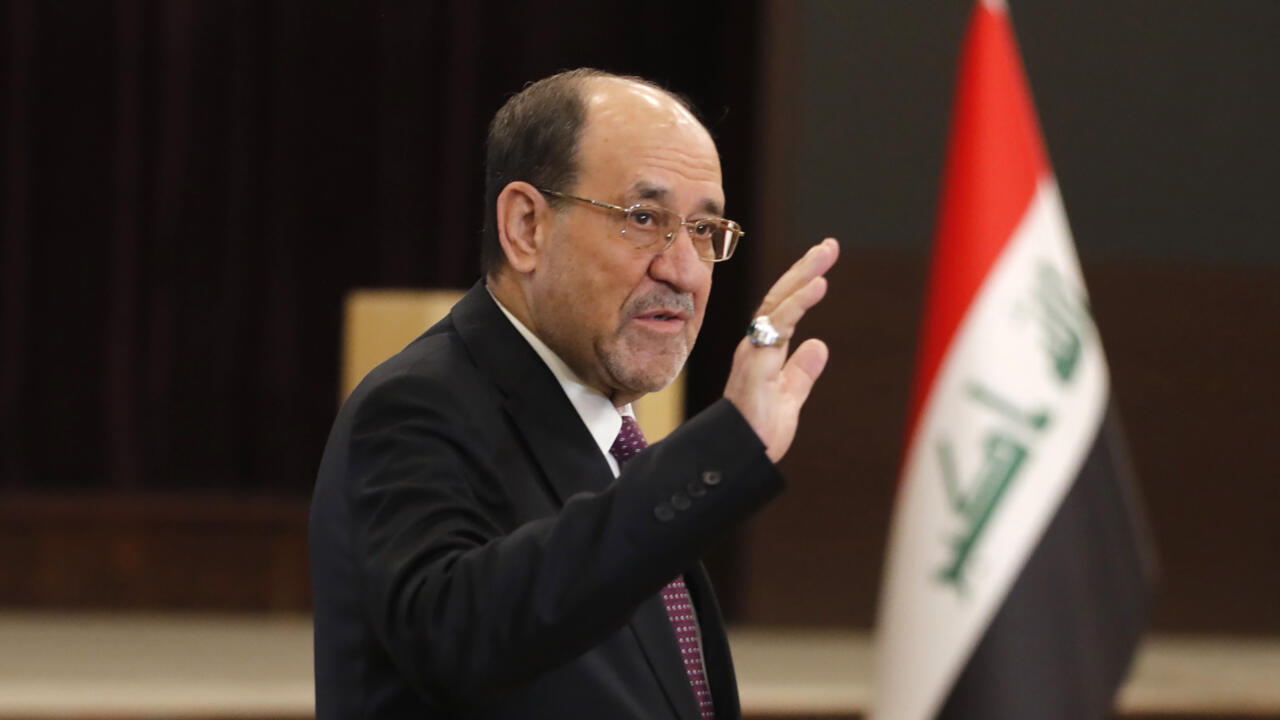
Nouri al-Maliki, Iraq's leading candidate for prime minister, publicly rejected what he termed "blatant American interference" on Wednesday, reacting to a threat issued by US President Donald Trump. Trump warned that the United States would terminate all bilateral support should Maliki, a powerful Shiite leader, secure the premiership. This confrontation highlights the persistent geopolitical tug-of-war between Washington and Tehran within Iraqi domestic politics since the 2003 invasion.
Maliki, who previously served two terms as premier between 2006 and 2014, stated on the social platform X that the US position violates Iraq's post-invasion democratic framework. His endorsement comes from the Coordination Framework, an alliance of Shiite political groups maintaining varying degrees of ties to Iran. The US has historically viewed Maliki with suspicion due to his perceived alignment with Tehran during his earlier tenure.
In response to Trump's ultimatum, hundreds gathered near the US embassy in Baghdad to demonstrate support for Maliki, according to reports from the scene. The US has long exercised significant sway over Iraqi policy, often demanding that Baghdad restrict the activities of Iran-backed factions designated as terrorist organizations by Washington. The incoming Iraqi premier faces the immediate challenge of balancing these external pressures while addressing domestic economic stagnation.
Trump had asserted on Tuesday that selecting Maliki would be a "very bad choice" due to his "insane policies and ideologies," threatening to withdraw American assistance. This warning follows similar concerns voiced by Secretary of State Marco Rubio to outgoing Prime Minister Mohammed Shia al-Sudani. Sudani’s bloc confirmed that prime ministerial selection is an "Iraqi affair" but stressed the necessity of balanced, respectful relations with the US.
Political sources indicated that the Coordination Framework is due to convene shortly to deliberate on the implications of Trump’s statement. Despite internal nuances regarding Maliki’s candidacy, sources close to the coalition suggested a majority vote supports proceeding, with backers pushing not to yield to external pressure. However, Iraq’s reliance on US financial mechanisms, including access to US dollars, presents a tangible risk if punitive measures are enacted.
Political analyst Renad Mansour noted that Iraq is currently navigating a precarious moment, where renewed stability is threatened by the potential for US sanctions or military action against pro-Iran groups. Baghdad must address Washington’s ongoing demand for the disarmament of these factions while simultaneously attempting to secure economic growth, which is insufficient following years of conflict.