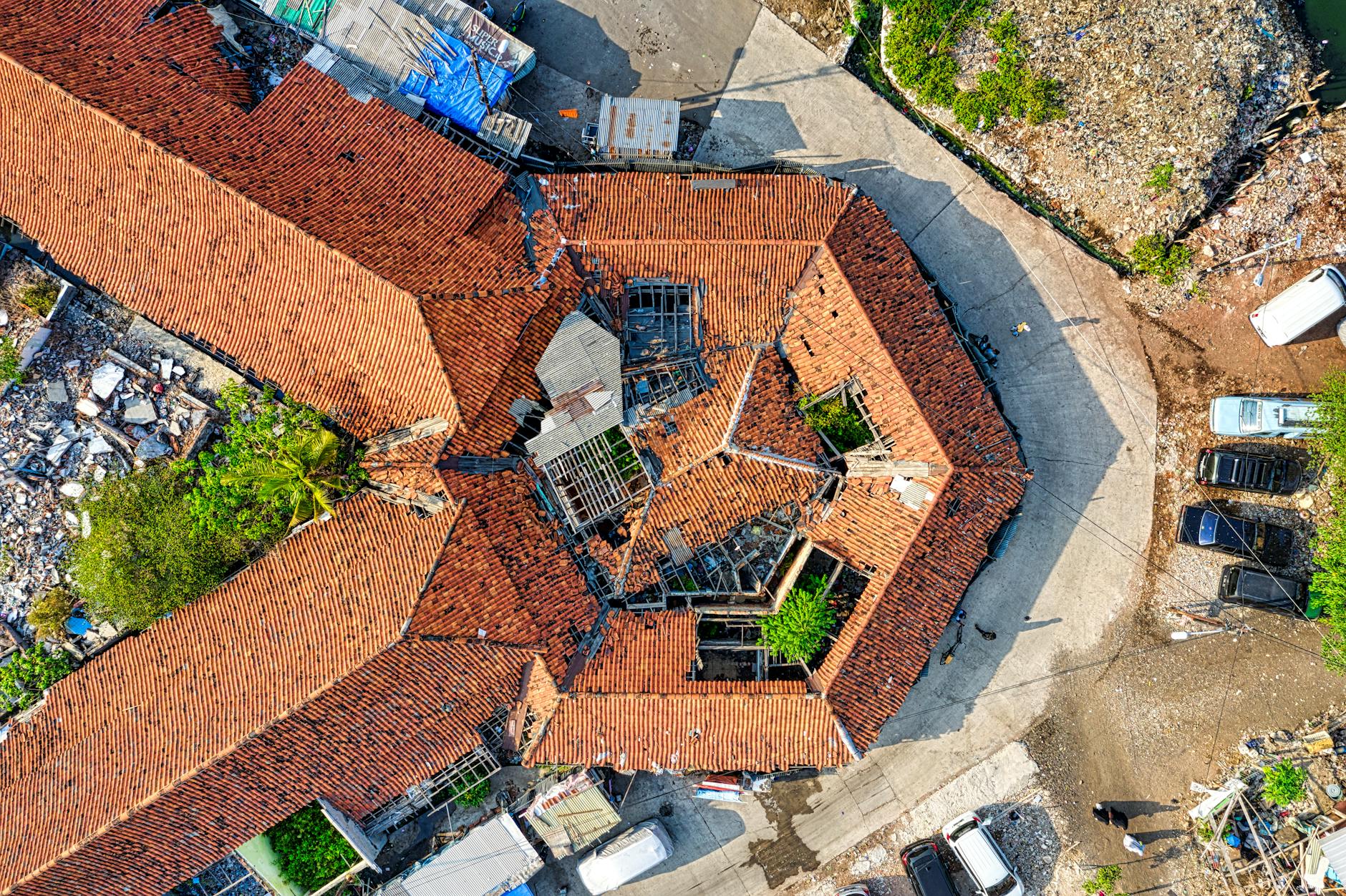
A 7.4-magnitude earthquake struck the Molucca Sea off Indonesia's Ternate island early Thursday at 06:48 local time. The tremor, occurring at a depth of 35km, resulted in at least one death and caused widespread panic across the region. Authorities in North Sulawesi confirmed a 70-year-old woman died after building debris collapsed on her, according to the national news agency Antara.
Tsunami Alerts and Regional Response
The Hawaii-based Pacific Tsunami Warning Center initially issued warnings for coasts in Japan, Malaysia, Papua New Guinea, the Philippines, Taiwan, and Guam. The center noted that waves under 0.3m were possible, though the alert was lifted after two hours. This rapid response reflects the heightened vigilance of regional monitoring systems in the Pacific Ring of Fire.
In the city of Bitung, residents reported chaotic scenes as power outages hit several stores during the shaking. Many parents rushed to evacuate children from schools located near the coastline to avoid potential surges. Local witnesses described the event as one of the most powerful tremors felt in several years.
"The situation there was chaotic... The teachers immediately told parents to bring their children home," said resident Yayuk Oktiani to the BBC.
Infrastructure Damage and Emergency Efforts
Search and rescue teams in Manado documented significant structural damage at a local sports complex. Footage showed metallic structures bent out of shape and heavy furniture displaced by the force of the quake. At Siloam Hospital in Manado, medical staff established makeshift treatment areas in vehicles and open spaces to evacuate patients safely.
Residents in Ternate reported that walls vibrated for over a minute, leading many to flee their homes in panic. Budi Nurgianto told the AFP news agency that some neighbors left their houses mid-shower due to the intensity of the shaking. These accounts highlight the suddenness of the event in volcanic regions like North Maluku.
Seismic Context and Economic Risks
Indonesia sits atop several tectonic plates, making it one of the most seismically active countries globally. While the region is accustomed to tremors, a 7.4-magnitude event represents a significant energy release that can disrupt local supply chains and infrastructure. This event follows a pattern of high-intensity activity that necessitates constant investment in disaster mitigation.
The national geological agency reported injuries and building damage approximately one hour after the initial shock. Two aftershocks, measuring 5.5 and 5.2 magnitude, followed the primary quake. Such aftershocks often pose additional risks to structures already weakened by the first tremor.
Authorities continue to monitor the Molucca Sea for further activity while emergency crews assess the full extent of the damage. Future stability in the region will depend on the frequency of these aftershocks and the effectiveness of local evacuation protocols. Investors and regional planners remain attentive to the resilience of infrastructure in these high-risk zones.