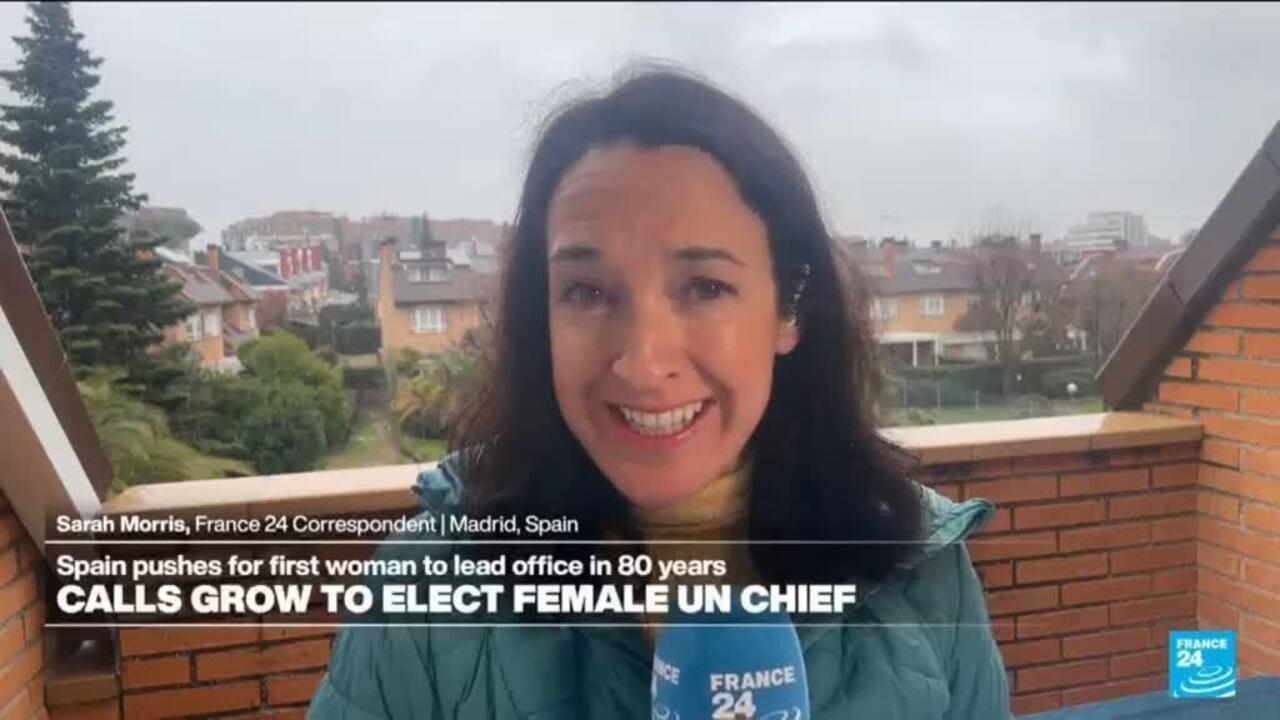
The international diplomatic machinery is beginning to churn for the selection of the next United Nations Secretary-General, with incumbent Antonio Guterres nearing the end of his tenure. Amidst this critical transition, political momentum is building in Europe, specifically in Madrid, where a coalition of female politicians has formally rallied behind the imperative of installing the UN’s first female leader.
This initiative is more than a symbolic gesture; it represents a direct challenge to the established, male-dominated governance structure of the world’s foremost multilateral body. Since its founding in the post-war era of 1946, the position of Secretary-General—a role that commands significant agenda-setting power in global diplomacy and crisis management—has exclusively been held by men.
The gathering in Madrid, involving approximately one hundred female political figures, explicitly linked the institutional barrier to progress on gender equality globally. Proponents argue that the absence of female representation at the apex of UN decision-making inherently limits the scope and efficacy of global strategies aimed at combating issues disproportionately affecting women.
Geopolitically, the selection process is opaque and heavily influenced by the five permanent members of the Security Council (P5). Historically, this process has prioritized candidates acceptable to the major powers, often sidelining meritocratic or diversity considerations unless they align with geopolitical consensus. The current campaign aims to inject a powerful, non-negotiable demand for gender balance into these high-stakes negotiations.
For international institutions, the optics of leadership succession carry considerable weight regarding legitimacy and relevance in the 21st century. A failure to appoint a woman now, following years of increasing public discourse on institutional reform, could be interpreted as a significant setback for multilateralism and commitments to the Sustainable Development Goals (SDGs), particularly SDG 5 on gender equality.
While the formal process is still developing, the Spanish-led push signals a coordinated effort by regional blocs and civil society to leverage the succession window. This early mobilization suggests that gender parity will be a persistent, non-trivial factor influencing the vetting and selection of candidates in the coming months.
This development underscores a broader global trend where powerful member states and advocacy groups are demanding concrete structural changes, not just thematic policy shifts, from foundational international organizations. The outcome of this succession battle will serve as a key barometer for the future trajectory of institutional reform within the UN system. (Source: Based on reporting from FRANCE 24)