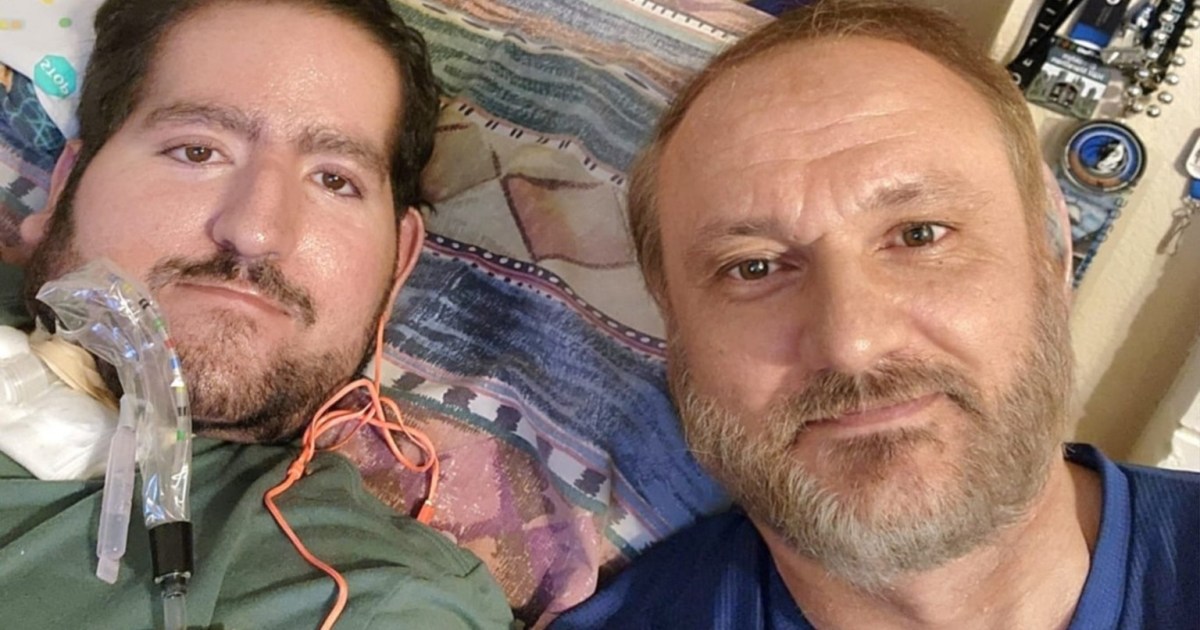
Maher Tarabishi, a Jordanian national detained by U.S. Immigration and Customs Enforcement (ICE), was formally denied release to attend the funeral of his son, Wael, in Arlington, Texas, despite having provided decades of caregiving support. Wael, thirty years old, succumbed to Pompe disease, a rare genetic condition requiring constant medical attention that Maher previously administered.
Tarabishi had lived in the U.S. under a long-standing supervision order, allowing him to remain for caregiving purposes, even after a 2006 removal order existed. However, during a routine annual check-in last October, ICE agents took him into custody as part of escalating enforcement actions, according to reports by Al Jazeera.
Family members stated that Wael’s physical and psychological condition deteriorated significantly during the months of separation from his primary caregiver. Shahd Arnaout, Wael’s sister-in-law, reported that the family required Maher’s remote guidance via video calls for critical medical procedures, underscoring the severity of the medical dependency.
Legal efforts to secure Tarabishi’s temporary release for both Wael’s final moments and the subsequent funeral proceedings were ultimately unsuccessful. Lawyer Ali Elhorr detailed bureaucratic redirection before being informed that a director had vetoed supervised release for the burial, suggesting a decision originating from higher operational levels.
ICE officials previously characterized Tarabishi to NBC News as a “criminal alien” and a self-admitted member of the Palestine Liberation Organization (PLO), claims his legal counsel vehemently denies, citing zero involvement and noting the PLO maintains a waiver for diplomatic presence in the U.S.
The family is currently pursuing legal avenues to reopen Tarabishi’s immigration case, alleging initial paperwork was filed by an individual who fraudulently posed as an attorney. This ongoing legal challenge seeks to overturn the original removal order under which Tarabishi has resided since 1994.
Human rights organizations, including the Texas chapter of the Council on American-Islamic Relations (CAIR), criticized the decision as lacking compassion, equating the treatment of Tarabishi, who has no known criminal history, to that of a hardened felon. The incident draws attention to the intersection of immigration policy and acute medical necessity.