A Dangerous Escalation
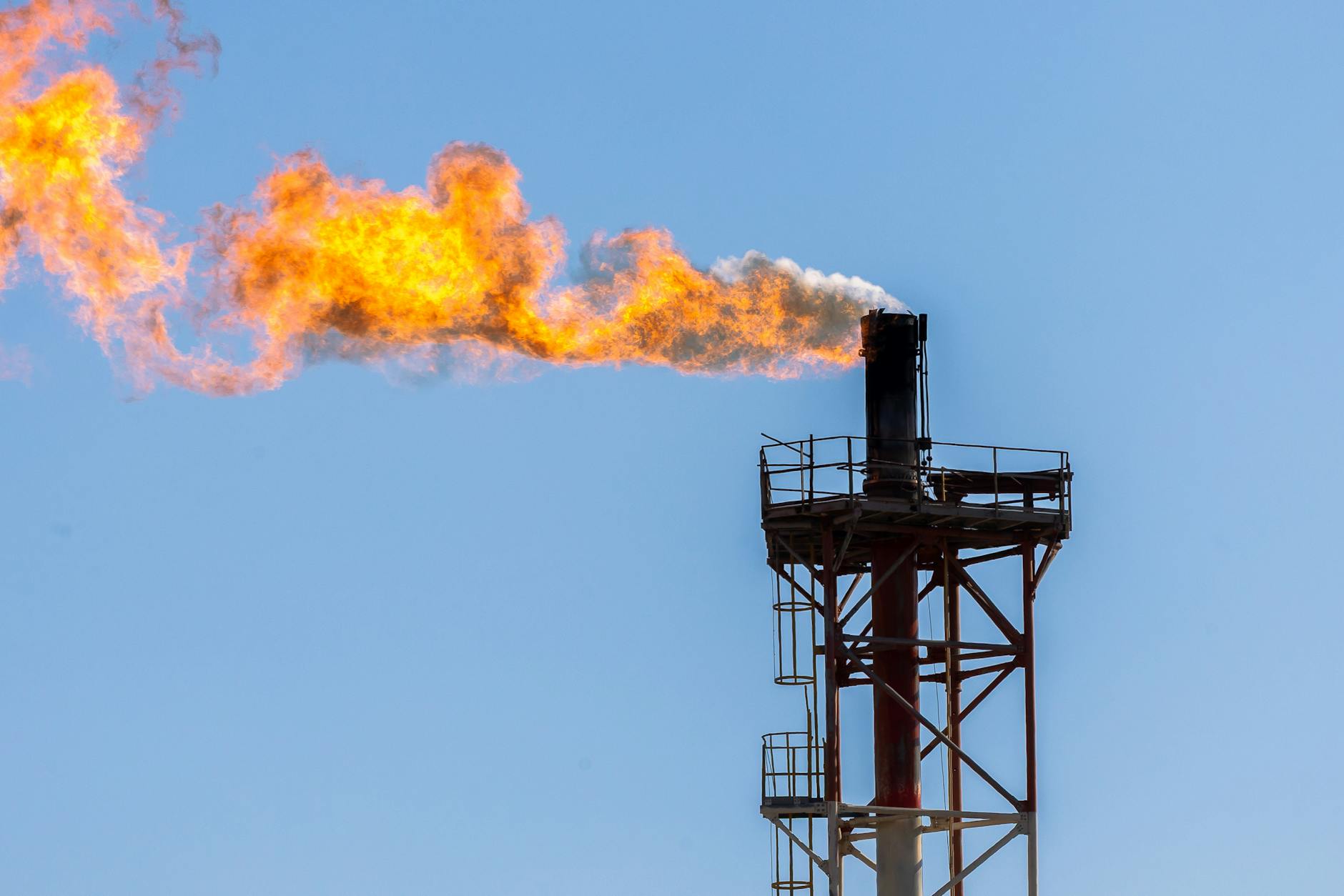
Regional tensions reached a boiling point overnight as Israeli forces conducted a series of airstrikes targeting Iranian infrastructure linked to the South Pars gas field. Recognized as the largest natural gas field in the world, the facility is the cornerstone of Iran’s domestic energy grid. The strike has been widely characterized as a significant escalation in the ongoing conflict between Israel and Iran, drawing immediate condemnation from Gulf nations.
Officials in Oman have labeled the strike a “dangerous escalation,” while the United Arab Emirates has warned that the move poses a direct threat to global energy security. Reports from the Wall Street Journal indicate that even U.S. leadership, including President Donald Trump, has expressed opposition to further targeting of Iranian energy infrastructure, fearing the potential for a catastrophic disruption to global supply chains.
The Strategic Importance of South Pars
South Pars is a massive 9,700-square-kilometer gas reservoir shared by Iran and Qatar, with the Qatari side known as the North Dome. For Iran, the field is an existential asset; according to the International Energy Agency (IEA), approximately 80 percent of Iran’s electricity is generated from gas, the vast majority of which is extracted from South Pars.
Beyond domestic consumption, the field is a vital lifeline for neighboring countries. Iraq, for instance, relies on Iranian gas to meet up to 40 percent of its power needs. Following the Israeli strike, reports confirm that these exports have ceased as Tehran maneuvers to divert remaining gas supplies for domestic use, leaving Baghdad facing an immediate energy crisis.
Retaliation and Regional Instability
Iran’s response to the attack has been swift and aggressive. Iranian state media has identified energy facilities in Saudi Arabia, the United Arab Emirates, and Qatar as “direct and legitimate targets” for retaliation. The impact is already being felt: Qatar has reported extensive damage to its Ras Laffan energy hub, and Saudi Arabia has confirmed intercepting missile and drone strikes aimed at Riyadh and critical gas infrastructure.
These hostilities have effectively locked down the Strait of Hormuz, a critical chokepoint through which approximately 20 percent of the world’s global oil supply passes. Hundreds of vessels remain stranded as the region descends into a broader energy conflict.
The Limits of Alternative Logistics
As the Strait of Hormuz remains effectively closed, the global market is scrambling for alternatives. However, geographic realities make this transition difficult. Gulf nations hold nearly half of the world’s crude oil reserves and 40 percent of its natural gas, but transporting these resources without access to the Strait is a logistical nightmare.
Neil Quilliam, an analyst at Chatham House, notes that while some nations like Saudi Arabia are attempting to reroute oil via pipelines to the Red Sea, these measures are costly, limited in scale, and insufficient to stabilize global prices. “It’s such a locked-in space,” Quilliam noted, highlighting that the current infrastructure is not equipped to circumvent a total blockade of the Persian Gulf. As the conflict continues to evolve, the global economy faces a period of unprecedented uncertainty regarding energy security.