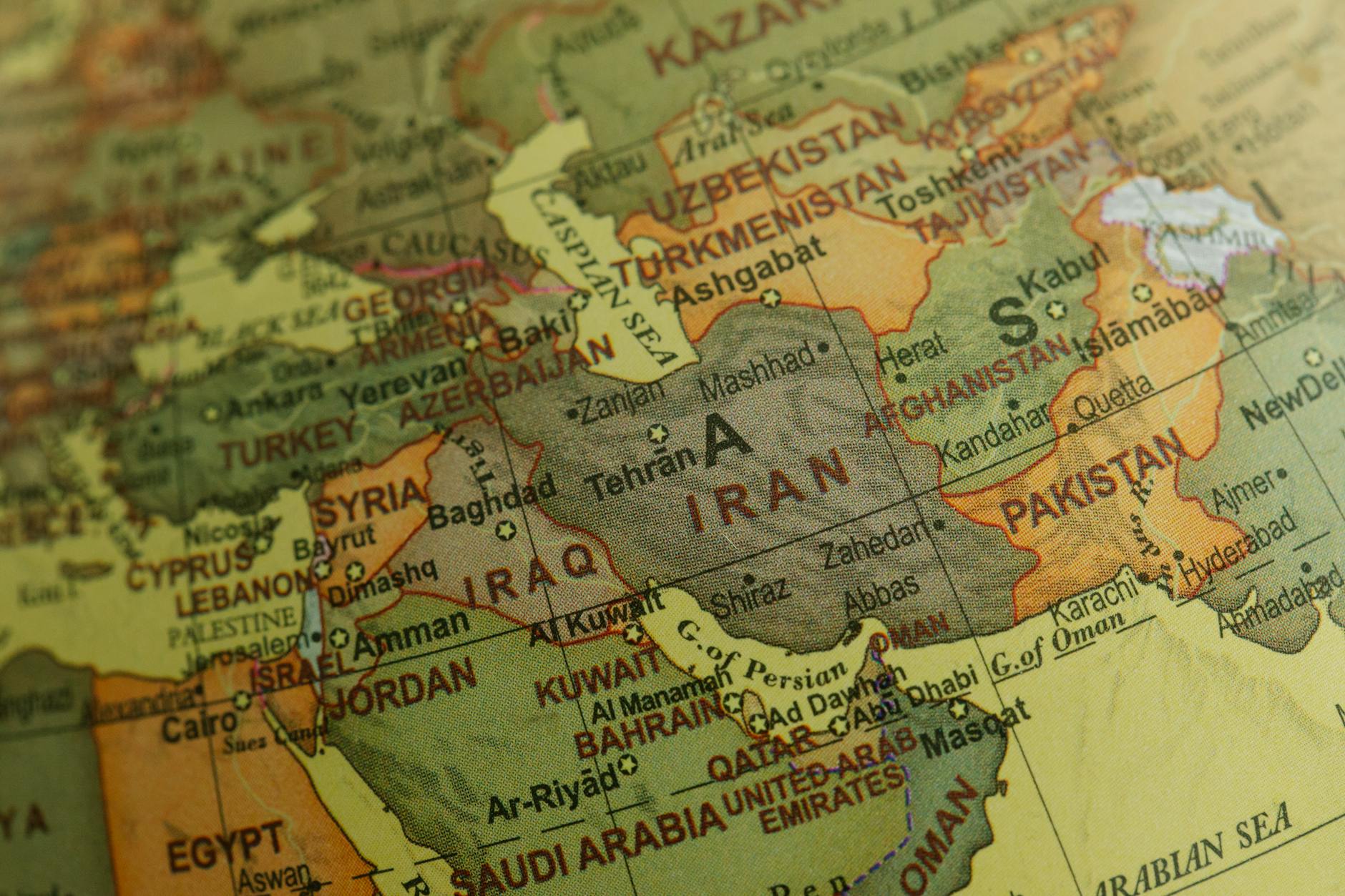
A New Strategic Calculus in the Middle East
Recent discussions among regional analysts have turned toward the complex web of defense alliances in the Middle East, with a Saudi researcher recently positing that Riyadh could look toward Pakistan to bolster its security posture. The discourse centers on the concept of a 'nuclear umbrella'—a security guarantee wherein a nuclear-armed state provides deterrence protection to a non-nuclear ally.
While official diplomatic channels between Riyadh and Islamabad have long emphasized economic cooperation and traditional military training, the suggestion that this partnership could extend into the nuclear realm represents a significant shift in how regional security experts are viewing the balance of power. The researcher’s comments, as reported by MM News, highlight the growing anxiety surrounding Iran’s nuclear program and the perceived need for a countervailing force in the Gulf.
The Pakistan-Saudi Defense Connection
Pakistan and Saudi Arabia have historically maintained a robust military relationship. Over the decades, Islamabad has provided personnel for training and security assistance to the Kingdom. However, the prospect of this relationship evolving into a formal nuclear security arrangement is a sensitive topic that touches upon international non-proliferation treaties and regional stability.
Observers note that such a proposal serves as a pointed warning to Tehran. By highlighting the potential for a 'nuclear umbrella,' the Saudi perspective aims to signal that any aggressive maneuvers by Iran could be met with a response backed by the weight of a nuclear-armed partner. This strategy is seen as a way to project strength without the Kingdom necessarily pursuing its own domestic nuclear weapons program, which would likely trigger international sanctions and severe diplomatic backlash.
Regional Implications and Skepticism
Despite the strategic logic proposed by the researcher, the feasibility of such an arrangement remains a subject of intense debate. Pakistan has traditionally maintained a policy of 'strategic ambiguity' regarding its nuclear arsenal and is a signatory to various international protocols. Extending an explicit nuclear guarantee to a third party would mark a radical departure from Islamabad’s long-standing foreign policy of non-interference and regional balance.
Furthermore, analysts warn that such rhetoric could inadvertently accelerate an arms race in the Middle East. If Saudi Arabia were to formalize a defense pact that explicitly included nuclear deterrence, it could force Iran to further consolidate its own military capabilities, thereby deepening the security dilemma that has plagued the region for decades.
Looking Ahead
As of April 2026, the comments remain a reflection of the evolving strategic thinking within Saudi intellectual circles rather than official state policy. However, the fact that such a possibility is being openly discussed underscores the urgency with which Riyadh views the regional threat landscape. Whether these discussions lead to a formal strengthening of the Pakistan-Saudi defense pact or remain merely a rhetorical tool for deterrence, the message to Tehran is clear: the Kingdom is exploring every available avenue to ensure its national security in an increasingly volatile neighborhood.