Fracturing Narratives: US Domestic Discourse Intensifies Amidst Geopolitical Shifts
Recent media coverage from specialized US outlets highlights a sharp polarization in domestic political discourse, focusing intensely on cultural friction and protest movements. Analysis of these narratives reveals underlying tensions that could impact broader economic stability and international positioning.
Fracturing Narratives: US Domestic Discourse Intensifies Amidst Geopolitical Shifts
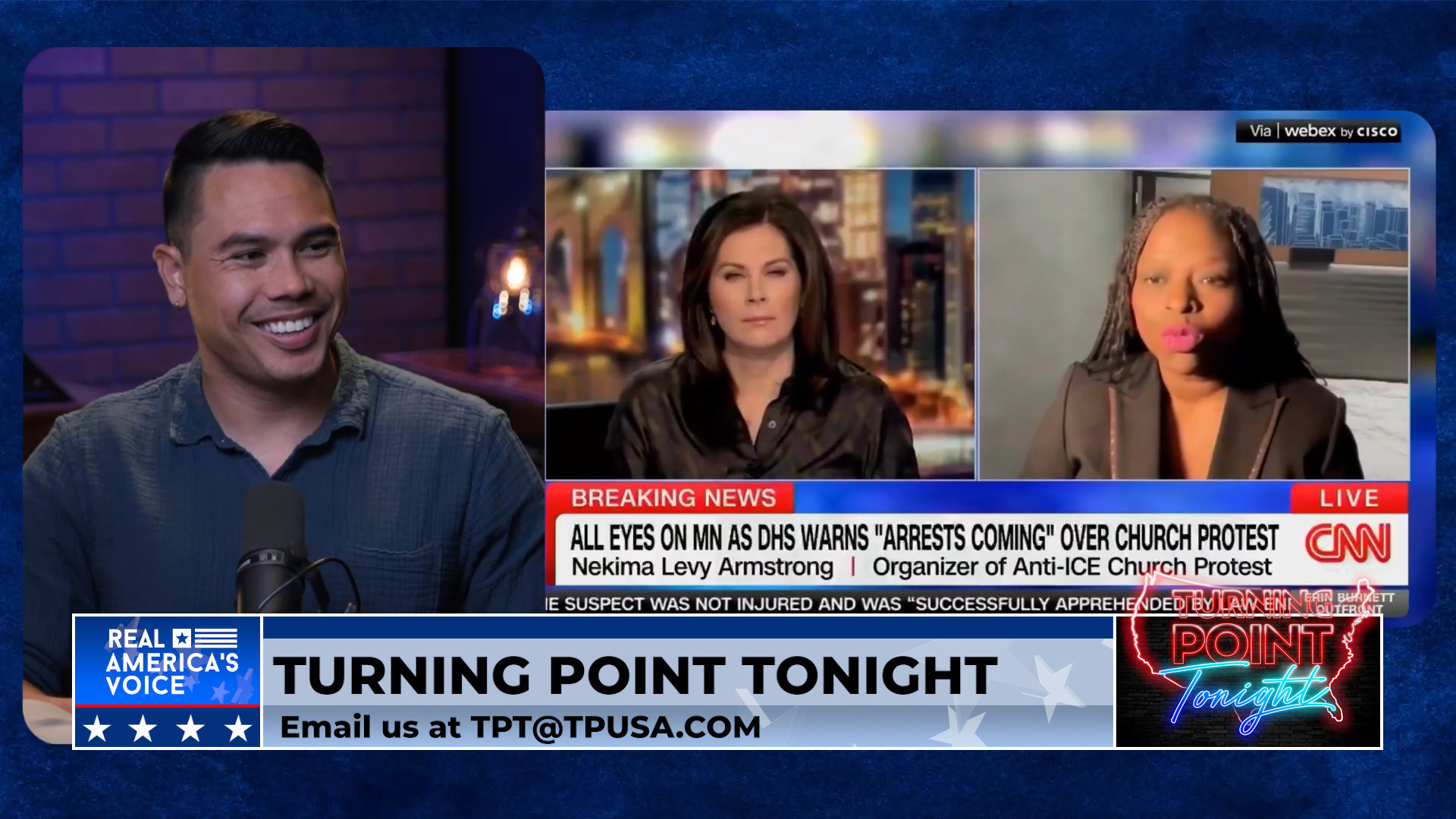
The contemporary American media landscape continues to demonstrate significant fragmentation, with specialized outlets amplifying highly specific, often emotionally charged narratives regarding domestic political engagement. A review of content originating from sources focusing on conservative viewpoints, such as Real America's Voice, highlights an environment where political disagreements are frequently framed in stark, moralistic terms.One specific segment reviewed from January 22, 2026, centered on an incident involving a political protest, which the broadcast characterized with extreme language, suggesting threats to public safety and moral order. While the specific context of the protest remains localized and highly contested within the originating source, the intensity of the presentation underscores a broader trend: the increasing securitization of political speech and assembly within the US domestic sphere.From an international economic perspective, such escalating internal friction is noteworthy. Sustained, high-intensity domestic polarization can introduce volatility into policy formulation, potentially affecting investor confidence and long-term strategic planning, particularly in areas reliant on bipartisan consensus, such as trade agreements or major infrastructure investment.Furthermore, the juxtaposition of these highly localized cultural disputes alongside coverage of national security matters—as evidenced by related programming concerning the US Space Command and defense posture—suggests a complex interplay between perceived internal threats and external geopolitical challenges. Analysts tracking US governance note that when domestic political energy is heavily invested in cultural conflict, bandwidth for proactive engagement on complex international economic negotiations may be constrained.The content reviewed, which also touches upon demographic shifts, such as reporting on Chile's declining birthrate, indicates an awareness among certain US political factions regarding global demographic and social trends, often viewed through a lens of cultural anxiety. This signals that domestic political framing is increasingly incorporating international data points to buttress internal arguments about national direction.In summary, the intense rhetoric observed in these specialized media segments is more than mere partisan noise; it reflects deeply embedded societal fault lines that professional observers must account for when assessing the operational stability and future policy trajectory of the United States on the global stage. The framing of political opponents as existential threats remains a defining characteristic of this contemporary media ecosystem.Source attribution: Content reviewed is based on video segments and associated programming metadata circulating on the Real America's Voice platform as of late January 2026.