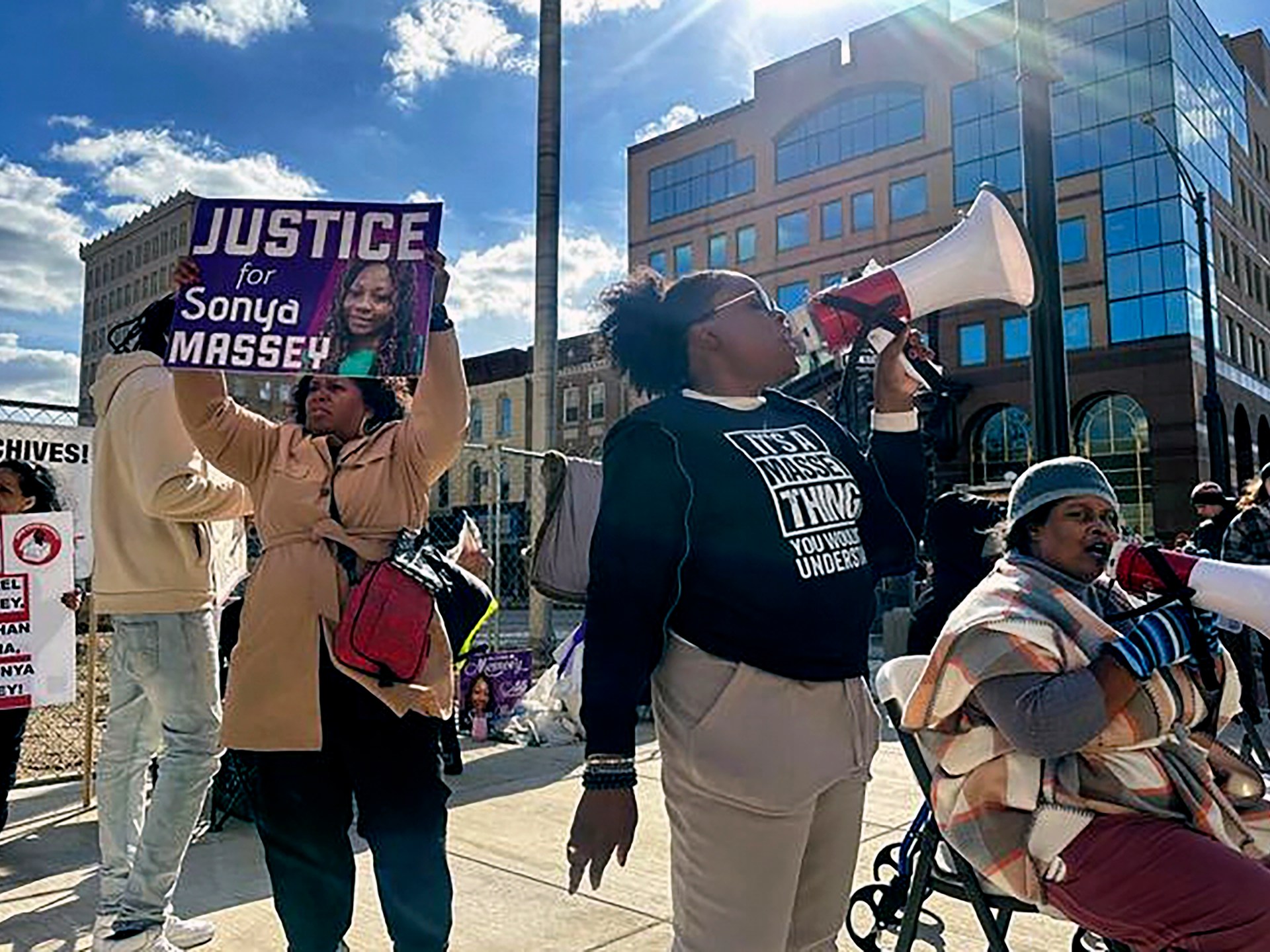
Former Illinois Sheriff’s Deputy Sean Grayson received a 20-year prison sentence on Thursday for the fatal shooting of 36-year-old Sonya Massey during a 2024 domestic call in Springfield. Grayson, 31, was convicted in October of second-degree murder after a jury determined he honestly believed he was in danger when he discharged his firearm three times. The case spurred widespread protests and initiated federal and local reviews of law enforcement protocols.
During the sentencing hearing, Grayson apologized for his actions, stating he made critical errors and froze during the encounter, according to reports. His defense counsel had argued for a six-year term, but the court imposed the maximum penalty for the conviction. Massey’s family testified that their lives were permanently altered, with her mother noting a resulting fear of contacting law enforcement.
Massey had initially called police reporting fear of a prowler outside her home, with body camera footage showing her appearing confused during the initial police interaction. The confrontation escalated after Grayson noted a boiling pot of water on the stove. Massey reportedly retrieved the pot, leading Grayson to draw his weapon after she allegedly picked it up again upon setting it down.
The initial charging involved three counts of first-degree murder, which carried a potential life sentence, but the jury returned the lesser second-degree murder verdict. This specific conviction indicated the jury accepted the defense argument regarding Grayson’s perception of imminent threat, despite the tragic outcome.
The consequences of Massey’s killing extended beyond the courtroom, prompting a United States Justice Department inquiry into local practices. Consequently, Sangamon County agreed to enhance de-escalation training for officers and improve the collection of use-of-force data.
Furthermore, the controversy prompted the retirement of the sheriff who had hired Grayson. The incident directly precipitated legislative change in Illinois, leading to the enactment of the Sonya Massey Act, which mandates comprehensive background checks for law enforcement applicants.
These systemic responses highlight the ongoing national debate concerning accountability and training standards within US policing institutions. The legal and legislative adjustments signal a tangible, albeit reactive, governmental response to high-profile incidents of police use of force.