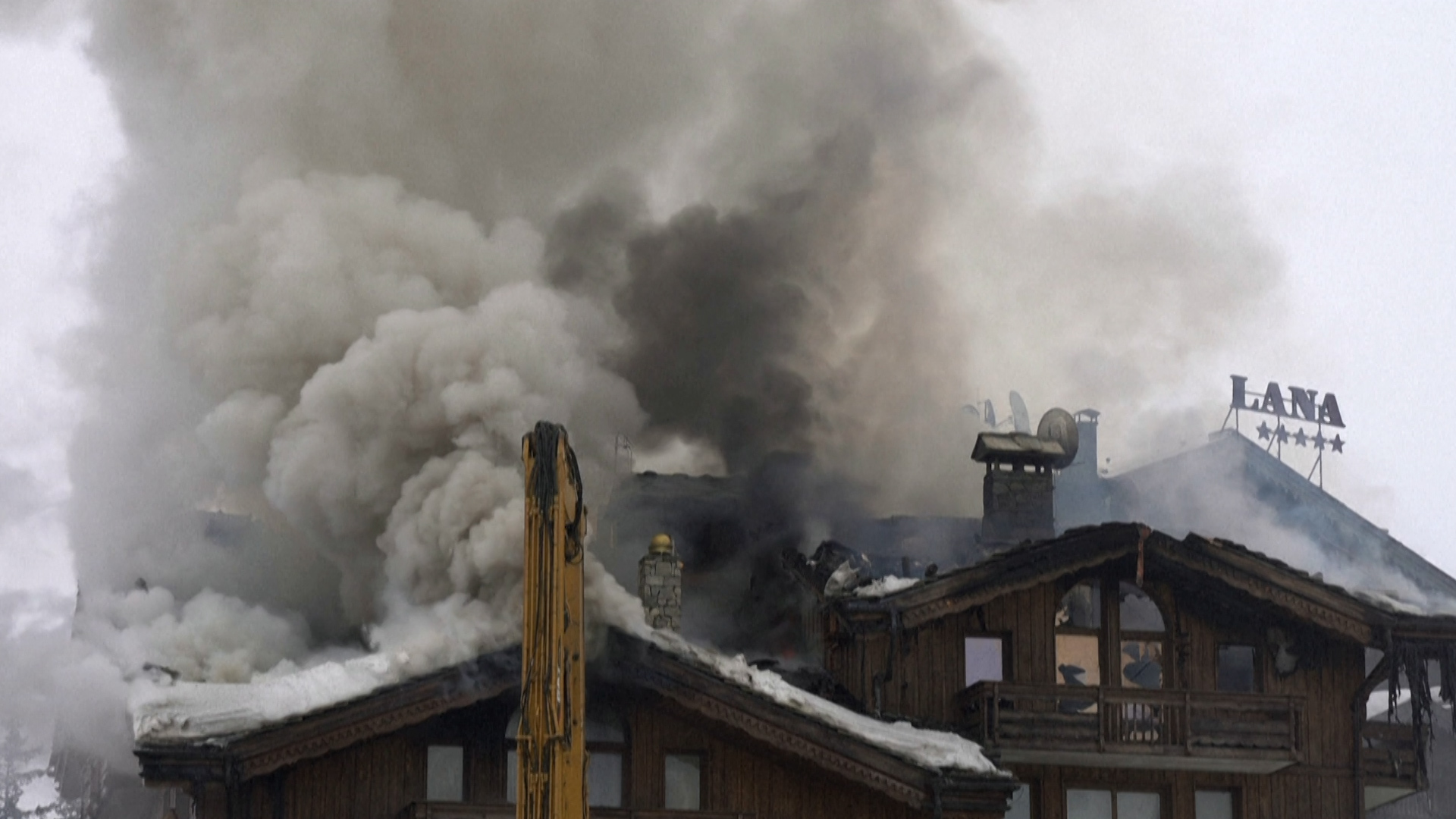
A substantial fire event engulfed parts of the prestigious Les Grandes Alpes hotel, a key fixture in the French Alpine resort of Courchevel, necessitating the emergency evacuation of approximately 300 individuals on January 28, 2026. While the primary focus remains on the immediate safety of those evacuated, the incident raises questions regarding the structural integrity and emergency preparedness of high-end tourism infrastructure.
Over 100 firefighters were deployed to combat the blaze, which reportedly spread aggressively beneath the roof structure of the five-star establishment. Major fires in luxury hospitality venues, particularly those located in remote or logistically challenging environments like the Alps, present unique challenges for rapid response teams, potentially impacting insurance liabilities and future investment confidence in the sector.
Courchevel, part of the vast Les Trois Vallées ski domain, is a locus for global wealth and high-volume international tourism. Incidents of this magnitude, even without confirmed fatalities, can temporarily disrupt regional economic activity, affecting bookings and the perception of safety for ultra-high-net-worth clientele who prioritize security alongside exclusivity.
Preliminary reports suggest the fire’s origin and exact cause are under investigation. Such events often trigger rigorous reviews of building codes, fire suppression systems, and evacuation logistics in older, yet continually modernized, luxury properties. The speed of the spread, particularly across roof voids, is a critical factor in these assessments.
From an economic standpoint, the financial fallout will involve significant business interruption claims and substantial restoration costs, potentially running into hundreds of millions of euros, given the bespoke nature and high-specification finishings typical of establishments in this tier of the European ski market.
Global risk assessors will likely monitor the subsequent regulatory response from French authorities. Any perceived laxity in enforcing safety standards could influence the operational risk premiums for similar prestige assets across the European leisure real estate sector.
This incident serves as a sharp reminder that even in established, heavily regulated markets, operational continuity in concentrated luxury hubs remains vulnerable to catastrophic physical risks, demanding continuous capital reinvestment in preventative maintenance and emergency infrastructure.