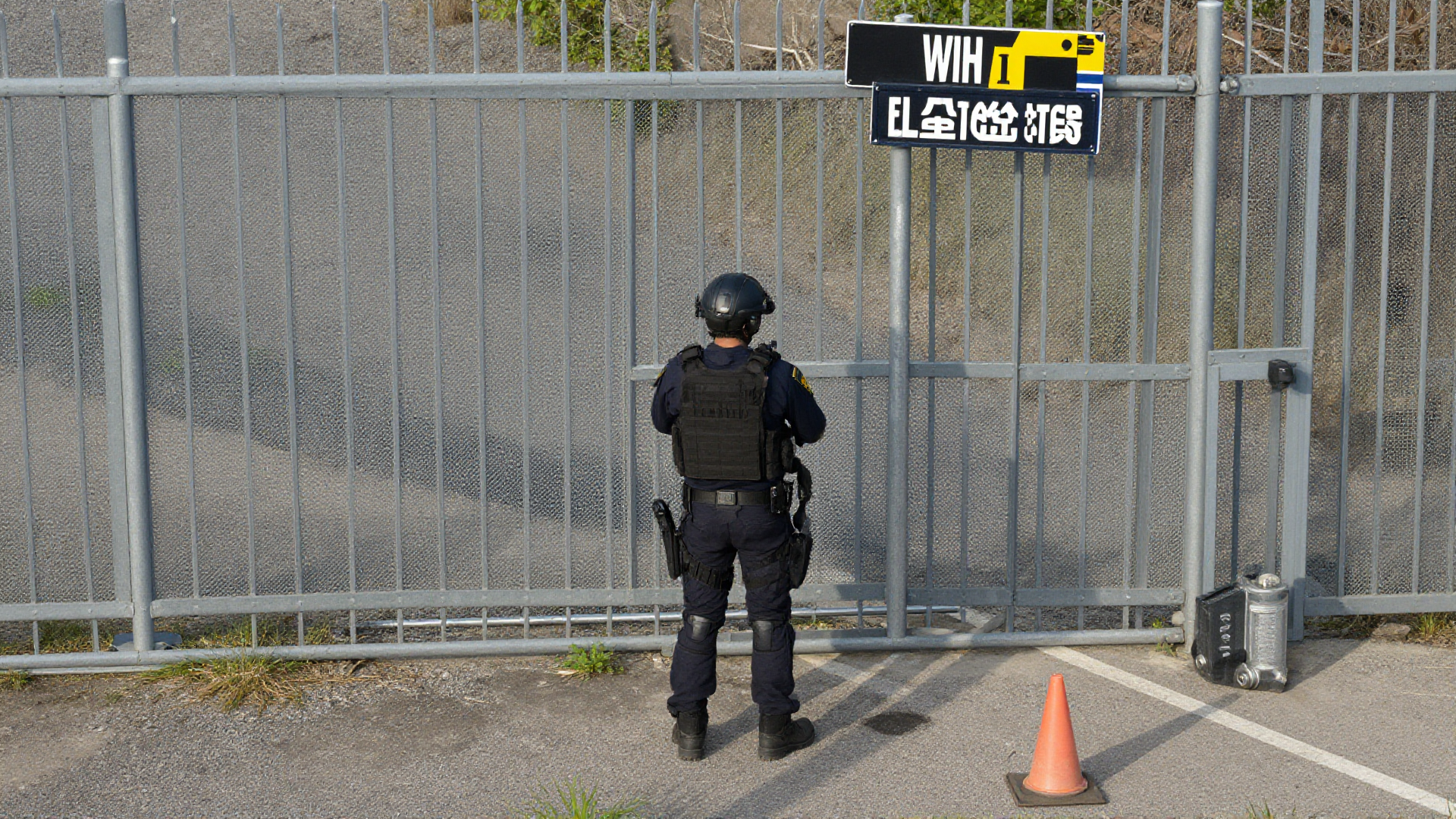
A federal judge on Saturday denied the State of Minnesota’s motion seeking to block the Trump administration's deployment of thousands of federal immigration agents in Minneapolis. District Court Judge Katherine Menendez stated that while the operation has profound consequences, state officials had not proven the surge of US Immigration and Customs Enforcement (ICE) agents was unlawful. This ruling follows nationwide protests against the fatal shootings of two US citizens by federal agents in the area.
Judge Menendez acknowledged evidence suggesting ICE and Customs and Border Protection (CBP) agents engaged in racial profiling and excessive use of force. However, the court determined that state officials provided no clear metric to distinguish lawful law enforcement actions from what they termed unlawful commandeering of local authority. State and local leaders had argued that deploying 3,000 agents violated state sovereignty.
The enforcement operation has drawn intense scrutiny following the deaths of Renee Good and Alex Pretti, both shot by federal immigration officials. The US Justice Department subsequently opened a civil rights investigation into the death of the 37-year-old nurse, Pretti. These incidents spurred nationwide demonstrations, including a 'National Shutdown' organized to protest the funding of ICE.
Federal officials maintain that Operation Metro Surge targets 'the worst of the worst criminal illegal aliens' to restore public safety. Critics, however, contend that migrants with clean records and US citizens are being erroneously detained during the campaign. Border official Tom Homan indicated a potential 'draw down' of forces if local cooperation improves, though he affirmed the mission's continuation.
Governor Tim Walz and Minneapolis Mayor Jacob Frey have publicly called for the withdrawal of the federal forces from the city. The deployment was enacted by presidential directive, with the administration citing the necessity of maintaining national security within the state. The legal challenge centered on the scope and authority under which the federal assets were operating locally.
Broader geopolitical implications arise from the tension between federal enforcement mandates and state autonomy regarding internal security matters. Such confrontations frequently test the limits of executive power versus state jurisdiction in the United States. The outcome of this litigation sets a precedent for future federal enforcement actions in non-border states.